



In a historic decision, the Constitutional Court of Colombia ratified Law 2385 of 2024, which definitively prohibits bullfights and other violent shows involving animals, such as corralejas, rejoneo, novilladas, becerradas, tientas, and cockfighting.
The unanimous ruling establishes that culture and tradition cannot justify cruelty, and orders a three-year transition period to reconvert related activities and jobs.
A collective triumph for animal welfare
Decades of activism and social awareness culminate in a law that prioritizes life over entertainment.
The ratification is a result of years of struggle by organizations, activists, and citizens who denounced animal suffering in the name of entertainment. According to Roberto Vieto, advisor at World Animal Protection, this law represents a global milestone:
“Culture can never be an excuse for cruelty. This decision sends a strong message to Latin America, Spain, and the world: it is possible to move towards a more respectful and compassionate relationship with animals.”
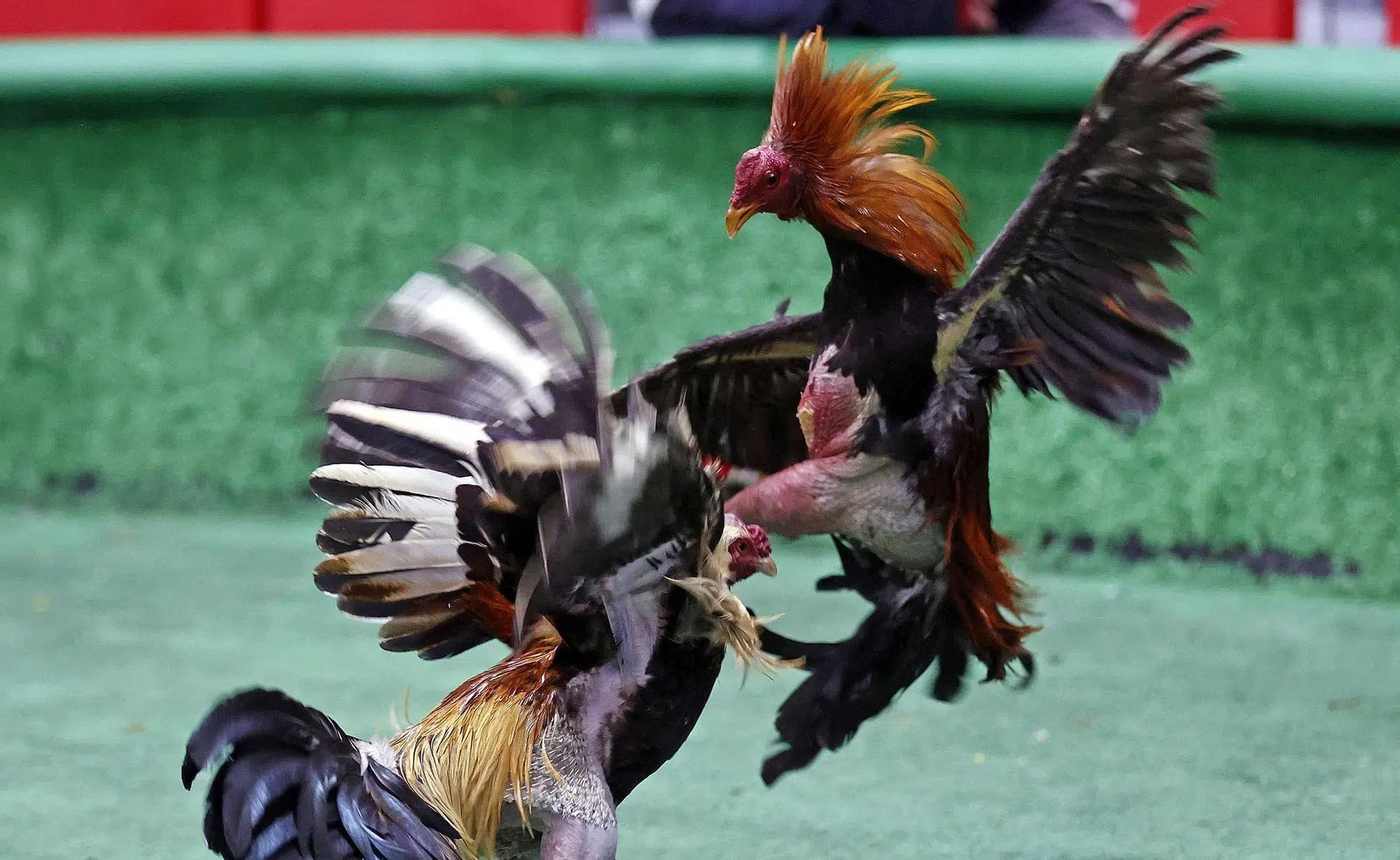 Cockfighting has been definitively banned in Colombia
Colombia joins a regional trend of prohibitions
With this law, Colombia joins a growing list of countries and cities that ban bullfighting and similar shows, establishing an international precedent that prioritizes animal welfare over violent traditions.
In Mexico, for example, five states have already banned bullfights, and in March 2025, Mexico City approved a reform that prohibits shows involving animal suffering, leading the Plaza Mexico to suspend its bullfighting events.
Other forms of animal exploitation persist in the region
Horses, donkeys, and birds continue to be used in unregulated shows.
Despite these advances, in countries like Peru and Nicaragua, cockfighting remains legal and promoted as part of the culture. Additionally, horses and donkeys are still exploited in:
- Mass rides and patron saint festivals
- Forced labor in rural areas
- Cultural shows without animal welfare criteria
These animals are sentient beings, capable of experiencing pain, fear, and exhaustion, and require effective legal protection.
Towards a compassionate future: legislation, education, and cultural transformation
The ban in Colombia shows that change is possible and necessary.
Law 2385 not only prohibits cruel practices but also paves the way for a profound cultural transformation, where respect for animal life becomes a social and legal value.
The three-year transition will allow for job and activity reconversion, promoting ethical and sustainable alternatives.


