



The Argentine Federal Justice took a new step in the case against the Uruguayan State and the company HIF Uruguay SA, linked to the project of installing a green hydrogen and synthetic fuels plant in Paysandú.
Judge Hernán S. Viri ordered the Administrative Commission of the Uruguay River (CARU) to submit studies and monitoring on water quality in the section between Termas de San José and Concepción del Uruguay.
The measure responds to a preventive judicial action filed by deputies Guillermo Michel and Marianela Marclay, along with Senator Adán Bahl, who argue that the procedures established in the Statute of the Uruguay River for binational projects must be respected.
Role of the Expert and Required Documentation
The biologist expert appointed in the case requested access to updated scientific information to prepare a technical report. The request to CARU aims to strengthen the case analysis in light of warnings about possible environmental impacts from the plant.
Michel celebrated the decision and stated that “the solution to this conflict is through the application of the law and the Uruguay River treaty,” highlighting that the case allows the issue to be discussed from a technical and legal perspective, beyond political confrontation.
Reactions and Bilateral Tensions
The project has generated diplomatic clashes between Argentine and Uruguayan authorities. From Uruguay, they assure that the initiative will meet all environmental requirements and emphasize that there is ongoing dialogue with Argentina to clear doubts.
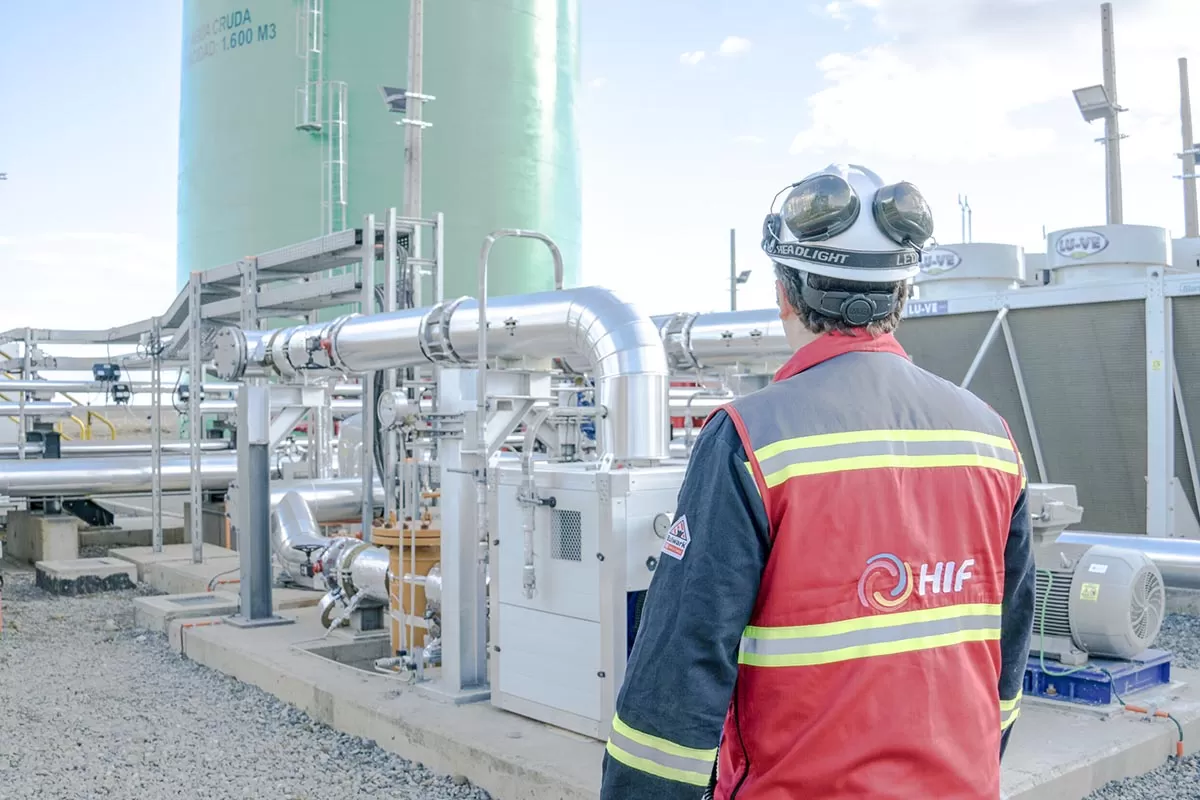
Meanwhile, HIF Global continues to negotiate with the Uruguayan government the final details of the investment. The Minister of Industry, Energy, and Mining, Fernanda Cardona, reported that the company will have until December to decide whether to proceed with the project in Paysandú.
Possible Alternatives
Cardona recalled that the initiative began in 2022 and that, after the change of administration in Uruguay, a new phase of talks was opened.
Among the alternatives is the use of existing Ancap infrastructure in Paysandú, which would imply a partial relocation of the plant. This option has already been presented to Argentine authorities in recent bilateral meetings.
Regional Implications
The case reflects the complexity of binational energy projects:
- Environmental impact: need for rigorous studies on water use and biodiversity of the Uruguay River.
- Legal framework: application of the treaty as a conflict resolution tool.
- Diplomatic relations: tensions and negotiations between both countries.
- Energy transition: the project is part of the regional strategy for decarbonization and clean energy production.
The judicial advance in Argentina marks a setback for Uruguay, which will have to respond with technical information through CARU.
The decision highlights that the transition to green hydrogen not only involves technological innovation and large investments but also complex legal, diplomatic, and environmental processes.
The outcome will depend on the ability of both countries to articulate cooperation and ensure that energy development is carried out within the frameworks of sustainability and respect for international law.



