pasos de fauna
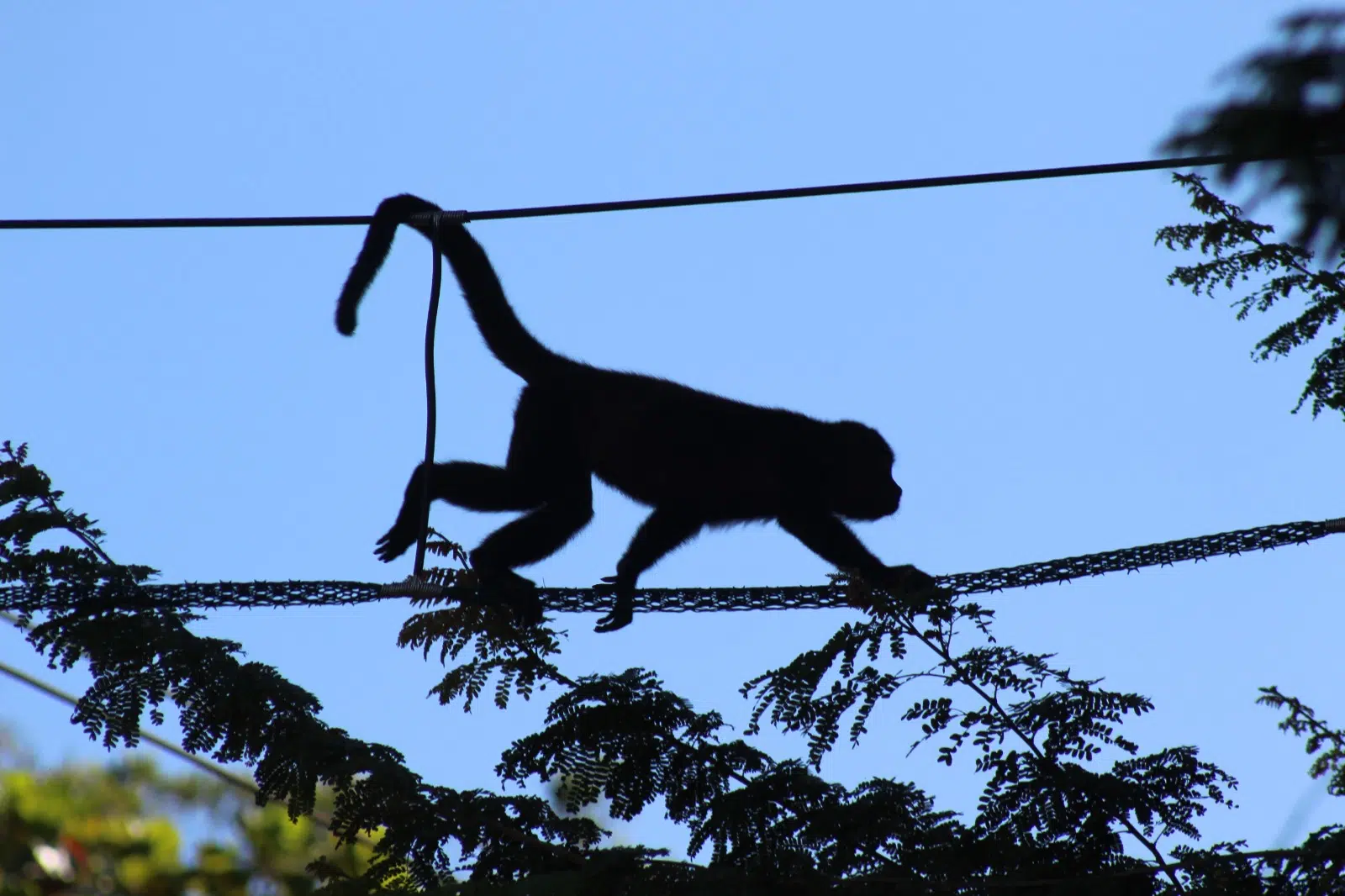
In Costa Rica, where roads cross biological corridors and protected areas, researchers from Panthera Costa Rica, with support from the IDB, set out to answer two questions: Do animals use wildlife crossings in a way comparable to how they move through the forest? Do these structures really reduce roadkill?
For six months, underpasses, canopy bridges, and nearby forest sites on national routes 1 and 160 were monitored. 36 species were recorded using the wildlife crossings, but also 74 species were hit by vehicles on both roads.
The research led to the first national monitoring and maintenance protocols, involved more than 400 people in workshops, and brought together specialists from various disciplines.
Roadkill remains a serious problem. In six months, deaths of more than 20 species of mammals, reptiles, and amphibians were documented. Route 1 had the highest number of records.
Researcher Araya warned: “The mortality and fragmentation caused by roads is surpassing many of the other impacts humans have generated on biodiversity”.
Additionally, at least 14 collisions with large animals such as tapirs, pumas, and deer were recorded, some resulting in hospitalized people and destroyed vehicles.
The study concludes that wildlife crossings facilitate movement, but their ability to reduce roadkill depends on an integrated system with exclusion fences, maintenance, and continuous monitoring.
It also suggests that the future of road infrastructure should adapt to climate change, with longer bridges, larger capacity culverts, and dry walkways to increase resilience to flooding.
In Argentina, ecoducts and wildlife crossings are vital for reconnecting fragmented ecosystems:
These structures reduce roadkill, prevent accidents, and avoid the genetic isolation of animal populations.
The study in Costa Rica shows that wildlife crossings are used by multiple species but do not yet guarantee a significant reduction in roadkill. The key is to integrate them into more comprehensive road management and conservation systems.
The Argentine experience reinforces that these measures, accompanied by monitoring and strategic planning, can become essential tools for protecting biodiversity and improving road safety.
In Nigeria, millions of people still rely on diesel generators, kerosene, or are directly without…
A team of astronomers has unveiled intriguing findings while observing the stellar system CD-35 2722,…
The coastal dunes of California not only beautify the landscape but also play a vital…
Ecuador has taken a crucial step in the conservation of the Amazon by formally establishing…
Heavy metal pollution in schools in Peru threatens the health of thousands of students. These…
Chile takes a step forward in the protection of whales, facing the challenge of increasing…

