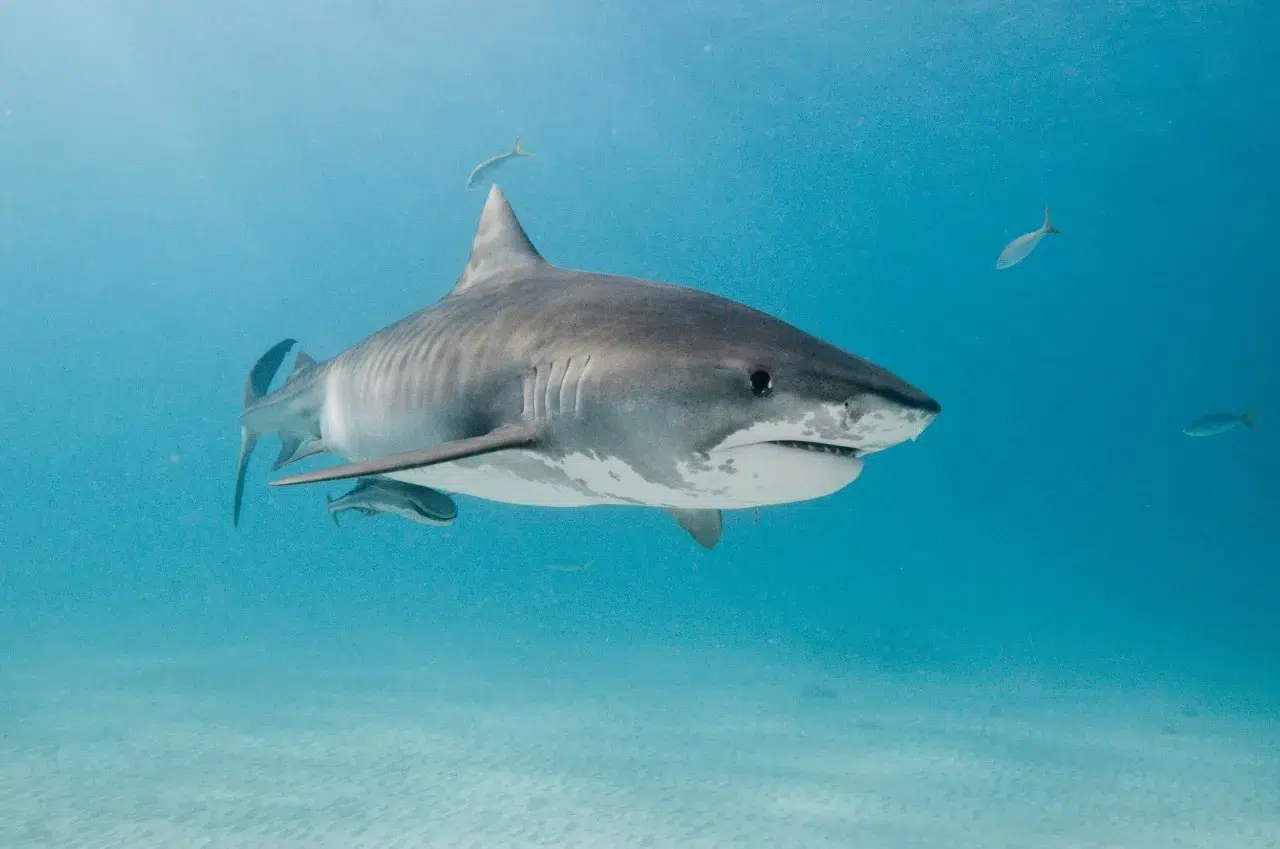
tiburones en Argentina
More than 71% of shark species inhabiting the Argentine Sea face an extremely high risk of extinction, according to data from WCS Argentina. The pressure from commercial and sport fishing has pushed numerous species to the brink of disappearance, affecting the balance of marine ecosystems.
The Argentine Sea is home to 55 species of sharks, many of them endemic. Their disappearance in the region would mean global extinction.
The causes of the decline are biological: slow growth, low fecundity, and late reproduction. For example, female gummy sharks only give birth at 8 years old, with litters of 1 to 10 pups annually, which prevents recovery in the face of fishing exploitation.
Since 2013, WCS has been promoting the program Conserving Sharks in Argentina together with the La Plata Museum of Natural Sciences and the Bernardino Rivadavia Argentine Museum.
The participation of fishermen and guides is essential. Juan Dibbern, a guide from Claromecó, highlighted: “Today there is much more information and people are more aware of how important sharks are, thanks to the work of specialists and organizations”.
The program offers training, tags, and circular hooks to promote live release. The data collected (species, sex, size, location) allows for monitoring movements and designing conservation strategies.
WCS distributed information sheets on five key species:
The sheets include identification, distribution, and threat level, and aim to promote the live release of captured specimens.
In addition to sport fishing, WCS coordinates efforts with small-scale commercial fishing and promotes national and international regulations to protect these species throughout their range. Citizen science becomes a bridge between coastal communities and scientific conservation.
The future of sharks in the Argentine Sea depends on collaboration between scientific institutions, fishermen, and environmental organizations.
The combination of monitoring, education, and citizen participation is consolidated as a key tool to prevent these species from disappearing from the waters of the region and the planet.
The Buenos Aires Government published Resolution 53/SECH/26, marking a before and after in the management…
A revolutionary breakthrough in technology has erased the barriers between air drones and submarines. A…
The company Coral Energía, part of the Corven Group, continues with the construction of two…
A sei whale about seven meters long was found alive after being stranded on the…
The Ruta Patagonia Azul stretches from Comodoro Rivadavia to Trelew, weaving together colorful cliffs, fossil…
In July 2025, the municipality of Luján closed "La Quema," considered the largest open-air dump…

