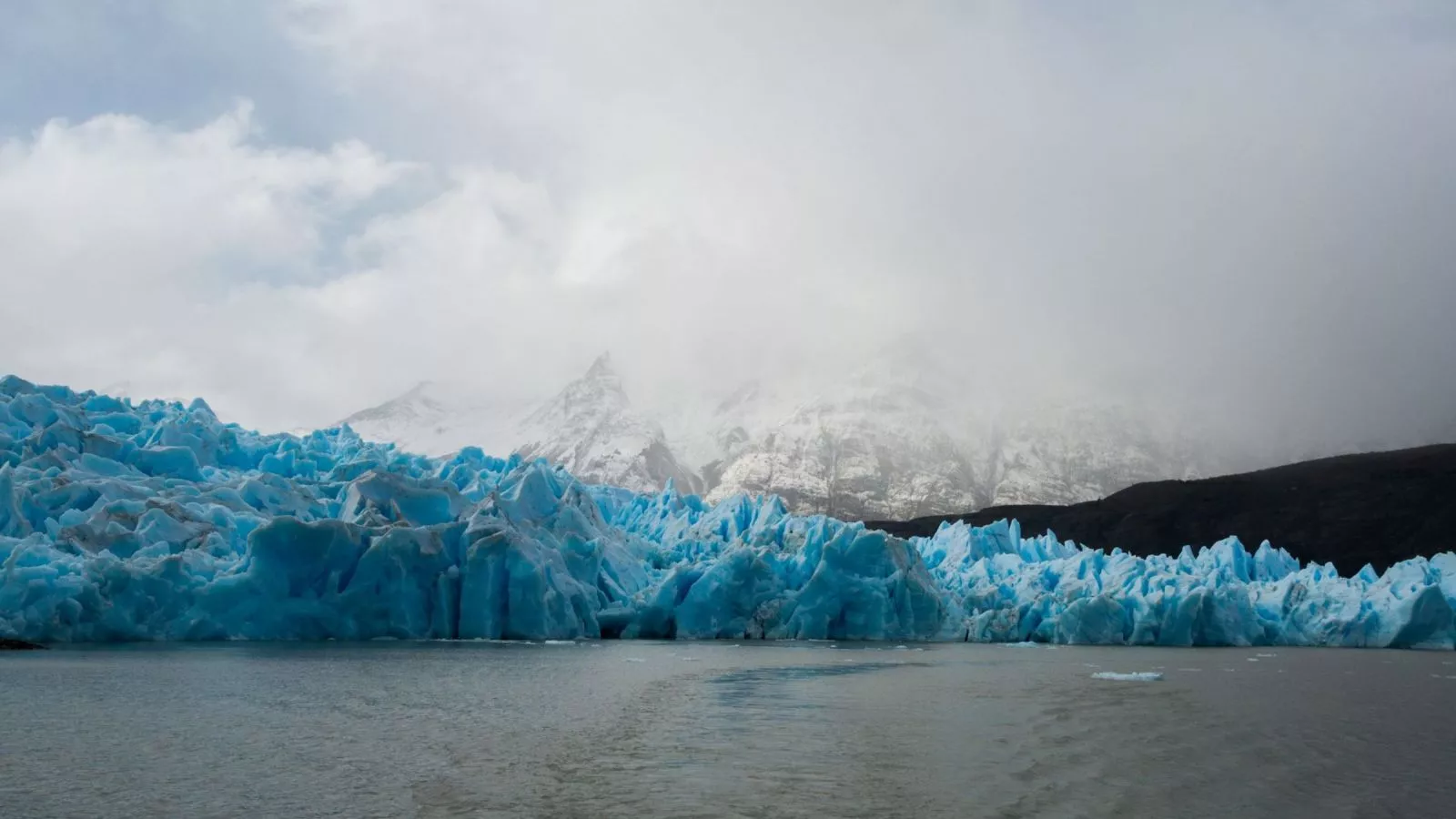
Glaciares en Chile
A study by MapBiomas Agua-Chile revealed that between 1998 and 2025 the country lost 344 thousand hectares of glaciers, equivalent to 21 times the surface of Rapa Nui. The most affected region was Ñuble, which lost 91% of its glacier surface.
Chile concentrates about 80% of the Andean glaciers, so their retreat directly impacts the availability of fresh water, especially in the context of the megadrought affecting the country.
Specialist Alexis Segovia from the University of Chile explained: “Glaciers are tremendously relevant because they provide a continuous flow of water to the basins, especially in summer and drought periods, which is when we need water the most”.
In addition to supplying water for domestic and industrial consumption, glaciers are a tourist attraction and part of the identity of mountain communities. Their retreat threatens both water security and the cultural and economic relationship with these ecosystems.
The study identified different behaviors throughout the country:
The report also detected losses in surface waters. Chile has 1,228,652 hectares of water, about 14 times the surface of Lake Llanquihue. However, since the beginning of the megadrought, almost 40 thousand hectares have been lost.
The largest concentration of water is in the south:
Valeria Castro, a member of the technical team of MapBiomas Chile, noted: “These bodies of water are sensitive indicators of drought, floods, and even land use changes. Their monitoring allows us to assess water security and detect environmental alterations early”.
The loss of glaciers and surface waters in Chile reflects the impact of the climate crisis and the megadrought on ecosystems. The retreat of these ice bodies compromises water security, biodiversity, and human activities that depend on them.
The challenge is to strengthen monitoring and conservation policies to ensure water and resilience in the face of climate change.
In 2026, deforestation in the Brazilian Amazon shows a notable decline, providing a much-anticipated relief…
United States has initiated a significant advancement in the management of radioactive waste inherited from…
Costa Rica has taken a firm step to protect its natural areas through a reform…
The release of Yaguara represents a crucial milestone for jaguars in Bolivia, especially after the…
A historical event has marked Californian biodiversity: a she-wolf has been detected in Los Angeles…
The Argentine Patagonia is on alert because more than 600 tremors have been linked to…

