



A study published in the scientific journal EcoHealth and led by researchers from CONICET reveals a concerning scenario: six species of scorpions from the genus Tityus, considered highly dangerous for public health, are expanding territorially in southern South America and could reach new regions currently free of scorpionism before the year 2070.
The research, led by Andrés Ojanguren-Affilastro (Argentine Museum of Natural Sciences Bernardino Rivadavia, CONICET) along with fellow researcher Alexis Barrios-Montivero, used predictive models based on bioclimatic and urban data, projecting the advance of these species towards areas such as southern Buenos Aires province, La Pampa, San Luis, and Mendoza, and even to countries like Chile and Uruguay.
Six key species and a concerning pattern
The analyzed species include:
- Tityus carrilloi
- Tityus confluens
- Tityus serrulatus
- Tityus bahiensis
- Tityus trivittatus
- Tityus costatus
Among them, three are facultative parthenogenetic (can reproduce without males), which increases their colonizing capacity and facilitates their urban expansion: carrilloi, confluens, and serrulatus. This evolutionary trait was crucial in the expansion of up to 300% of their original range in the last five decades.
“These species often settle in cities outside their natural habitat, taking advantage of human passive transportation and their adaptability to the urban environment,” stated Ojanguren-Affilastro.
Health projections and future distribution
According to the study, in the coming years:
- Tityus carrilloi and confluens will establish in Chile and Uruguay
- Tityus serrulatus, originally from northern Brazil, will advance towards Paraguay, Bolivia, and northeastern Argentina
- The non-parthenogenetic species will remain within their original distribution areas
Furthermore, a species overlap in urban areas is foreseen, which could increase the complexity of clinical and epidemiological management.
Health implications and control strategies
In Argentina, approximately 8,000 scorpion stings are recorded annually, with an average of two deaths per year, mainly in children. The study warns that once established, these species are almost impossible to eradicate due to their presence in sewer networks, tunnels, and urban basements.
To mitigate the risk, the authors propose:
- Including these species in phytosanitary border controls, especially in countries still free of scorpionism
- Implementing surveillance programs in suitable cities, even those already affected, to detect new arrivals
- Acquiring specific antivenoms and training healthcare personnel on emerging species
“While antivenoms show cross-reactivity, there are differences in lethality among species that require differentiated attention,” clarified Ojanguren-Affilastro.
The use of physical barriers in homes, health centers, and schools is also recommended, in addition to focused chemical controls, with strict regulation to prevent inadvertent dispersion.
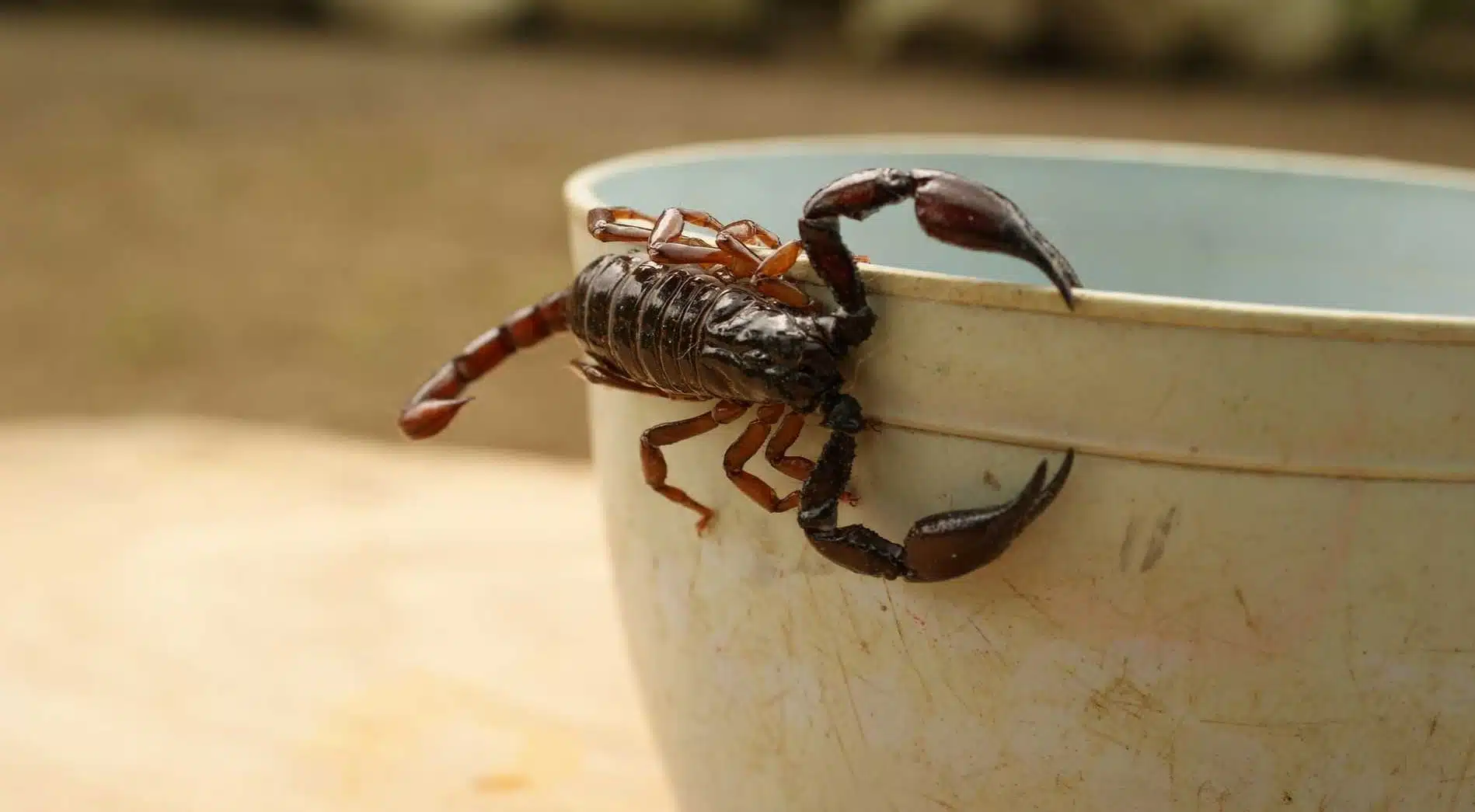 The growing number of scorpions is concerning[/caption>
Antivenom production and clinical management
The Malbrán Institute produces effective antivenom for the dangerous Tityus species present in the country. The application is subject to clinical evaluation of symptoms, as not all stings require treatment.
In the event of a sting, it is recommended to:
- Clean the affected area
- Immediately go to a healthcare center
- Bring the dead scorpion, if possible, for identification
A regional issue with continental projection
The study provides for the first time a regional perspective on South American scorpionism, going beyond local approaches and allowing to anticipate future scenarios.
“The expansion of these species requires interjurisdictional responses, health planning, and integrated environmental control strategies,” concluded Ojanguren-Affilastro.
The research also involved Argentinean researcher Pablo Ariel Martínez, from the Laboratory of Integrative Biodiversity Research at the Federal University of Sergipe, Brazil.


