



Low temperatures and less sunlight directly affect the growth of plants during winter. During this season, many species go into dormancy and their activity is reduced to a minimum. In addition, extreme cold can damage their cells, causing spots, wilting, or tissue death.
However, some species manage to develop and even bloom in the midst of adverse climatic conditions. Incorporating them into the garden or vegetable patch in winter not only beautifies the spaces but also allows optimizing resources such as water and strengthening the biodiversity of the environment.
Among the most valued varieties for the cold is the cowslip, an aromatic flower whose scent acts as a natural pest repellent for common pests like aphids and whiteflies. Due to its protective qualities, it is frequently used in agroecological gardens.
Another option is the zinnia, known for its vibrant colors and its ability to attract pollinating insects such as butterflies and bees. Although it does not repel pests, its presence enriches biodiversity and contributes to balancing the garden.

Natural allies for the garden and vegetable patch
The marigold completes the group of highly recommended plants. Not only is it decorative, but it is also known for its medicinal properties and its ability to act as a biological trap, diverting pests from other more vulnerable plants.
When sowing in winter, it is advisable to start the process indoors or in greenhouses, especially in areas where frosts are frequent. Using seed trays allows you to protect the seeds until the seedlings have between four and six true leaves, the ideal moment for transplanting.
The substrate should be kept moist, avoiding waterlogging, and the plants should receive at least four hours of sunlight daily. Supplementing with natural fertilizers strengthens their development and helps them better withstand low temperatures.
Additionally, a good practice is to place a layer of mulch or dry organic material at the base of the plants, which helps retain moisture and protect the roots from the cold. Removing damaged parts and cleaning dust from the leaves facilitates their respiration and prevents diseases.
Other ideal plants for all seasons
In addition to the cowslip, zinnia, and marigold, there are other resistant species that can be sown at any time of the year. Among them, lavender stands out, appreciated for its scent and its ability to attract pollinators, as well as its use in natural medicine.
It is also advisable to plant rosemary and thyme, perennial aromatic herbs that not only beautify the garden but also require little maintenance and withstand low temperatures well. Both can be grown in pots or directly in the ground.
Finally, succulents are ideal for their resistance to drought and adaptability to different climates. Their simple maintenance makes them a popular choice for indoors and outdoors throughout the year.
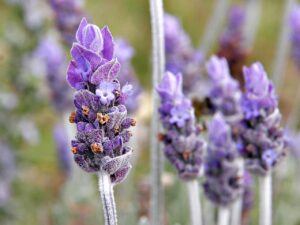 Lavender as a repellent. (Photo: Wikipedia).
The importance of sustainable garden management
Cultivating resistant plants not only beautifies spaces but also promotes sustainable practices. Maintaining a balanced garden helps reduce the use of agrochemicals and promotes the presence of beneficial insects.
Moreover, proper management of irrigation and soil helps preserve natural resources and reinforces the health of the ecosystem. Therefore, having the advice of nurseries or local specialists can be key to choosing the right species and ensuring a healthy garden throughout the year.


