



An unprecedented scientific discovery revealed the existence of more than 300 submarine canyons beneath the ice of Antarctica. This is a discovery that transforms the view on polar dynamics and the future of the oceans.
The study, published in Marine Geology, warns that this system could modify projections regarding certain aspects related to climate change, such as ocean circulation and the rise in sea level.
There are 300 submarine canyons in Antarctica: what scientists found
The survey, detailed by University of Barcelona and University College Cork, reshapes the understanding of polar processes.
The new marine atlas identified 332 submarine canyons, five times more than previously known. The work was made possible thanks to 40 international expeditions that collected high-resolution bathymetric data.
Some of these canyons reach depths of up to 4000 meters and act as true underwater highways that transport sediments, nutrients, and water masses.
According to Dr. David Amblàs from the University of Barcelona, this is “the first coherent view of these systems along the entire Antarctic margin,” with a direct relationship between the canyons and the ice dynamics in the past and present.
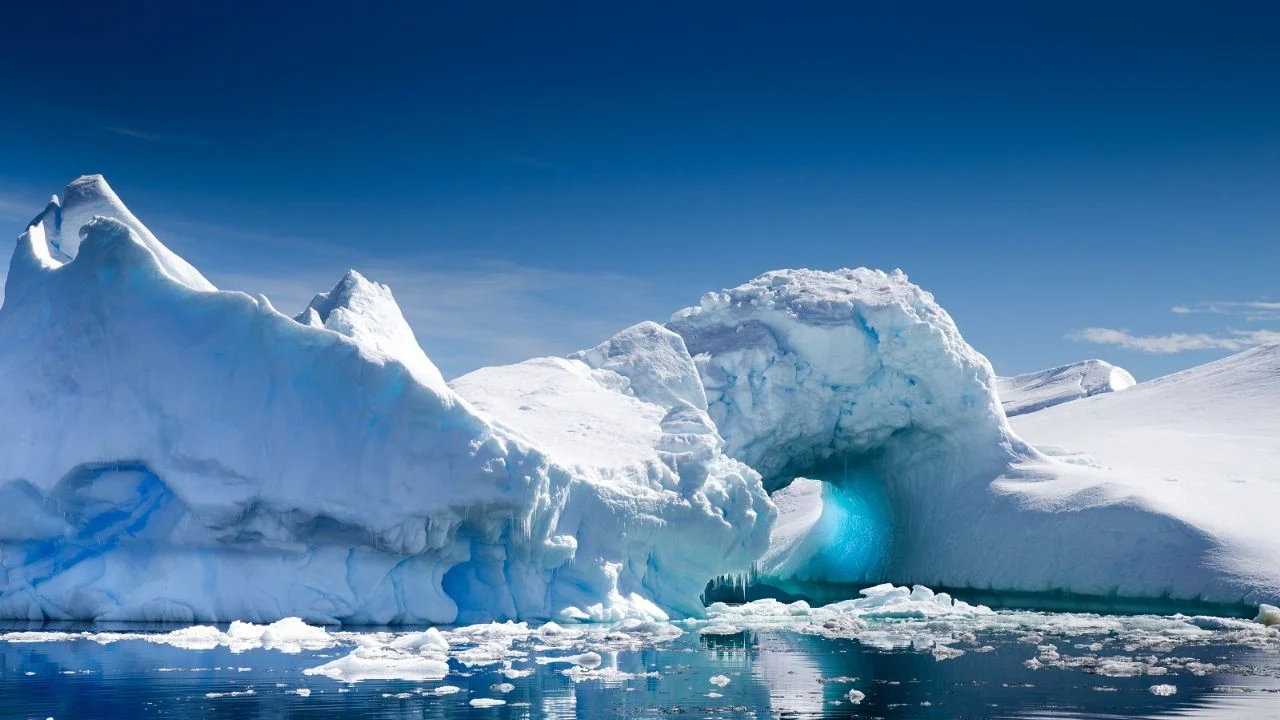 The discovery in Antarctica.
Two different landscapes: Eastern and Western Antarctica
The study distinguishes the morphology of the canyons in the two major regions of the continent:
-
Eastern Antarctica: extensive, branched canyons with multiple tributary channels, reflecting a more stable geological history marked by persistent layers of ice.
-
Western Antarctica: short, straight, steep canyons associated with a more dynamic glacial activity and vulnerability to melting.
According to Dr. Alan Condron from the Woods Hole Oceanographic Institution, these differences allow us to “reconstruct the history of ice flow” and refine climate prediction models.
The role of submarine canyons and possible implications for climate change
Submarine canyons play a crucial role in the global ocean circulation. They act as channels that transport cold, salty water from the continental shelf to the deep ocean. This drives the thermohaline circulation, a process that regulates temperatures and distributes nutrients worldwide.
The flow also occurs in reverse: masses of warm water ascend through the canyons, reaching the ice shelves and accelerating their melting from below. This mechanism is key to understanding the instability of Western Antarctica.
According to Condron, “it is not a minor process, but central to understanding how heat reaches the ice and how melted freshwater returns to the ocean.”
The study shows that previous models oversimplified the submarine topography of Antarctica. With the new data, it will be possible to improve ice loss projections and calculate with greater precision the region’s impact on sea level rise.



