



The water quality of the Suquía River in Córdoba was highly concerning until very recently. However, good news has recently emerged that renews hope against pollution.
The main watercourses of the city (the river and the La Cañada and El Infiernillo streams) remained between “acceptable” and “suitable” for aquatic life during 2024. This is indicated by the results of the Water Quality Index (WQI) of the Córdoba Municipality, based on December monitoring.
The WQI assesses the health of aquatic ecosystems on a scale from 0 to 100. A score between 50 and 79 is considered “acceptable”, while values from 80 to 100 correspond to the category “suitable”.
The change that made a difference for the Suquía River water
One of the most important pieces of information from the report, disseminated by La Voz, is the remarkable improvement in water quality at Chacra de la Merced, downstream from the <strong Wastewater Treatment Plant (EDAR) of Bajo Grande.
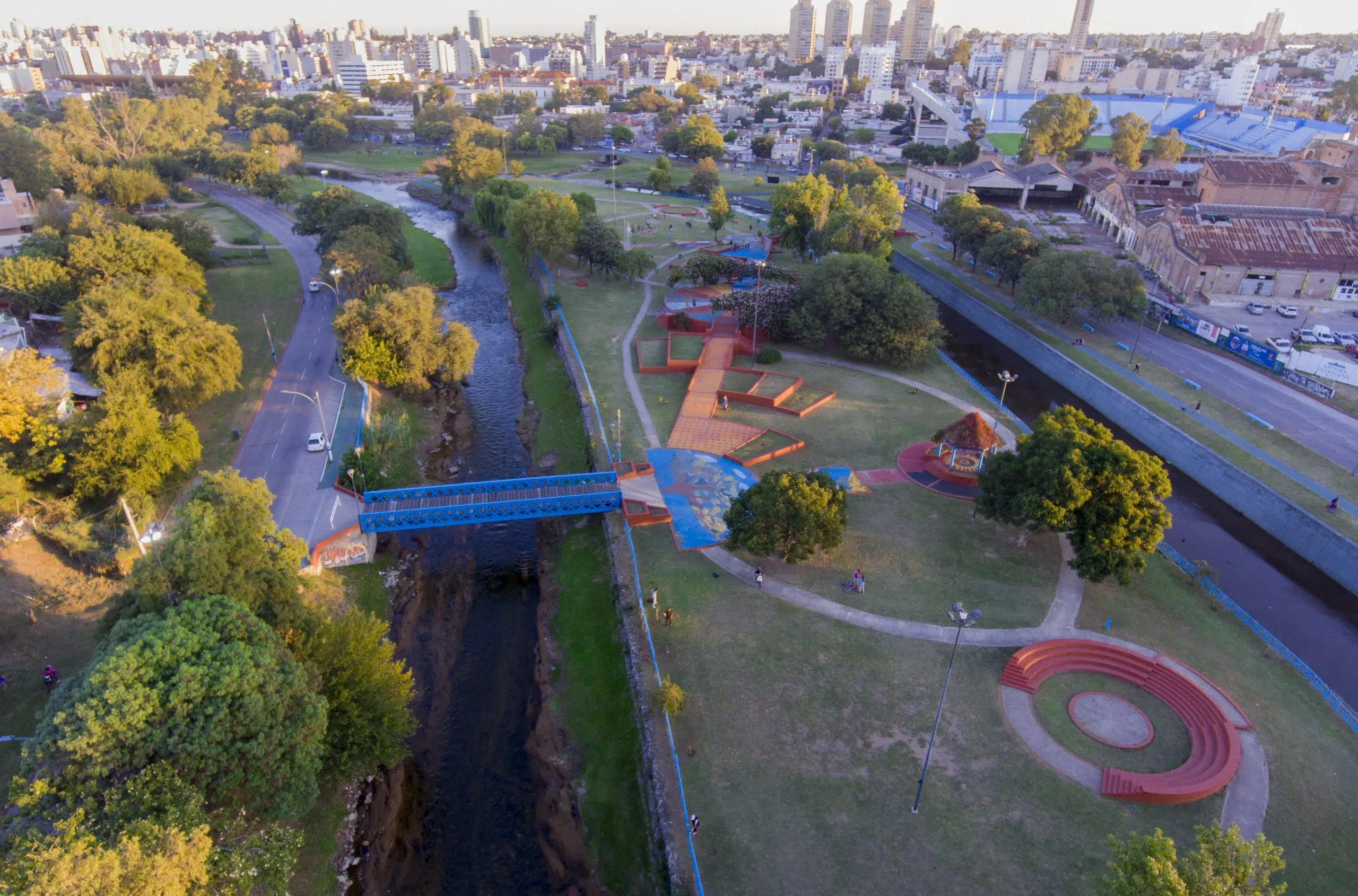
Historically, this point was the most environmentally deteriorated. For over three decades, the old treatment plant operated with deficiencies, discharging a large amount of untreated sewage into the river. This turned the Suquía into a focus of critical contamination.
With the inauguration of the new EDAR 2 in April 2022, the situation changed drastically. While in 2021 the WQI at Chacra de la Merced had reached values of just 23.4 (water not suitable for aquatic life), in December 2024 a value of 69 was recorded, placing it within the “acceptable” category.
Suquía River monitoring: acceptable water values
Nine points along the Suquía River were evaluated, from Villa Warcalde to Chacra de la Merced. In December 2024, the WQI readings ranged between 65 and 78 points, keeping the river in the “water acceptable for aquatic life” category.
However, the report highlights a slight setback compared to September 2023, when several points along the Suquía reached values between 85 and 100, considered “suitable”. This suggests that, while the quality is good, part of the river’s capacity to sustain its biodiversity has been lost.
La Cañada and El Infiernillo, key to improvements and stability
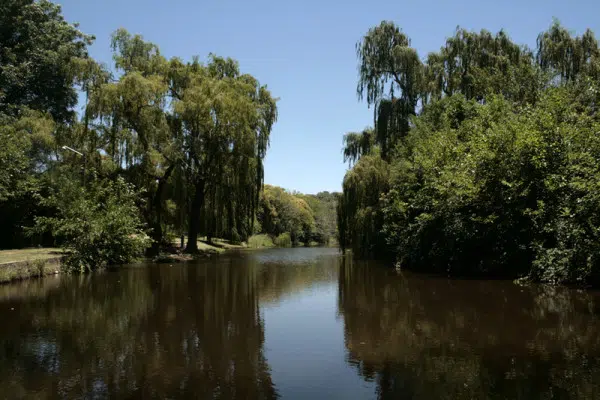
- La Cañada Stream: monitored at four points, with December 2024 values ranging between 62 and 78. This places it entirely in the “acceptable” category. While some sections improved compared to 2023, others regressed from the “suitable” to “acceptable” category.
- El Infiernillo Stream: at the monitoring point of Chancay Bridge, the WQI was 74, a value that has remained constant since 2021. Despite being a low-flow stream, the stability of its water quality is the result of control policies and the reduction of illegal discharges.
How the improvements were achieved
Both the Director of Environmental Impact Assessment of the Municipality, Eduardo Sarría Bringas, and the Deputy Director of the area, Mariana Jure, attribute the improvement in water quality to a set of measures. Among them:
- The construction of new sewerage systems.
- Ongoing monitoring of treatment plants.
- Detection of clandestine discharges.
As Jure stated to the provincial media, “the Suquía River is no longer seen as an open sewer.” This change had a direct impact, on the other hand, promoting a greater use of the riverbanks by the community.
Although it is still not safe for activities such as swimming, the improvement in the indices demonstrates significant progress. The challenge now is to consolidate this advancement with sustained environmental policies and greater citizen awareness for the care of the city’s watercourses.


