



Among the cliffs and beaches that connect the regions of **Valparaíso and Coquimbo** in Chile, extends the **Puquén Reserve**, a space of **260 hectares** that has established itself as an **ecological and cultural refuge** in one of the **most scarce and threatened ecosystems on the planet**: the **Mediterranean climate**.
This type of environment, present in only five areas of the world, hosts **endemic flora and fauna** of great importance for conservation.
## Mediterranean ecosystem: bioclimatic transition and botanical richness
Mild winters, dry summers, and vegetation adapted to **extreme conditions**.
The **Mediterranean climate** is characterized by its location between desert and temperate zones, with **hot and dry summers** and **short winters with little rainfall**.
This combination gives rise to vegetation dominated by **scrublands, perennial herbaceous plants, and sclerophyll species**.
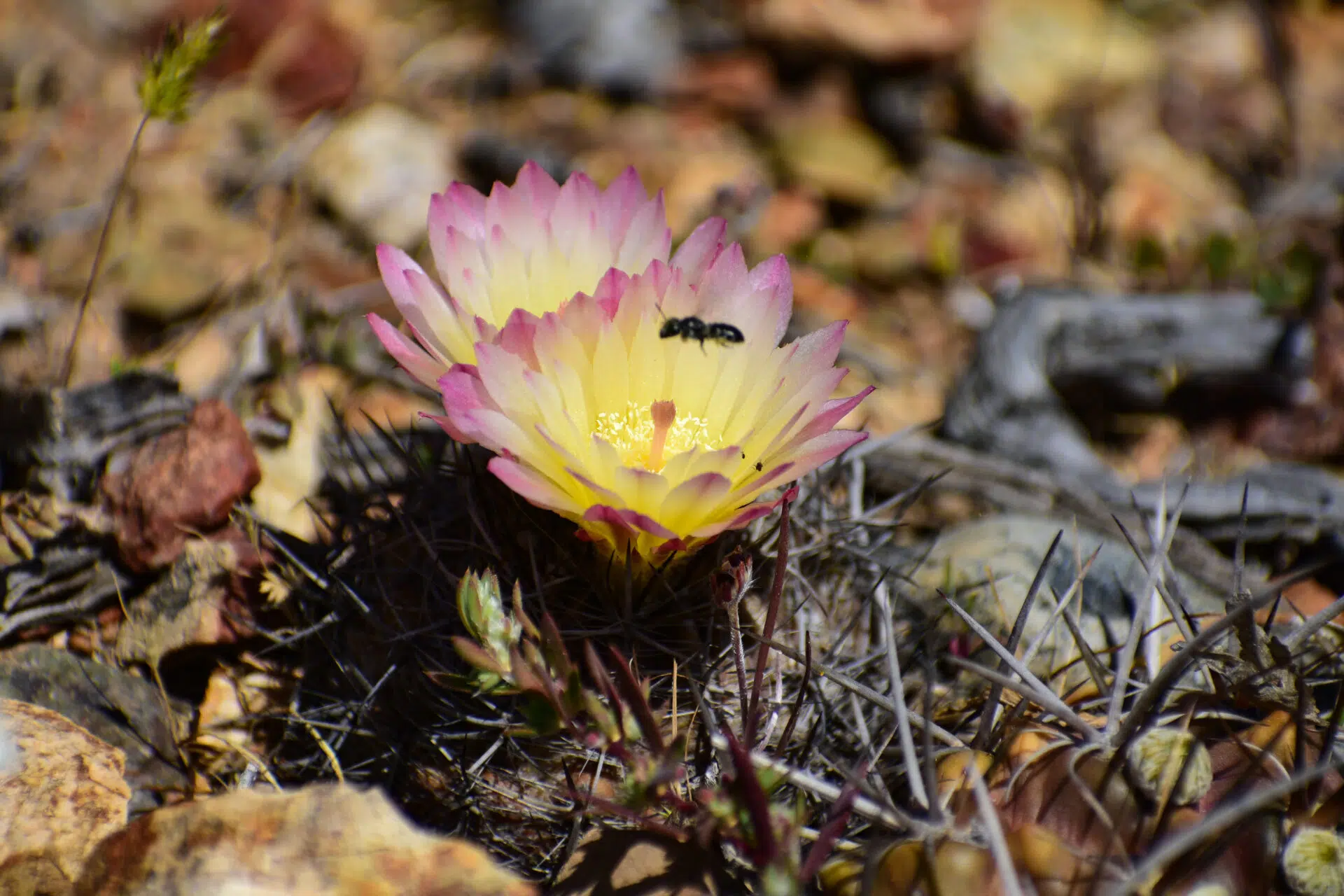
In spring, the trails of Puquén are filled with color with species such as the **Los Molles butterfly (Alstroemeria pelegrina)**, the **chagual (Puya venusta)**, and the **flor del bigote (Bipinnula fimbriata)**.
## Endemic flora and genetic heritage of Gondwanan origin
Close to **70% of the plant species** in Puquén are **endemic**, many of them threatened. The **wild lúcumo (Gayella valparadisaea)** stands out, a tree of **Gondwanan** origin critically endangered.
According to the NGO **Protect Los Molles**, the reserve houses the **last significant forest** of this species, making the place a **natural laboratory for genetic and evolutionary studies**.
## Coastal fauna and presence of large mammals
Cururo, yaca, degú, and even pumas inhabit this **coastal biological corridor**.
The reserve also protects animal species such as the **cururo (Spalacopus cyanus)**, the **Chilean partridge**, the **yaca**, the **degú**, and the **turca**, as well as **recent records of pumas**, reinforcing its value as a **wildlife sanctuary** in the central zone of Chile.
## Archaeological heritage: traces of ancient human occupation
Remains from archaic times to the **contact with the Spaniards**. Puquén not only preserves biodiversity but also **cultural memory**.
In its hills, there are **archaeological sites of high density**, with evidence of **continuous occupation** from archaic cultures to **pre-Columbian and colonial** ones. These spaces remain **closed to the public** to ensure their protection.
## Coastal geyser and scenic routes: natural attractions for visitors
The name of the reserve comes from a geological phenomenon: a **rocky cavity that expels water under pressure**, similar to a marine geyser.
In addition, visitors can explore **beaches, hills, and viewpoints** such as **Isla La Lobera**, **Mirador Niño Pájaro**, **Cerro Orejas de Burro**, and **Playa Mala Bajada**, among others.
## Community and conservation: active link with the territory
The **local community** considers Puquén as part of its **identity and heritage** and actively participates in **conservation initiatives, environmental education, and ecological restoration**.
This link strengthens **participatory management** and ensures the **transmission of environmental values to new generations**.


