



The planet is dangerously approaching a critical limit. Weeks before the COP30, experts confirm that the goal of keeping global warming below 1.5 °C will inevitably be surpassed. The world faces a scenario of extreme changes that will redefine life on Earth.
Global temperature is already 1.4 °C higher than in the pre-industrial era, according to the World Meteorological Organization. This increase drives droughts, fires, storms, and floods that affect entire ecosystems and communities.
The Paris Agreement set the goal of keeping warming below 1.5 °C, but current commitments only cover 70% of global emissions. At this rate, only a 10% reduction would be achieved by 2035.
The Intergovernmental Panel on Climate Change warns that to have a real chance, emissions must fall by at least 60% compared to 2019. Every fraction of a degree counts: exceeding 2 °C could cause the irreversible loss of reefs, glaciers, and entire species.

Belém, symbol of action and green hope
COP30 will be held from November 10 to 21 in Belém, Brazil, the heart of the Amazon. This setting is key: the planet’s largest lung is threatened by deforestation and climate change, and its preservation is essential to curb global warming.
The summit will seek to renew international commitments and agree on a climate finance plan that mobilizes 1.3 trillion dollars annually. This fund will help the most vulnerable countries adapt and reduce their dependence on fossil fuels.
Belém aspires to become the turning point towards a more just environmental cooperation. Central topics will include energy transition, ecosystem restoration, and the protection of tropical forests.
The future of sustainable cities will also be discussed. The challenge is to adapt them to new extreme climates, with more green areas, clean energies, and less polluting transport systems.
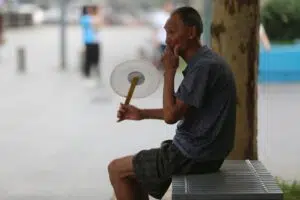
Ecological impact and global urgency
Rising temperatures will affect all ecosystems on the planet. The poles will lose ice mass, raising the sea level and threatening coastal populations. Millions of people could be displaced in the coming decades.
In tropical areas, the loss of habitats and changes in rainfall will put agriculture and food security at risk. The oceans, overloaded with CO₂, could lose their ability to absorb emissions, further accelerating warming.
The Amazon also faces a double risk. If it suffers more fires or deforestation, it will release millions of tons of carbon, transforming from a natural sink into a source of emissions. Experts agree that only immediate and coordinated climate action can prevent an irreversible collapse. COP30 will be a turning point: either the world acts decisively or witnesses its own environmental degradation.
Belém is emerging as the symbol of a hope that can still be saved. If humanity responds with commitment, there is still time to restore the balance with the Earth before crossing the threshold of permanent damage.


