



This species of tree, which is the guardian of the Amazon, is capable of surpassing 500 years of age, has become the most precise biological indicator for measuring the preservation of virgin ecosystems in Latin America.
In the densest and most preserved regions of South America resides a colossal vegetal that defies the passage of time. With specimens reaching 50 meters in height, this tree not only stands out for its imposing stature or its ability to live more than five centuries, but for being a key piece in the ecological puzzle of the continent.
Its survival is intrinsically linked to the existence of primary forests, functioning as a natural thermometer of regional biodiversity.
Unlike other more resilient species, this Amazonian giant requires an absolutely unaltered environment to thrive. Its reproductive cycle is a dance of interdependence: it needs specialist bees for the pollination of its flowers and specific rodents, like agoutis, for its seeds to be successfully dispersed.
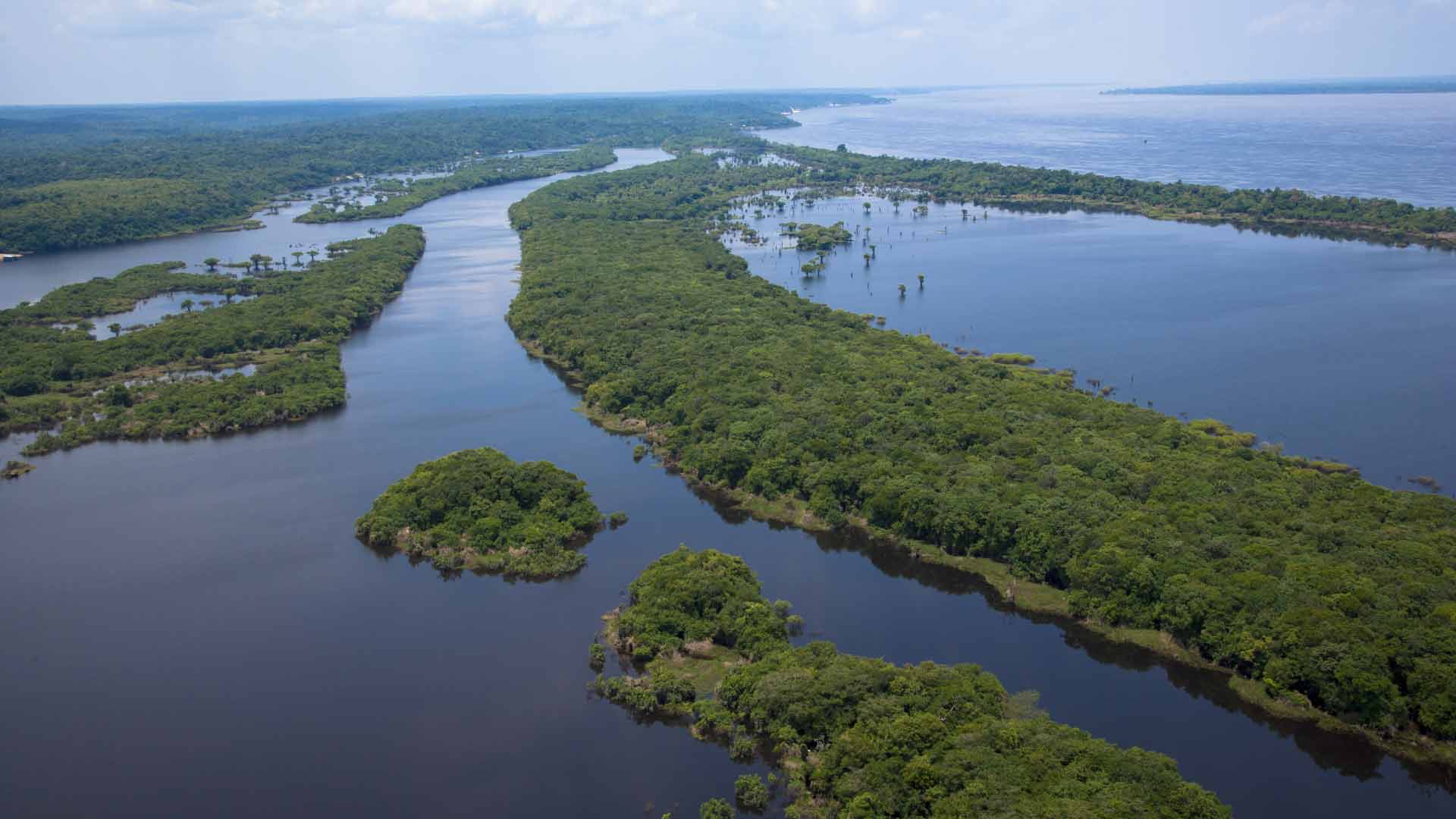
Therefore, the mere appearance of its fruits is interpreted by experts as confirmation that the surrounding ecosystem maintains its vital balance.
Besides its environmental value, this tree represents a sustainable bridge between nature and the global economy.
Its fruits sustain local indigenous communities and supply international markets in Europe and North America without the need to resort to deforestation.
According to environmental organizations like the World Wide Fund for Nature (WWF), protecting this species is equivalent to shielding the invisible support system that maintains the climatic and biological stability of the entire Amazon basin.
Its conservation has become a priority in the environmental agenda, as its disappearance would not only imply the loss of a millennial specimen, but the collapse of the fauna and flora networks that depend on its shade and its life cycle. It is, in essence, the living proof that the jungle still breathes.
The tree found only in one area of Latin America: lives 500 years
This species of tree of the Amazon nut, also known as Brazil nut (Bertholletia excelsa), needs a complete and healthy specific ecosystem to be able to reproduce.
Specific bees to pollinate its flowers, rodents like agoutis to disperse its seeds, and a continuous jungle to sustain that delicate balance. When this tree produces fruits, it is a clear sign that the Amazon forest is still alive.
Its fruits, hard like natural capsules, enclose highly nutritious seeds. Rich in proteins, healthy fats, selenium, and essential minerals, Brazil nuts feed millions of people in Latin America.
From Amazonian indigenous communities to urban tables in Europe and North America, this tree connects jungle and civilization through a food that does not require cutting down the forest to exist.


