



A new study from the Weizmann Institute of Science, published in Nature, revealed that the northward shift of North Pacific winter storms is directly linked to the accelerated melting of glaciers in Alaska and the extreme drought in California and Nevada.
The researchers conclude that these phenomena are not part of natural variability, but are a clear consequence of global warming, underestimated by current climate models.
Melting glaciers, multiplying fires
- Alaska: loses approximately 60 billion tons of ice per year, an alarming rate that accelerates sea level rise.
- California and Nevada: record heat and dryness, creating favorable conditions for increasingly devastating wildfires.
The role of North Pacific storms
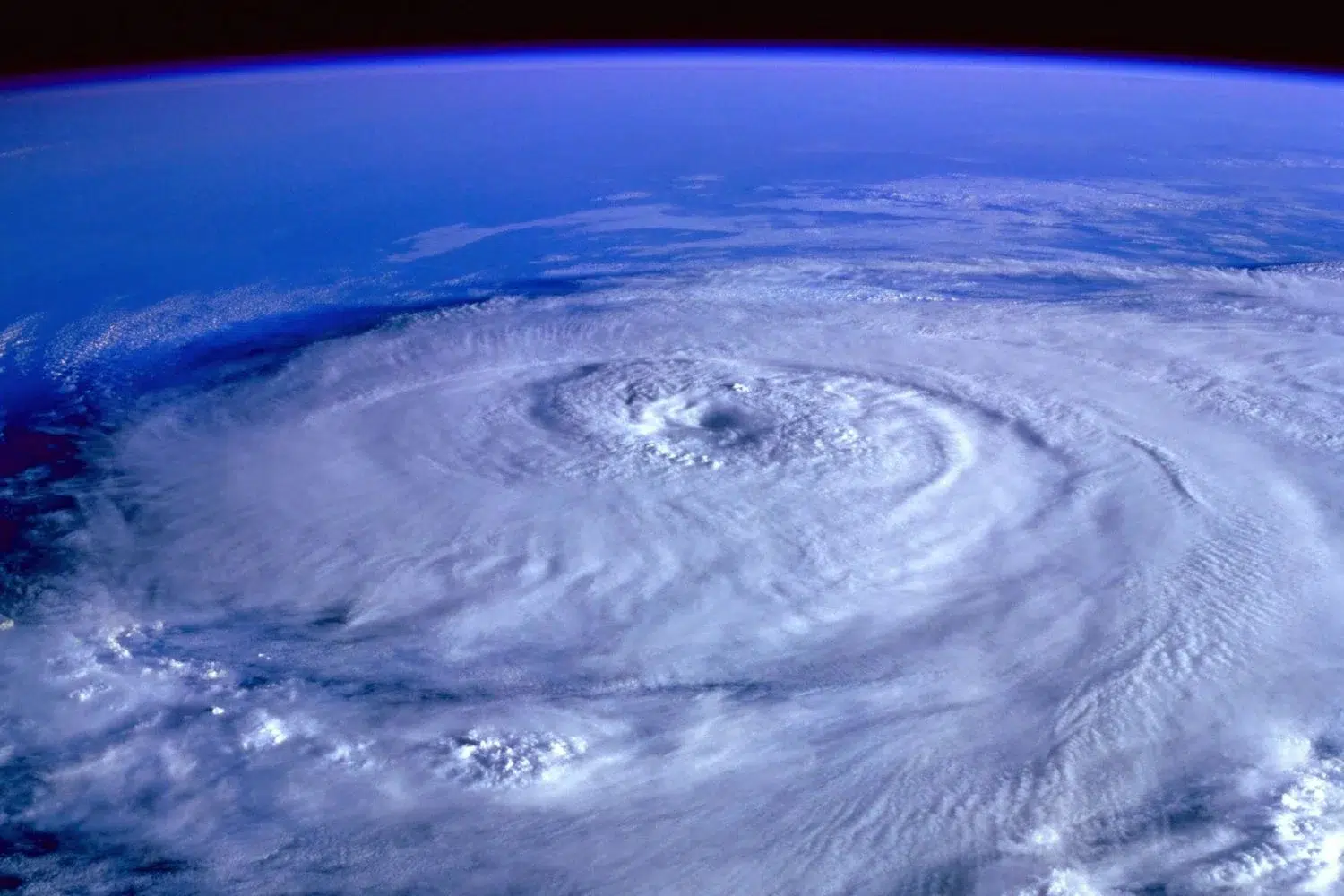
Winter storms transport heat and moisture from warm regions towards the pole. When their paths shift northward:
- Alaska receives more heat and moisture, accelerating glacier melting.
- The southwestern United States loses natural ventilation, which intensifies drought and raises temperatures.
A faster shift than expected
The study, led by Dr. Rei Chemke (Weizmann) and Dr. Janni Yuval (Google Research), demonstrates that this shift is occurring much faster than climate models anticipated.
To reach this conclusion, the researchers used a new metric based on sea level pressure, a parameter consistently measured over decades. The results confirm that the phenomenon is not natural, but a product of climate change.
Climate models under review
The findings add to previous studies by Chemke showing how storm tracks are rapidly changing, without climate models accurately reflecting this.
“Our preparation for future climate change depends on the ability of models to make accurate predictions,” says Chemke. “The fact that models do not capture the effect of climate change on the recent northward shift of storm tracks suggests that changes in this region could be even more drastic than we currently anticipate.”
The link between North Pacific storms, Alaska glaciers, and drought in California demonstrates how climate change interconnects phenomena thousands of kilometers apart.
The research warns that current models may be underestimating the magnitude of future impacts. This calls for an urgent review of climate projections and more robust preparation for extreme scenarios in North America.


