



The province of Buenos Aires installs autonomous photovoltaic systems in rural schools without access to the electrical grid. With this policy, it seeks to guarantee clean energy, improve educational quality, and consolidate a model of decentralized energy transition.
Buenos Aires, which concentrates almost 40% of the Argentine population, reflects the tensions of the national development model:
- High urban concentration in the Metropolitan Area.
- Strong dependence on fossil fuels.
- Deep territorial inequalities in access to basic infrastructure.
While the AMBA has high-density electrical, gas, and industrial networks, large rural areas in the provincial interior suffer from structural energy access deficits, reproducing historical gaps between urban and rural areas.
Rural schools in critical condition
In this context, there are rural educational establishments without connection to the electrical grid, which depend on inefficient, costly, and polluting generators. This energy vulnerability impacts:
- Educational quality and connectivity.
- Access to technology and basic school habitability conditions.
- Teacher permanence and family attachment.
A public policy with a territorial focus
The Ministry of Environment of the Province of Buenos Aires promotes the installation of autonomous photovoltaic systems in rural schools without access to the electrical grid. The initiative integrates social justice, climate action, and territorial development, consolidating an energy transition with a direct impact on rights and opportunities.
Objectives
- Guarantee safe and autonomous electrical energy in 100% of rural schools without a grid.
- Reduce energy vulnerability in isolated territories.
- Improve educational quality and school habitability.
- Strengthen community attachment and territorial resilience.
- Consolidate a provincial network of sustainable public institutions.
Implementation
The policy is developed within the framework of the Provincial Clean Energy Program through off grid solar photovoltaic systems.
During 2023–2024, a first stage was executed that reached 22 rural schools, prioritizing the most isolated and vulnerable. The systems include:
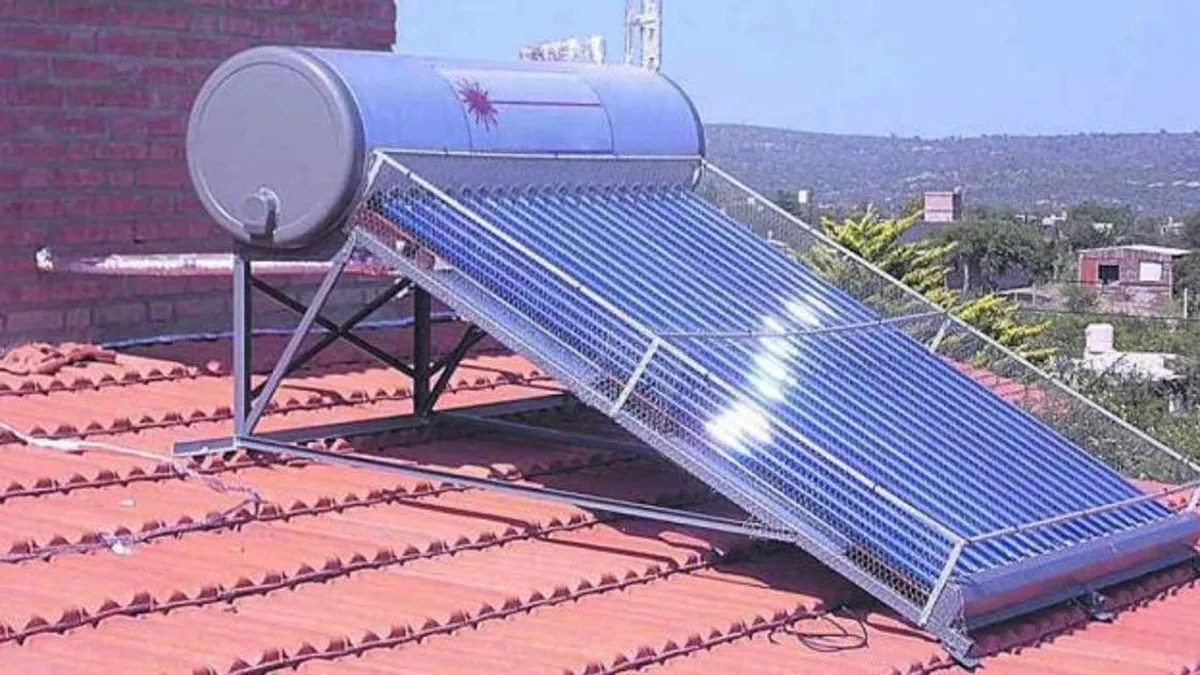
- Photovoltaic solar panels.
- Inverters and electrical protection systems.
- Lithium batteries with a lifespan of over 10 years.
- Technical training for maintenance and use.
Each school now has a stable electricity supply for lighting, connectivity, and technological equipment, consolidating itself as a community node with energy autonomy.
Climate and territorial impact
The policy articulates mitigation and adaptation to climate change from a territorial justice perspective:
- Adaptation and resilience: stable electricity supply, energy autonomy, and reduced vulnerability to crises.
- Territorial justice: equitable access to clean energy, teacher permanence, and strengthening local development.
- Mitigation: replacement of fossil generators, reduction of emissions, and contribution to provincial decarbonization.
Scope and projection
70 rural schools are identified that still require intervention. The goal is to achieve full coverage in two years, with an estimated investment of USD 37,000 per school, including equipment, adaptation works, and training.
The strategic objective is to consolidate a provincial model of decentralized energy transition, replicable in other provinces and in the region.
The Democratization of Energy in Rural Schools expresses a clear definition: the energy transition must expand rights and reduce inequalities. Investing in clean energy for rural schools means strengthening the educational system, reducing emissions, generating territorial resilience, and consolidating energy sovereignty from the public sector.

