



In the Chaco Salteño, members of the La Mora Community, led by the chief Camilo Montoya, decided to fence 160 hectares within Lot 26 to protect the last specimens of palo santo.
The measure, conceived as an act of environmental defense and cultural preservation, ended up in court and sparked tensions both with Creole families and within the Wichí communities themselves.
The context of the conflict
The disputed area is located in the jurisdiction of the town of La Unión, Rivadavia Banda Sur, and has been constantly plundered. According to Wichí leader Marcelo Acosta, illegal logging is carried out with false permits that allow the transport of wood to farms and greenhouses in Salta and Jujuy.
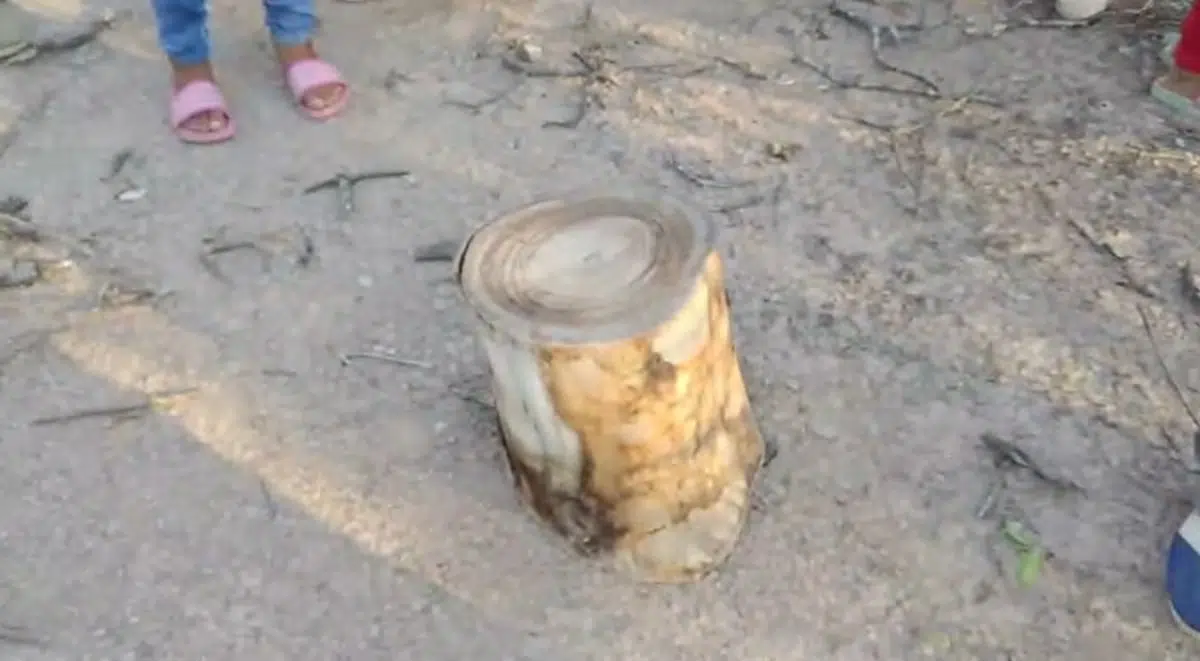
The palo santo, a species highly valued for its resistant wood, needs between 5 and 7 years to grow. In the area, there are barely any young shoots left, which are cut down before reaching maturity, exacerbating the degradation of the native forest.
Voices from the community
In videos shared by local leaders, sub-chief Eduardo Gómez denounced that Creole families, such as the Meriles and Novillo, fence and extract wood from common use areas. “We need a reserve for ourselves, for the future, for our children”, he expressed.
However, Montoya’s decision also sparked controversy within the community:
- Some question the desire to fence, when historically communities have fought against enclosures.
- They point out that the measure was taken without consulting the board of directors or the other seven communities of Lot 26.
- The fencing would block roads and could affect internal mobility.
Judicial intervention
The criminal prosecutor of Pichanal, Liliana Tasca, notified Montoya to cease fencing activities in the Paraje Pozo Hondo, prohibiting him from altering the current state of the land.
Lawyer Juan Carlos Vera filed an environmental injunction, requesting:
- The immediate cessation of logging and exploitation in the area.
- The recognition of the community’s right to close the 160 hectares as a cultural and environmental reserve.
- Security guarantees for the inhabitants, who reported threats.
Vera argued that the fencing is not a “disturbance,” as the Prosecutor’s Office labeled it, but an act of legitimate defense against illegal logging.
A structural problem
Beyond internal differences, there is consensus that the native forest is in a process of accelerated degradation. The indiscriminate extraction of palo santo, even of young specimens, threatens the regeneration of the forest and the continuity of cultural practices linked to this species.
The conflict reflects the historical tension between indigenous and Creole communities over the use of natural resources, and the lack of effective controls during the wood extraction process.
The case of La Mora exposes the complexity of environmental defense in indigenous territories: between the need to protect endangered species and internal disputes over how to do so. The judicialization of the fencing shows how the absence of clear conservation policies and state control leaves communities vulnerable to forest plundering.


