



With the arrival of autumn, households find a new opportunity to incorporate greenery. Far from being a season of pause, this time favors the cultivation of multiple species, especially those plants that are ideal for the home.
Moreover, the milder temperatures allow for better development of certain plants. Consequently, water stress is reduced and growth is optimized.
Therefore, adapting domestic spaces to the natural calendar is key. It also promotes more sustainable practices and environmentally friendly approaches.
The environmental and social benefits of incorporating plants at home
The presence of plants in the home improves air quality. Additionally, it helps regulate humidity and create healthier environments.
Likewise, cultivating species at home reduces dependence on industrialized products. Consequently, it promotes a more conscious consumption.
On the other hand, contact with nature strengthens emotional well-being. Thus, it becomes an accessible tool to improve quality of life.
Adapting crops to the autumn season
Autumn presents ideal conditions for certain species that require moderate temperatures. In this sense, it is important to select plants according to the climate.
Additionally, watering should be adjusted to the lower evaporation of water. Consequently, excess moisture is avoided which can damage the roots.
Likewise, it is advisable to place the plants in areas with good lighting. Therefore, their proper development during the season is ensured.

Ideal autumn plants to have at home
Among the most recommended options are vegetables like lettuce, spinach, and arugula. These species grow quickly and adapt well to pots.
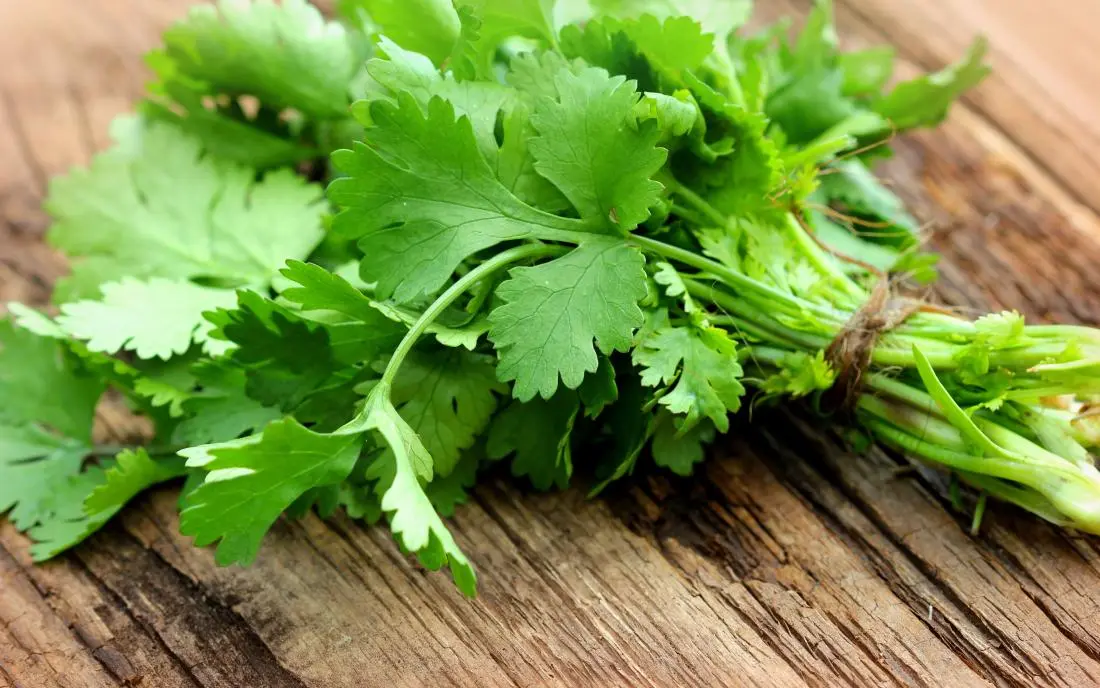
Additionally, aromatic herbs like parsley, cilantro, and chives are ideal for this time. Consequently, they bring freshness and flavor to daily cooking.
On the other hand, ornamental plants like chrysanthemums and violets also thrive in autumn. Thus, they allow for maintaining colorful spaces even with less light.
Likewise, crops like carrot, beet, and radish can be developed in domestic gardens. Therefore, they offer a productive and sustainable alternative.
Towards a greener and more conscious lifestyle
Incorporating plants in the home during autumn is an accessible and transformative practice. It also fosters connection with natural cycles.
It also helps reduce the environmental impact from everyday life. Consequently, small actions generate significant changes.
Moreover, these initiatives promote environmental education in the family environment. Thus, sustainable habits are built in the long term.
Finally, domestic cultivation positions itself as a key tool. Therefore, it represents a concrete step towards a more balanced and environmentally respectful lifestyle.


