



An innovative conservation initiative has just taken its first steps on the coast of Costa Rica: scientists from Tortuguero National Park have started equipping jaguars (Panthera onca) with state-of-the-art satellite collars.
These will be used to track their movements in real time and obtain crucial data about their behavior, a key point in the conservation of this endangered species. For now, the device has already been successfully placed on a first specimen.
This monitoring program represents the first effort of its kind in Costa Rica and marks an important milestone in the conservation of the largest feline in America aiming to generate robust scientific information to design better protection strategies.
The implementation of this GPS technology for jaguars is the result of an interinstitutional collaboration that includes the following entities:
- International Institute for Wildlife Conservation and Management (Icomvis-UNA) at the National University of Costa Rica
- Namá Conservation
- Amazon Conservation Team
- Rescate Wildlife Rescue Center–Zoave
- Tortuguero Conservation Area (ACTo)
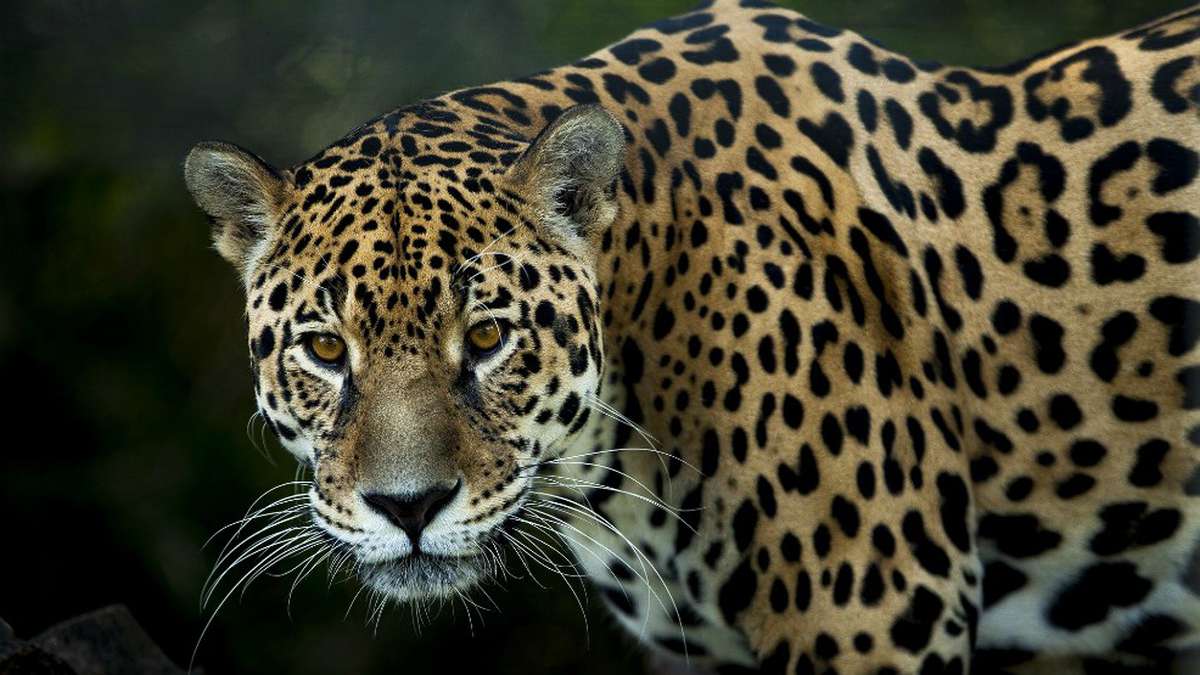
How do GPS collars for jaguars work?
The satellite collars installed on jaguars use cutting-edge GPS technology that provides extraordinarily precise data on the movements of this fantastic species.
As explained by researcher Víctor Montalvo from Icomvis-UNA, these devices allow us to understand the spatial behavior of the felines and their use of the territory.
The process of placing the collar follows strict animal welfare protocols:
- Maximum weight: represents less than 5% of the jaguar’s body weight
- Automatic release system: the collar detaches on its own at the end of the study, without the need to recapture the animal
- Battery life: between 2 and 3 years of continuous monitoring of jaguars with satellite collars
- Data transmission: remote locations in real time
The initial data transmitted has successfully confirmed the location of the captured specimen, whose laboratory analyses reveal excellent health conditions.
“Its hematological and biochemical parameters are within normal ranges. The monitoring duration depends largely on the battery life of the device, which typically remains active for two to three years,” highlighted researcher Víctor Montalvo from Icomvis-UNA.
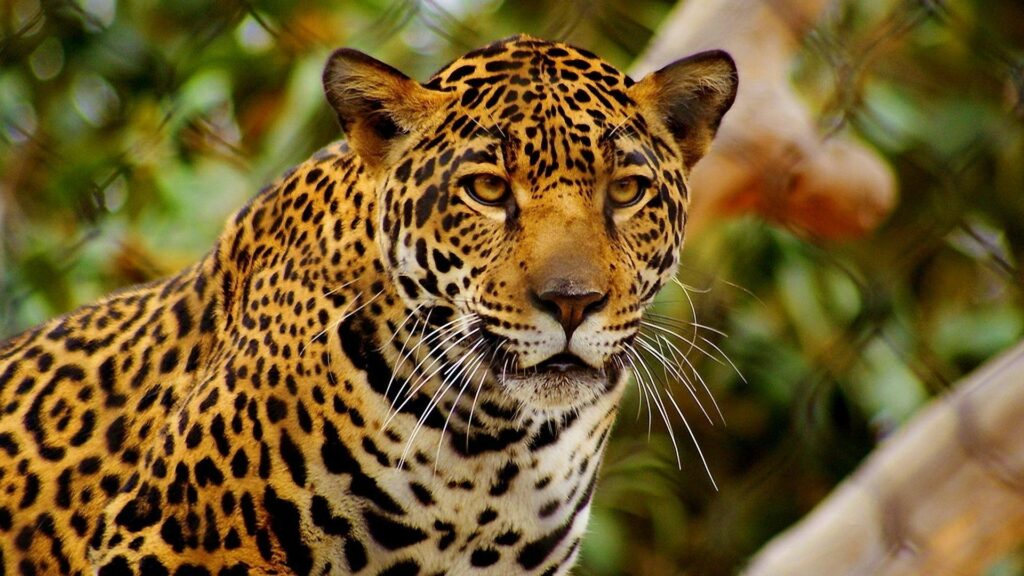
What information do satellite collars provide?
Experts indicated that the data obtained from the use of satellite collars on jaguars allows for the identification of resting areas, sites where they obtain food, and the routes they use to move around.
By understanding these patterns, it is possible to generate inputs for decision-makers and strengthen the protection of ecosystems and habitats where this species lives.
This scientific information is essential to understand the ecology of the jaguar and determine which areas require greater protection.
Importance for the conservation of the jaguar in Costa Rica
Elena Vargas, regional director of ACTo, emphasizes that the effective conservation of the jaguar population, one of the fundamental objectives of the park, requires solid scientific information.
“It is essential to have solid scientific information that allows us to better understand the areas they use and the most common routes, in order to strengthen the protection and management of their habitat,” she points out.
It is expected that the data obtained will serve as strategic inputs for decision-makers to strengthen the protection of critical ecosystems, identify priority biological corridors, design conservation strategies based on evidence, and improve the management of the jaguar’s habitat.
Main threats to the survival of the jaguar
This emblematic species faces serious threats that have placed it in danger of extinction:
- Deforestation: accelerated loss of natural habitat
- Urban development: expansion of human infrastructure
- Illegal hunting: main cause of direct mortality
- Habitat fragmentation: isolation of populations



