



With the arrival of low temperatures and cold weather, pets require special attention to avoid health and well-being problems.
The College of Veterinarians of the Province of Buenos Aires (CVPBA) has shared a series of fundamental recommendations to protect companion animals, especially from freezing temperatures and below zero temperatures.
Although animals have natural fur, extreme temperatures can cause:
- Tremors and muscle stiffness.
- Decreased mobility and drowsiness.
- Slow breathing and dry skin.
In case of alarming symptoms, it is recommended to immediately seek a veterinarian.
Puppies, elderly animals, and those with debilitating diseases are more prone to suffer from cold-related issues, so it is recommended to monitor their behavior.
Key tips to protect your pets from the cold
Fortified nutrition:
- Adjust the diet to ensure an adequate caloric intake.
- Consult with a veterinarian to determine the best nutrition for the animal.
- Keep the immune system strong by ensuring a balanced diet.
Protection against sudden temperature changes:
- Avoid abrupt transitions between heated environments and the outdoors, as they can lead to bronchitis.
- Ensure proper drying if the animal gets wet, paying special attention to paws, abdomen, chest, and armpits.
Prevention of diseases and parasites:
- Protect against external parasites, as diseases like leishmaniasis and ehrlichiosis can affect even in winter.
- Veterinary consultation for an effective preventive plan throughout the year.
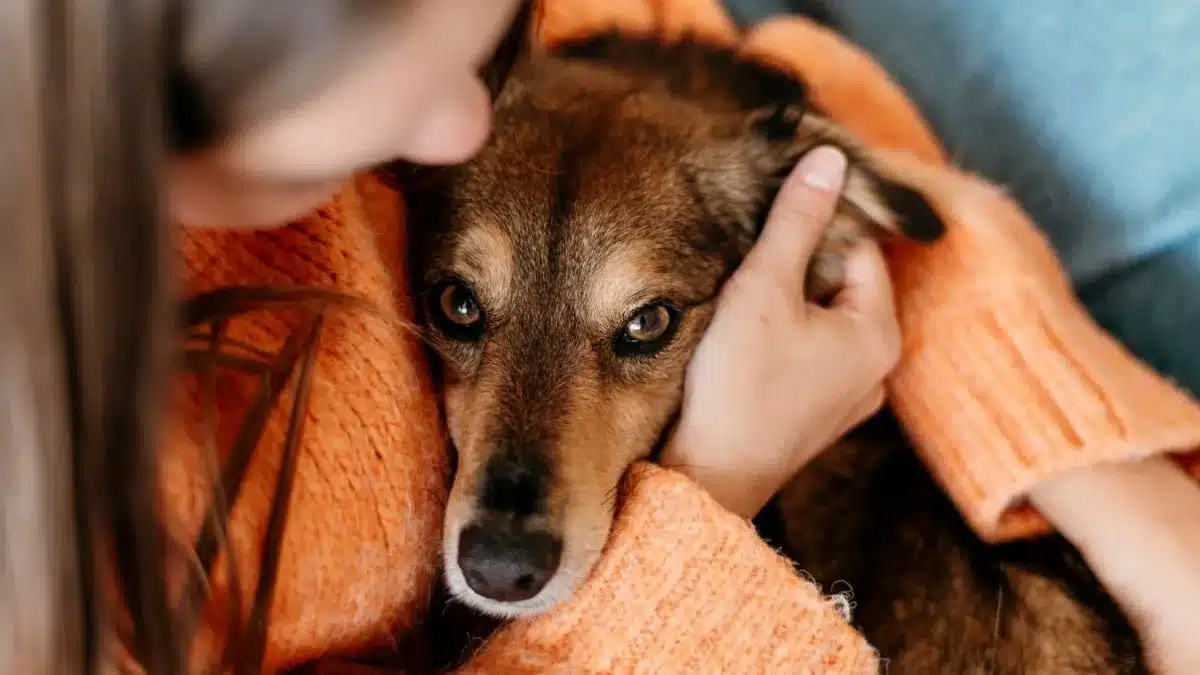
Proper coat and hygiene control:
- It is not always necessary to put on clothes, but in cases of arthritis, it may be advisable.
- Maintain a washing routine to prevent dirt buildup on clothing and apply flea treatments.
Safe environment and accident prevention:
- Provide a comfortable and sheltered place from the cold for resting.
- Be cautious with cats, as they tend to approach stoves and radiators, which could cause burns or respiratory problems.
Hair trimming: moderation in winter:
- Avoid excessive haircuts, as fur acts as a natural protection.
- If the dog has very long hair, only make moderate trims.
Maintain high levels of immunity
The best advice to ensure pets’ health in winter is to strengthen their immune system through a balanced diet and regular veterinary consultations.
This set of measures ensures a safe and comfortable winter for animals, promoting their well-being in the coldest months of the year.
Cover photo: Freepik



