



Although Costa Rica is globally recognized for its leadership in environmental conservation and its extensive network of protected areas —covering more than 25% of the national territory—, the situation of wild parrots reveals a troubling paradox.
Despite advances in ecosystem protection, these birds continue to face severe pressures due to habitat loss, agricultural expansion, and especially the illegal wildlife trade.
A tradition that puts species at risk
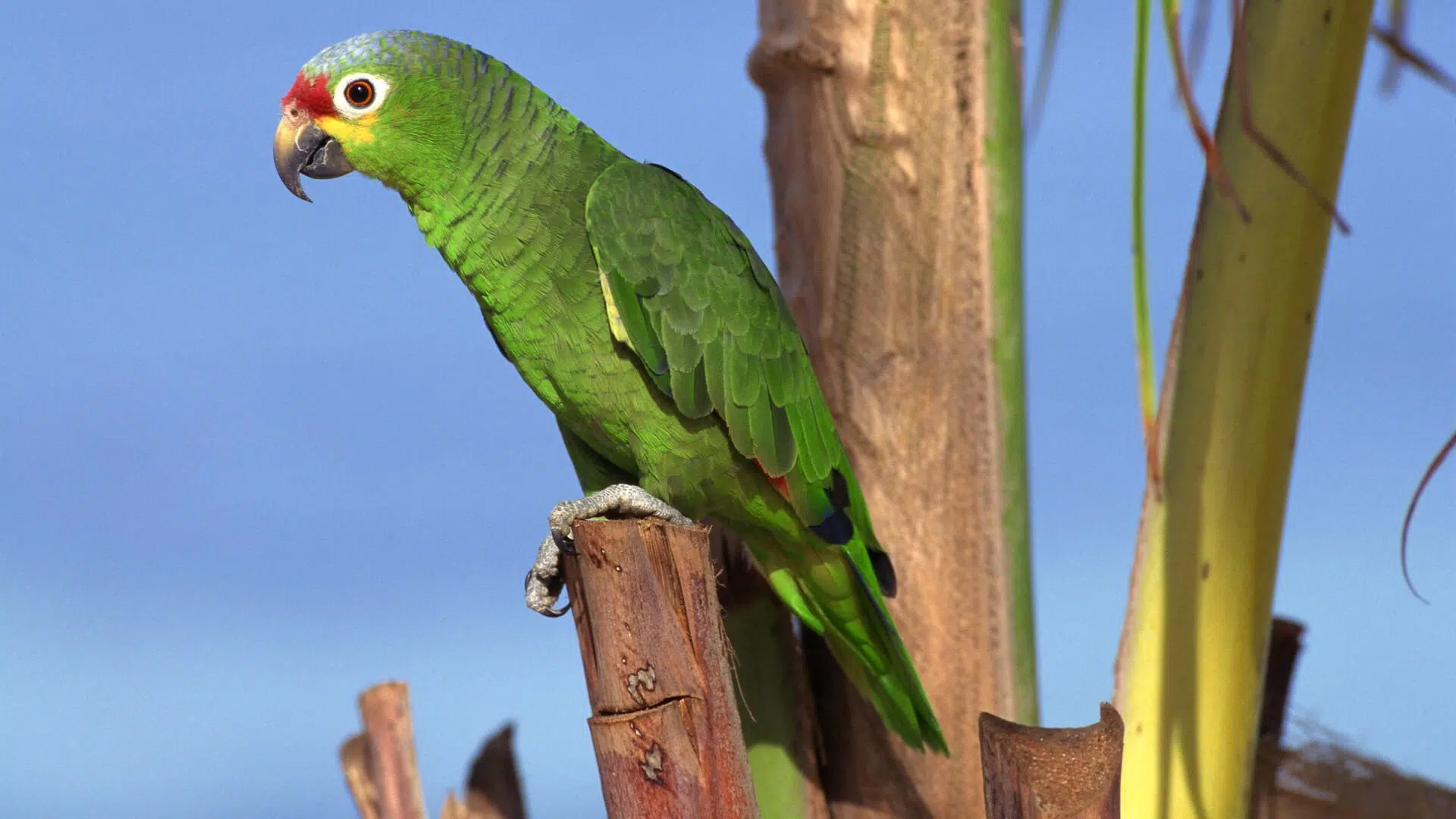
In many rural communities in the country, keeping parrots as pets is a deeply rooted cultural practice. Although this custom is often motivated by affection for animals, it has contributed to the systematic extraction of specimens from their natural environment, even of threatened species such as macaws and amazons.
Since 1983, the possession of wild parrots has been illegal in Costa Rica. However, a recent study led by the Doñana Biological Station (CSIC), in collaboration with the universities Miguel Hernández de Elche and Pablo de Olavide de Sevilla, reveals that this practice persists in more than 80% of the surveyed households and in 86.6% of the visited municipalities.
National scale research: alarming data
The scientific team traveled almost 2,000 kilometers of roads across the country, conducting censuses in 949 habitat patches and recording more than 1,200 observations of native parrot species.
The results show a significant decrease in diversity and abundance in agricultural and urban areas, where landscape transformation has drastically reduced their chances of survival.
“Even in a model country for conservation, the illegal wildlife trade remains a critical threat,” warned Pedro Romero, one of the study’s researchers.
Beyond protected areas: a comprehensive approach
Experts agree that habitat protection is not enough. Although protected areas have been key in reversing decades of deforestation, parrots require large territories, ecological connectivity, and biological corridors to feed, reproduce, and fulfill their role as seed dispersers.
Additionally, the reintegration of confiscated birds is complex: many lose essential skills to survive in the wild, limiting the possibilities of population recovery.
Urgent recommendations: culture, law, and education
The study calls for:
- Strengthening law enforcement against the illegal wildlife trade
- Promoting educational campaigns that encourage a deep cultural change
- Reducing the demand for wild pets through responsible alternatives
- Encouraging ecological connectivity between protected areas and fragmented habitats
“Even in pioneering countries in environmental policies, like Costa Rica, emblematic species and the ecological services they provide are at risk of disappearing if decisive action is not taken,” warned José Luis Tella, co-author of the study.


