



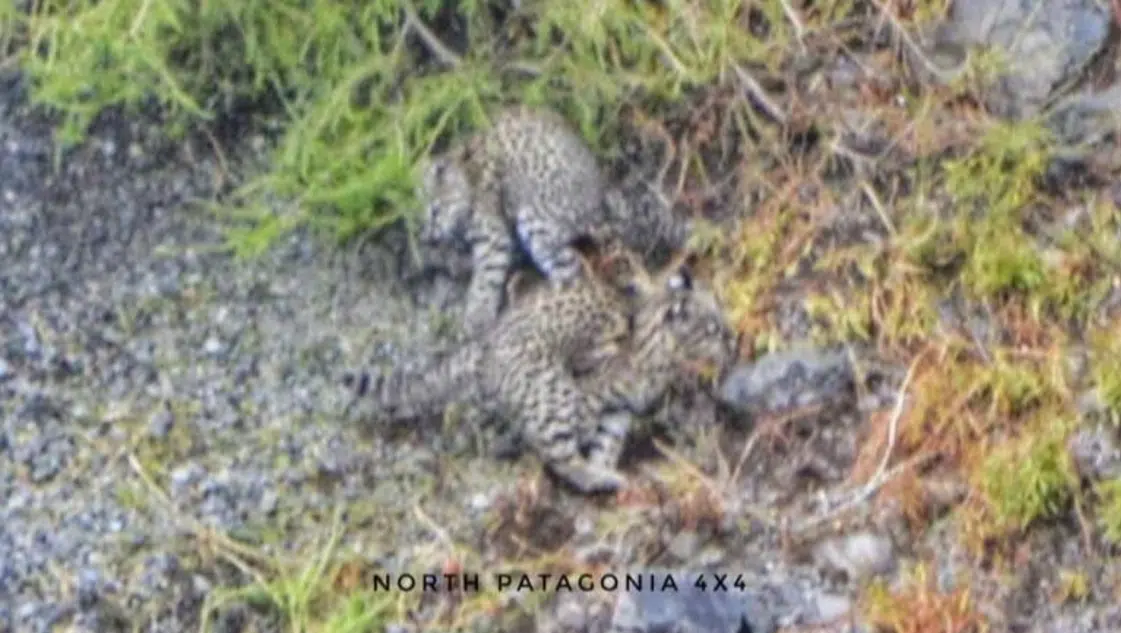
In the north of the province of Neuquén, an unusual event sparked enthusiasm and attention. Three wildcat cubs were observed playing within the Copahue Protected Natural Area.
The sighting was celebrated by the environmental authorities. Thus, it was confirmed that the area provides favorable conditions for the reproduction of native species. Moreover, the sighting became a positive indicator of the state of the local ecosystem.
The role of visitors in protected areas
From the Copahue Protected Natural Area, they reminded that the conservation of wildlife also depends on human behavior. Therefore, they emphasized the importance of respecting basic rules.
Staying on designated trails reduces stress on the wildlife. In turn, avoiding unnecessary noise allows animals to maintain their natural habits. In this way, each responsible visit contributes to sustaining the balance of the environment.
An indicator of healthy environments
The birth and development of wild offspring is interpreted as an encouraging sign. It indicates that the territory offers sufficient food, shelter, and tranquility.
Therefore, the sighting was considered a valuable moment for those working in the protection of the area. It is not just a cute image. Instead, it represents a concrete confirmation of the ecological value of the protected space.
Among the most elusive felines of Patagonia
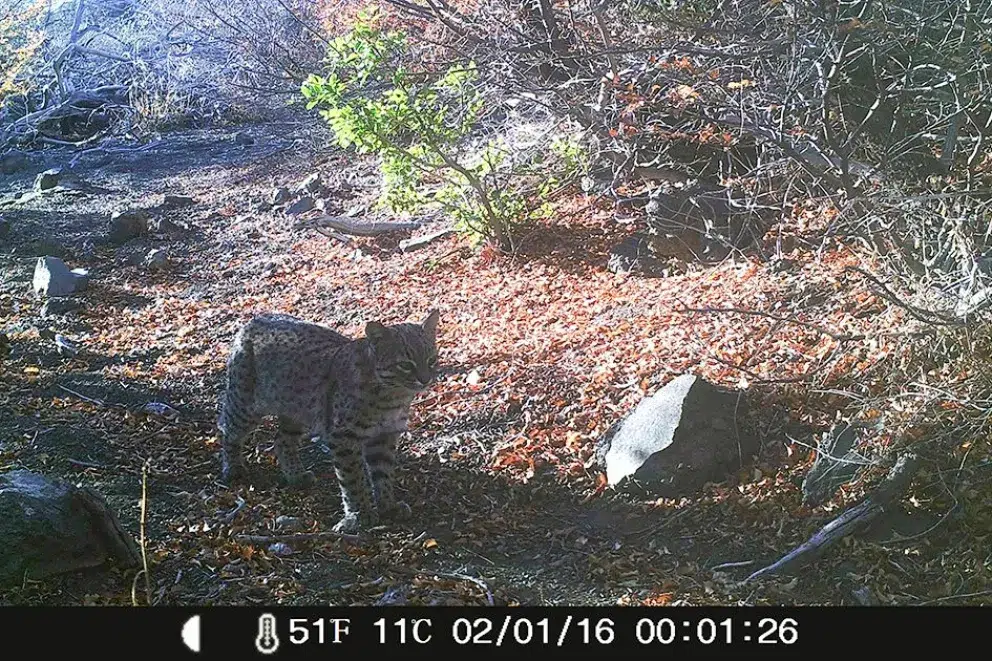
The wildcat, scientifically known as Leopardus geoffroyi, is one of the most representative wild felines of Patagonia. It inhabits steppes, scrublands, and mountainous areas with low human intervention.
It has nocturnal habits and a solitary behavior. Thanks to its great camouflage ability, it is rarely seen. For this reason, each sighting provides key information for the monitoring of regional wildlife.
Characteristics of the wildcat
The wildcat is a medium-sized feline, with a spotted coat that varies between gray and yellowish tones. This coloration allows it to blend in with the natural environment.
It has an agile and muscular body, adapted for hunting. It primarily feeds on rodents, birds, and small vertebrates. In this way, it plays a fundamental role in the control of populations and in the balance of the ecosystem.
Threats faced by the species
Despite its adaptability, the wildcat faces multiple threats. The loss and fragmentation of habitat reduce its movement areas.
Additionally, illegal hunting and road accidents pose a constant risk. These pressures especially affect young populations. Therefore, the protection of natural areas is key to its survival.
How to act when encountering wildlife
In the event of an encounter with a wildcat, it is recommended to maintain distance and not interfere. Do not attempt to feed or capture it. Instead, it is important to notify park rangers or environmental authorities. This ensures an appropriate intervention.
The species is legally protected at the national and provincial levels. In Neuquén, environmental regulations protect the native wildlife as natural heritage.
The sighting in Copahue reinforces the value of protected areas. There, wildlife finds conditions to reproduce and sustain itself. Caring for these spaces implies shared responsibility. Every human action can make a difference. Ultimately, the presence of the cubs reminds us that conservation is a daily and collective task.



