



Illegal trafficking of wildlife species remains one of the greatest threats to biodiversity in Argentina. Despite existing laws, thousands of specimens are captured and sold clandestinely every year. The illegal trade involves millions of dollars and affects both animals and native plants.
Among the most affected species are emblematic birds such as the yellow cardinal, the toucan, and the talking parrot, along with reptiles like the Lampalagua boa and mammals like the caí monkey. Even precious woods and plants such as orchids or cacti are targeted by traffickers.
This phenomenon not only puts species at risk but also alters ecosystems. Each extraction weakens natural chains, favors habitat loss and threatens public health by facilitating disease transmission.
Wildlife trafficking thrives on everyday practices such as purchasing souvenirs made from parts of animals, plants, or woods. These actions, although seemingly harmless, support a market that pushes many species to the brink of extinction.
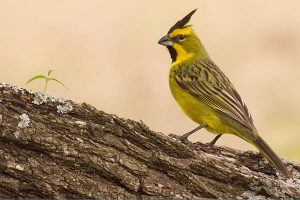 Yellow cardinal[/caption>
Mascotism, extraction, and its ecological consequences
Mascotism, a practice that seeks to domesticate wild animals, worsens the situation. The capture and transportation of fauna not only destroy habitats but also have a direct health impact by facilitating the emergence of zoonotic diseases.
Urban expansion and agricultural expansion also contribute to the loss of natural refuges, forcing animals to move towards urban areas. This leads to coexistence conflicts, as seen with capybaras in gated communities or encounters with raccoons and bears in different cities around the world.
The ecological balance is affected when wildlife species lose their natural environment. Forced contact with humans not only endangers people but further deteriorates the survival chances of these species.
Forced coexistence is a growing problem that requires preventive actions and sustained public policies over time. Conservation requires more than good intentions: education, control, and a real commitment from the entire society are needed.
The environmental impact of illegal wildlife trade
Illegal trafficking of wildlife disrupts natural cycles, interrupts food chains, and weakens local biodiversity. By removing individuals from the natural environment, the ecosystem balance is altered, creating irreplaceable voids.
Many species perform essential functions, such as pest control, pollination, or seed dispersal. Their disappearance can create cascading effects that affect the entire environment. Additionally, captured species often die during transport, increasing the damage.
On the other hand, illegal trade introduces animals to places where they become pests or affect local fauna. This phenomenon impacts both biodiversity and the regional economy, generating productivity or health problems.
Illegal trafficking also fosters transnational criminal networks, where wildlife is just another link in organized crime. Combating this trade requires coordinated efforts between governments, NGOs, and civil society.
 The Lampalagua boa is one of the species threatened by wildlife trafficking. Photo: Wikipedia.
Legal frameworks and control actions in the country
The National Law for Wildlife Conservation establishes penalties of up to five years for those who capture or commercialize animals without authorization. Its enforcement depends on the actions of provincial agencies and the Environmental Control Brigade (BCA).
Since its creation in 2020, the BCA has rescued hundreds of animals, many of which were reintegrated into their habitats. In other cases, specimens were transferred to rescue centers or sanctuaries, especially when dealing with exotic species.
Joint work with security forces has led to dismantling international trafficking networks. Globally, operations like those carried out by INTERPOL and the WCO have rescued thousands of animals and dismantled criminal organizations dedicated to this activity.
The fight against illegal trafficking is an urgent commitment. Without controls and environmental education, the impact on ecosystems and wildlife will continue to deepen, with irreversible consequences for nature and society.



