



The Andalusian capital is making progress in its energy transition with a specific commitment to urban sustainability. The municipal cleaning company, Lipasam, completed the installation of 252 solar panels in the East Cleaning Auxiliary Park, which are added to the 178 photovoltaic panels already operational in Los Príncipes and the central offices.
The project marks a milestone in the environmental management of Seville, reducing its dependence on fossil sources and reinforcing the local policy for mitigating climate change. With this expansion, solar energy begins to cover a significant part of the electrical needs of the cleaning operational centers.
According to municipal estimates, the system will produce more than 536,000 kilowatt-hours per year, avoiding the emission of 50 tons of CO₂ annually. The economic savings are estimated at 54,000 euros per year, allowing the investment to be recouped in less than five years.
In addition to the environmental impact, the project strengthens the public infrastructure and promotes a model of self-sufficient energy management. Seville thus consolidates its position as a leader in integrating renewable energies at the municipal level.
 Seville will use solar energy for green cleaning in the city.
Benefits of solar-powered urban cleaning
The use of photovoltaic energy in public services generates direct benefits for the local economy and the environment. The reduction of emissions improves urban air quality and contributes to the city’s climate commitments, while decreasing the demand for electricity from non-renewable sources.
Operationally, the initiative allows for reducing fixed costs and increasing the energy autonomy of the municipal company. The energy produced will supply the charging points for its electric fleet, which already represents more than 55% of the total cleaning vehicles, reinforcing a clean and efficient mobility system.
At a global level, these local actions align with the objectives of the Recovery and Resilience Plan of the European Union, funded by the NextGenerationEU program, which promotes renewable self-consumption and decarbonization of cities. Seville demonstrates that the ecological transition is not only possible, but also profitable and replicable in other public sectors.
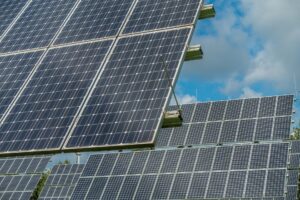 Seville will use solar energy in its urban cleaning fleet for green cleaning.
Spain and the use of renewable energies
Spain has established itself as one of the European leaders in the transition to renewable energies. In 2025, over 50% of the electricity generated in the country comes from clean sources, with wind and photovoltaic solar leading the way, driven by public policies and a growing interest from the private sector.
Technological development and cost reductions have allowed solar energy to expand both in large plants and in domestic self-consumption installations. Energy communities and local cooperatives promote energy independence and reduce the carbon footprint in homes and businesses.
Furthermore, Spain is investing in innovation in storage and smart grids, essential for managing the variability of renewable sources. Projects in green hydrogen and marine energy position the country as a reference in sustainability and ecological transition within the European Union.



