



The historical environmental conflict linked to Botnia, the pulp mill located in Fray Bentos, added a new chapter following the release of monitoring results conducted by the Scientific Committee of the Administrative Commission of the Uruguay River (CARU). The studies corresponding to 2023 identified episodes of toxicity in some biological analyses, reopening the debate about potential environmental impacts on the shared river ecosystem between Argentina and Uruguay.
The work was carried out through periodic inspections of the Orion plant, formerly known as Botnia, and evaluated both parameters regulated by current regulations and other complementary environmental indicators.
Although the measurements showed that most of the analyzed values remained within permitted limits, certain toxicity tests raised concerns among some members of the scientific team responsible for monitoring.
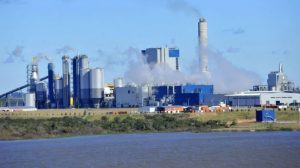
Permanent monitoring of industrial effluents
During 2023, twelve technical inspections and sampling campaigns were conducted at the industrial facilities located in Fray Bentos. The tasks involved the participation of Uruguayan environmental agencies and specialists appointed by both countries.
Additionally, 117 environmental parameters were surveyed. Of this total, 55 are part of the currently existing regulatory standards, while another 62 allow for an expanded evaluation of potential ecological effects in the aquatic environment.
Furthermore, researchers applied biological tests with organisms used internationally to detect toxic effects in aquatic environments. These tests allow for the identification of alterations that might not be evident through conventional chemical analyses.
Scientific differences over the results
One of the most notable aspects of the report was the existence of different interpretations among the specialists who are part of the Scientific Committee.
While some experts argued that the tests conducted during November and December 2023 showed toxic effects on sensitive organisms such as Daphnia magna, others considered that the results obtained do not allow for the conclusion that there were violations of the current standards.
Consequently, the report reflects a complex situation. On one hand, the plant maintained most parameters within the established values. On the other, the biological results suggest the need to continue deepening investigations to fully understand the potential ecological effects.
An environmental conflict that marked regional history
The controversy over the pulp mills became one of the most significant environmental conflicts between Argentina and Uruguay in recent decades.
Between 2005 and 2010, the installation of industrial ventures on the shared basin of the Uruguay River generated a strong diplomatic dispute between both countries, especially between the cities of Fray Bentos and Gualeguaychú.
Subsequently, one of the projected industrial initiatives was canceled, while the plant initially developed by Metsa-Botnia continued and began operations in 2007. Years later, the debate resurfaced with productive expansions and new industrial projects in the region.
What was Botnia and why did it generate environmental concern
Botnia was a Finnish company dedicated to the production of pulp that built an industrial plant in Fray Bentos, on the eastern bank of the Uruguay River. Subsequently, the operation was taken over by UPM-Kymmene, also of Finnish origin.
The controversy arose because various Argentine social, scientific, and environmental sectors warned that industrial effluents could affect water quality, biodiversity, and economic activities related to tourism and fishing in the shared river.
Among the main concerns were the possible contributions of nutrients, chemical compounds, and organic matter to the aquatic ecosystem. These elements can alter the biological balance, favor eutrophication phenomena, and affect sensitive organisms in the food chain.
Although official monitoring showed diverse results over the years, the Botnia case became a regional symbol of the discussion on industrial development, protection of water resources, and transboundary environmental management. Today, as new projects related to green hydrogen and e-fuels advance in Paysandú, the experience of the Uruguay River continues to be a key reference for evaluating the balance between production and environmental conservation.



