



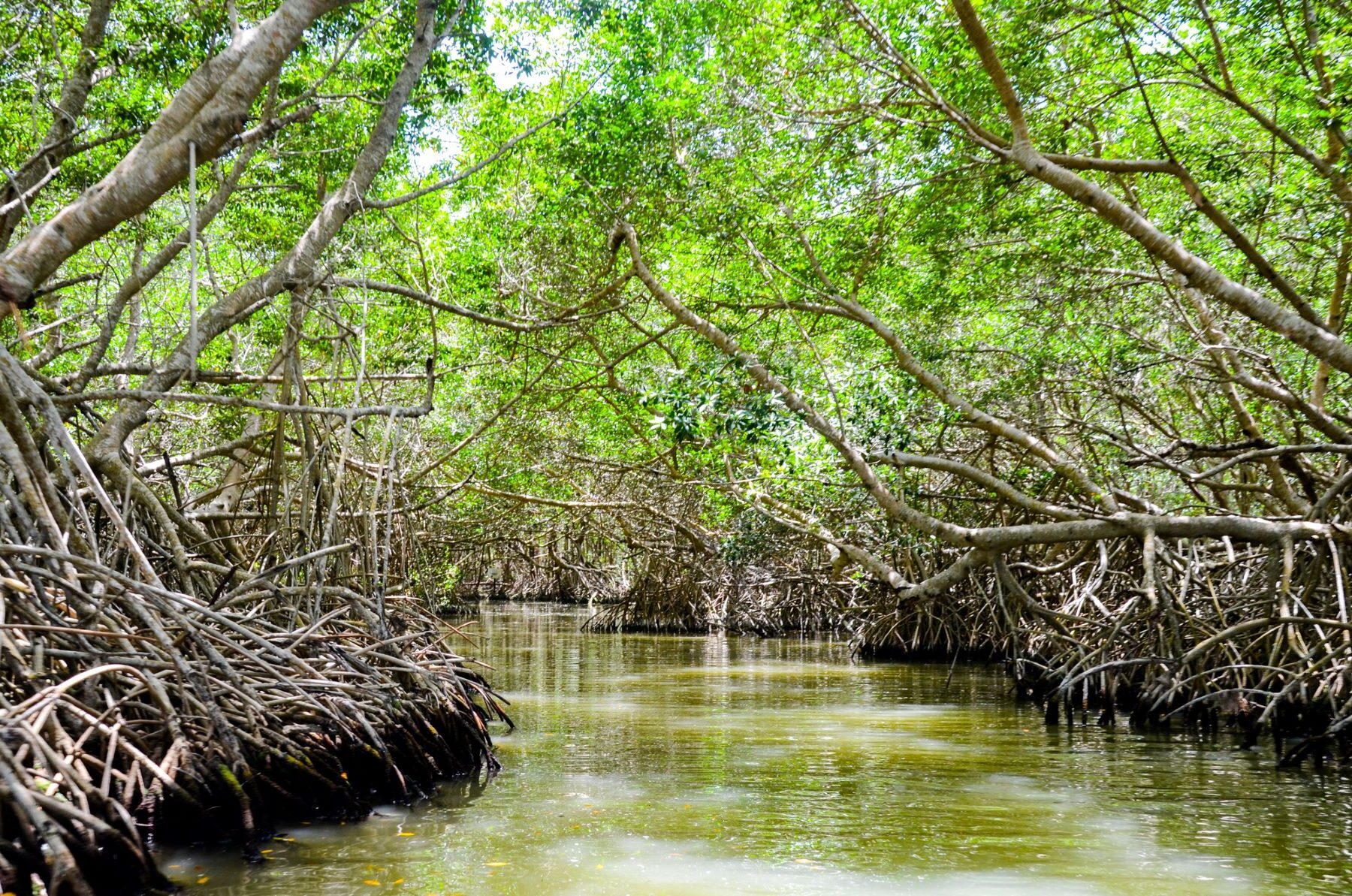
The Government of Ecuador announced an investment of four million dollars to strengthen the protection and conservation of mangrove ecosystems. Mangroves are considered one of the country’s most strategic and threatened natural environments.
The resources come from a donation by the Green Climate Fund (GCF) and were channeled through the Ministry of Environment and Energy as part of the Mangroves for Climate project, which seeks to ensure the environmental and economic sustainability of the communities that depend on these coastal forests.
A model of community management
The investment was realized through the capitalization of the Mangroves for Climate sub-account, a financial instrument that ensures the permanence of the Agreements for the Use and Custody of Mangroves (AUSCEM). This model grants community organizations the responsibility to conserve and sustainably use the mangroves, reinforcing the shared responsibility between the State and local communities.
The announcement was made within the framework of actions promoted by President Daniel Noboa, who has prioritized the environmental and climate agenda within his administration.
Institutional and financial articulation
The initiative is led by the Ministry of Environment and Energy, with the co-execution of Conservation International Ecuador and the financial articulation of the Sustainable Environmental Investment Fund (FIAS). This scheme combines public resources, international cooperation, and community participation, ensuring a transparent and sustainable management of the funds.
The resources will be managed through the Socio Bosque/Socio Manglar program, which encourages the protection of fragile ecosystems through economic compensations to communities and local organizations. The initial capitalization will directly benefit 20 community organizations, strengthening the sustainability of the custody agreements in the long term.
Strategic areas of implementation
The project will be deployed in four key estuaries:
- Cayapas-Mataje, on the northern border.
- Muisne, in the province of Esmeraldas.
- Gulf of Guayaquil.
- Jambelí Archipelago, in El Oro.
These areas concentrate high biodiversity and fulfill essential functions: coastal protection against floods, carbon capture, and support of economic activities such as artisanal fishing and shellfish collection.
Social and environmental benefits
According to official projections, the actions planned over six years will allow:
- Improving the livelihoods of more than 41,500 people directly or indirectly linked to the mangroves.
- Strengthening the protection of at least 3,400 inhabitants against climate risks such as floods and extreme events.
- Reducing the loss of mangrove cover, historically pressured by shrimp aquaculture, urbanization, and pollution.
- Avoiding the emission of approximately 4.6 million tons of CO₂ equivalent, contributing to the country’s climate commitments.
Currently, Ecuador has 90 Agreements for the Use and Custody of Mangroves in force, benefiting more than 6,000 people in various coastal provinces. This model has been recognized as a regional reference for its shared responsibility approach in the protection of strategic ecosystems.
The announcement of this investment comes in a context of debate on the need to strengthen environmental protection against climate change and extractive activities. The capitalization of the Mangroves for Climate sub-account constitutes a decisive step to consolidate long-term financial mechanisms, aimed not only at the conservation of mangroves but also at the well-being of coastal communities that depend on them.



