



The sustained increase in temperatures led the Netherlands to strengthen its national heatwave plan, a strategy aimed at reducing health risks and adapting cities and homes to an increasingly demanding climate.
Traditionally, Dutch architecture was designed to maximize sunlight and retain heat during the long winters. However, this same construction model now poses a challenge in the face of warmer summers associated with climate change.
In cities like Amsterdam, public health specialists are promoting campaigns to encourage simple measures to reduce the entry of solar radiation into homes. These include installing curtains, fabrics, or awnings outside windows to reduce the heating of indoor environments.
Furthermore, authorities warn that the impact of extreme heat is already reflected in the health of the population. Therefore, the country seeks to strengthen prevention before temperatures reach critical levels.
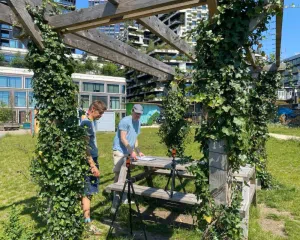
Innovative solutions for more resilient cities
While the national government disseminates recommendations to protect the elderly and other vulnerable groups, researchers and urban planners are developing alternatives aimed at improving thermal comfort in public spaces.
On one hand, the installation of artificial trees, shade structures, and urban works designed to reduce direct sun exposure is being studied. Additionally, projects for pergolas covered with vegetation and mobile green blocks that can be moved according to the needs of each neighborhood are advancing.
Unlike traditional cooling systems, these initiatives aim to reduce energy consumption and limit emissions associated with the massive use of air conditioning.
Moreover, engineering specialists highlight that protecting buildings with awnings, exterior blinds, and shading elements is one of the most effective strategies to maintain lower indoor temperatures during periods of extreme heat.
How to protect health during heatwaves
The high temperatures can seriously affect the body, especially in children, the elderly, and those with chronic illnesses.
Among the most common problems are dehydration, heat strokes, physical exhaustion, cardiovascular alterations, and respiratory complications. Additionally, excessively warm nights make it difficult to rest and increase physiological stress.
To reduce risks, specialists recommend staying constantly hydrated, avoiding intense physical activities during the central hours of the day, and staying in cool or well-ventilated places.
It is also important to wear lightweight clothing, protect oneself from direct sunlight, and pay special attention to family members, neighbors, and vulnerable people who may need additional assistance during extreme heat episodes.
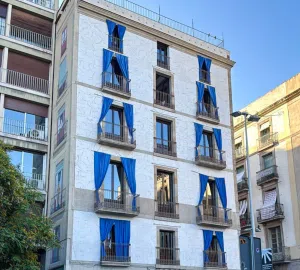
Urban vegetation as an ally against warming
The incorporation of green infrastructure appears as one of the most effective tools to adapt cities to climate change.
The expansion of parks, biological corridors, green roofs, and vegetated facades helps reduce ambient temperature, improve air quality, and promote urban biodiversity.
Additionally, trees provide shade, reduce the heat island effect, and help retain moisture in the urban environment. These ecological functions generate direct benefits for both human health and the numerous species that inhabit cities.
Therefore, experts and authorities agree that combining traditional solutions, technological innovation, and more green spaces will be essential for the Netherlands to successfully face the challenges of an increasingly warm climate.



