



On August 1st, as every year, the Day of Pachamama is celebrated in different regions of South America to honor Mother Earth.
In Quechua and Aymara communities in the Andes, from Argentina, Bolivia, and Peru to Chile, Ecuador and Colombia, ancestral ceremonies are held, both communal and familial or individual.
The most popular one is usually the “caña con ruda,” but in all of them, the Earth is thanked through offerings for everything she provides.
Day of Pachamama: what is the origin
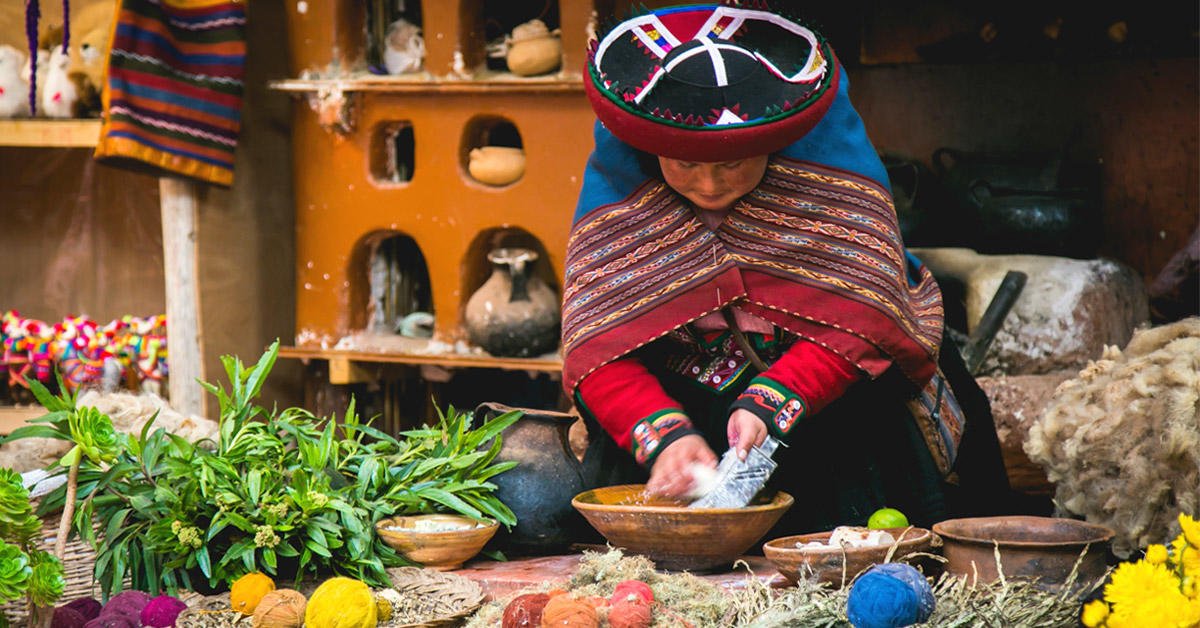 Day of Pachamama.
Pachamama, which in Quechua language literally means “Mother Earth,” represents the essential principle that sustains life.
During August, offerings of food, drinks, dry leaves, tobacco, sweet foods, and words are made to her. A hole is opened in the ground, incense is burned, prayers are said, and caña con ruda is drunk. This practice is known as corpachada, intertwining ancestral memory, spirituality, and ecological awareness.
But in recent years, the celebration has extended beyond indigenous territories. In cities throughout the region and even in other parts of the world, thousands of people join the ceremony in squares, cultural centers, and homes as a way to reconnect with the Earth.
In northern Argentina, the Day of Pachamama is observed more intensely. Although the commemoration extends throughout the month, it is on August 1st that, according to tradition, the central offering ceremony to Mother Earth takes place.
For the Quechua, Aymara, and other Andean communities, Pachamama is a daily presence: they speak to her, ask her, and thank her.
Tafí del Valle, Tucumán, for example, will be the setting for two ceremonies open to the public, and the Host Club has disseminated information in local media for those in the area or who wish to organize their visit to participate in these ancestral traditions.
Some of the most popular rituals on August 1st
1. La challa or “pago a la tierra”
It is the central ritual in all Andean celebrations. Beverage is sprinkled on the ground (wine, beer, chicha, water) as a gesture of offering and gratitude to Pachamama for her generosity.
Commonly, a hole is dug where items like cooked foods (potatoes, fava beans, jerky), coca leaves, tobacco, flowers, seeds, or cigarettes are placed. In some places, a clay pot is buried with foods as a symbol of fertility and abundance.
2. Caña con ruda
This Guarani tradition, adopted in provinces in northeastern Argentina and Paraguay, consists of macerating rue leaves in cane or aguardiente and drinking a small sip (3 or 7 times). It is done early on an empty stomach on August 1st to attract health, protection, and good energy.
It is considered a spiritual medicine and is part of reciprocity with Pachamama.
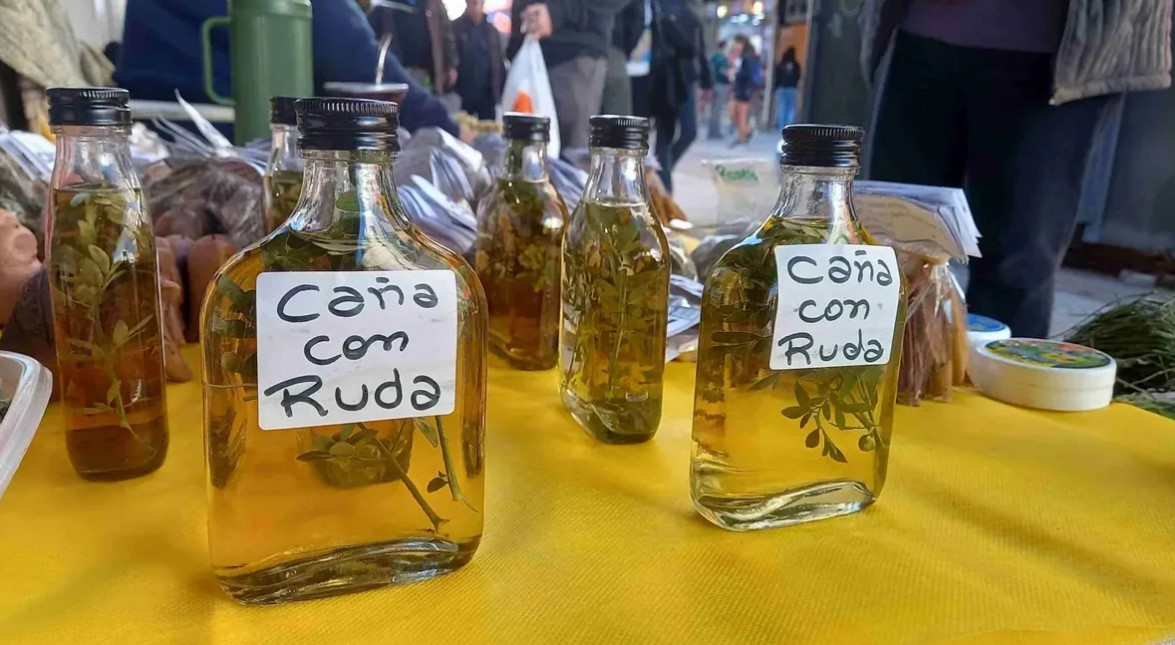 Caña con ruda, the most well-known ritual.
3. Sahumar and clean the home
Before dawn, the spaces are swept and discarded items are burned to cleanse negative energies, especially in regions like Jujuy or Salta.
Then, incense is burned with herbs like rosemary (protection), lavender (calm), laurel (success), palo santo, sage, or copal, depending on what you wish to attract or purify.


