



The water crisis in Mendoza is now consolidating as one of the worst in its history. In the midst of this situation, the provincial Government authorized the drilling and exploitation of five new groundwater wells and sparked strong criticism.
It appears that these actions benefit companies associated with businessman Eduardo Elsztain, one of the largest landowners in the country.
The decision, published in the Official Gazette, has stirred controversies and protests amid an extreme scarcity scenario. Experts and environmental organizations warn about the depletion of water reserves in the agricultural and urban areas of western Argentina.
Controversial authorization amidst the water crisis in Mendoza
The five approved wells are located in the San Rafael department, within an area declared in a state of hydrological emergency according to state of hydrological emergency.
Despite this, the General Irrigation Department of Mendoza authorized the extraction of groundwater for productive purposes for the agro-industrial group’s establishments.
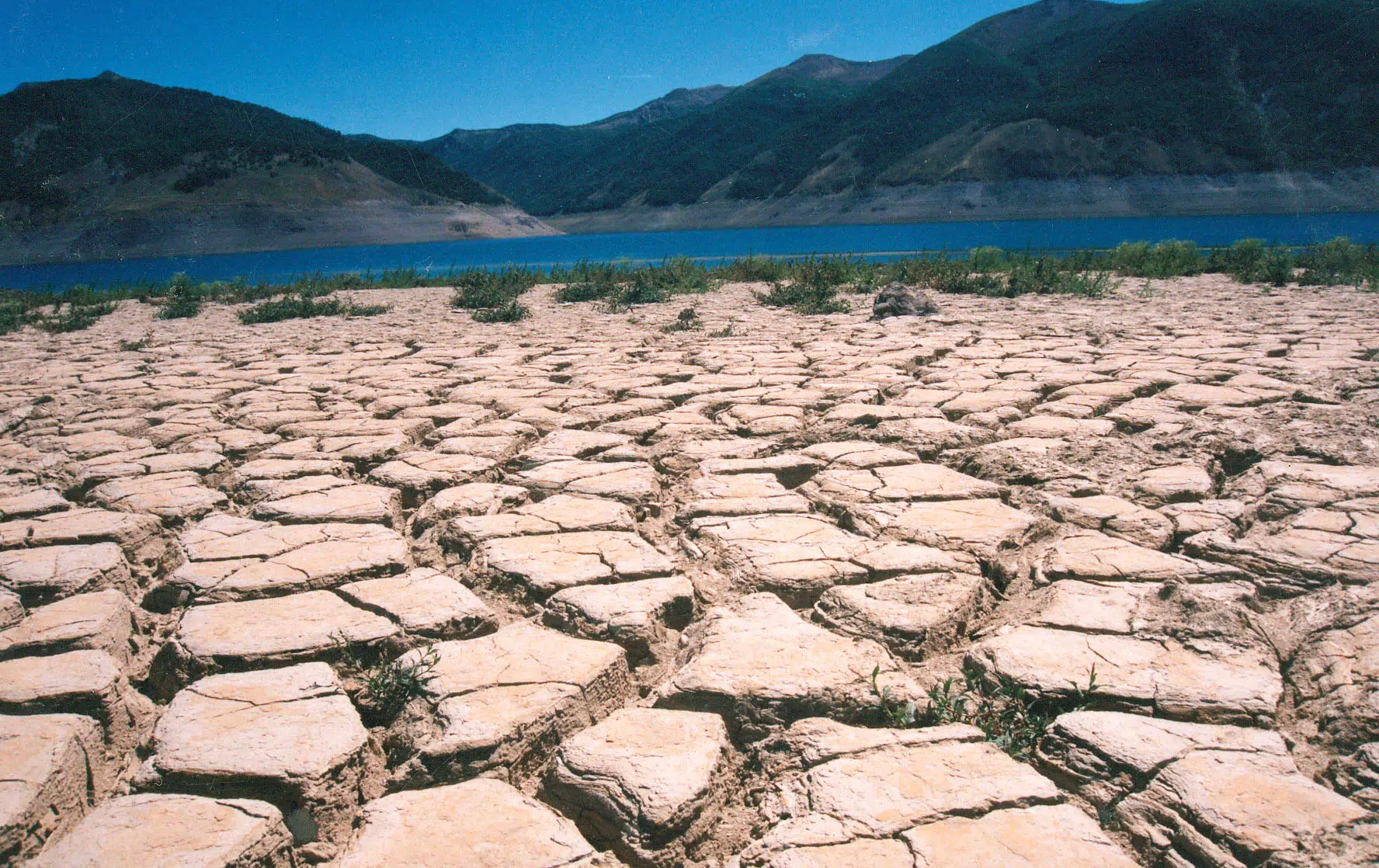
The beneficiary is businessman Eduardo Elsztain, president of IRSA and Cresud, companies that own thousands of hectares in the region. It has been reported that the extracted water will be used for intensive crops in an area where many small producers face severe restrictions on watering their fields.
Environmental concern over the overexploitation of resources
Environmental organizations and hydrology experts warn in this context about the imbalance in water usage, especially in arid regions like Mendoza.
There, availability largely depends on glacier melting and Andean precipitation.
The extraction of groundwater without adequate control could deepen desertification and affect the aquifers’ balance. The wells recharge at a much slower rate than the resource is being extracted.
Critics argue that the measure benefits large economic groups at the expense of equitable access to water for rural communities and small producers.
Water, production, and environmental justice: the debate on the table
 The water crisis.
The approval of these new wells once again sparks a debate on water management in regions with water scarcity and the need to implement policies that prioritize sustainable, equitable, and transparent use of resources.
As climate change worsens water availability throughout the country, experts insist on the need to strengthen environmental planning, ensure fair access to water resources, and promote agricultural practices adapted to new climatic conditions.



