



A recent study revealed that over 21% of the ocean is darkening. This is a phenomenon that has affected the seas in the last two decades.
This affects the depth of the photic zones essential for marine life. What does it mean and what causes it?
Ocean darkening: what it is and why it occurs
Ocean darkening refers to the reduction of light penetration in surface waters, which decreases the depth of the photic zones.
These zones are fundamental for marine life, as they host approximately 90% of species and facilitate ecological processes driven by solar and lunar light.
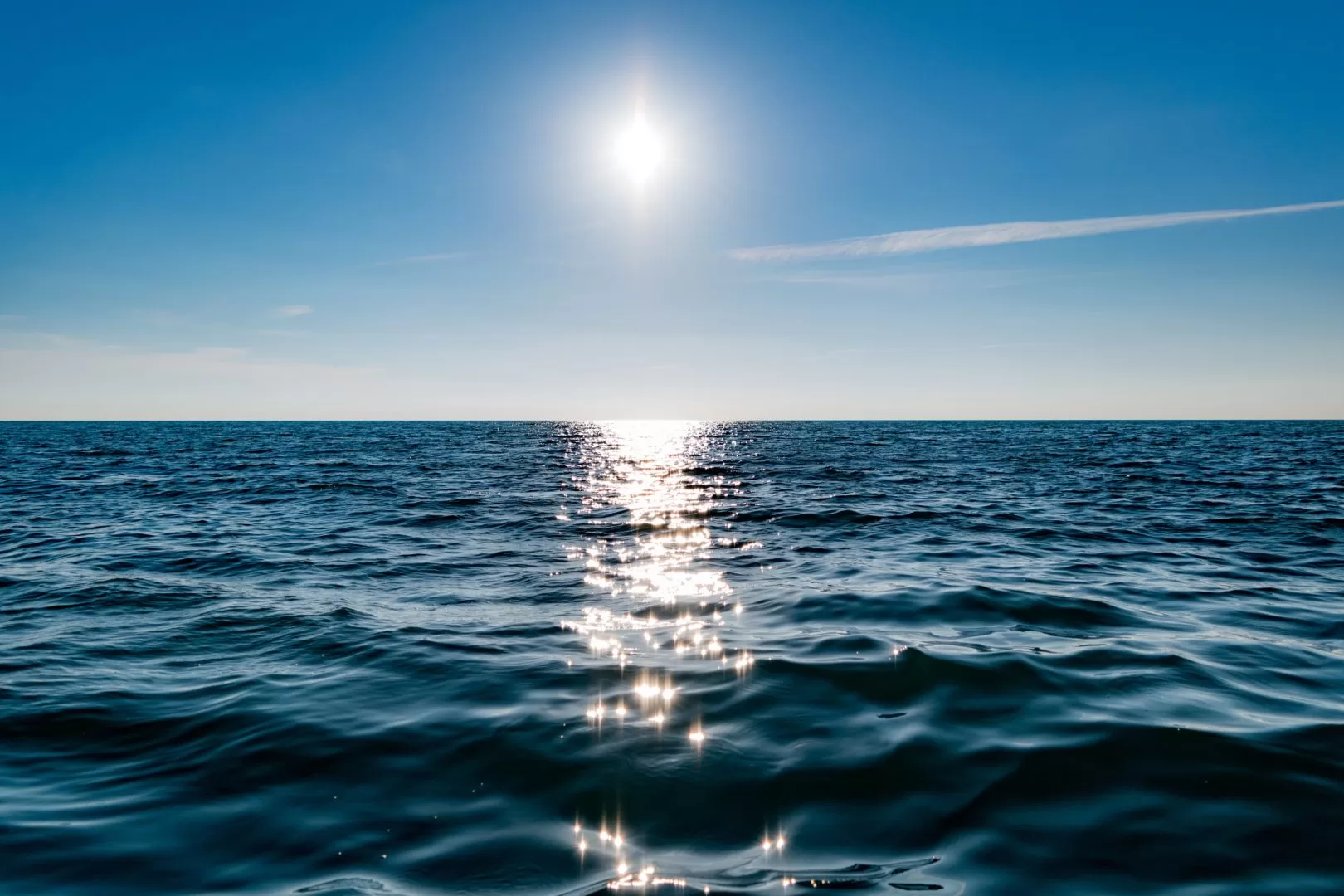 Ocean darkening.
The study published in the journal Global Change Biology used satellite data and numerical models to analyze changes in the depth of the photic zones between 2003 and 2022. The main results indicate that:
-
Over 21% of the global ocean has experienced darkening, affecting coastal areas and open sea.
-
More than 9% of the ocean has seen a reduction in the depth of the photic zone by over 50 meters.
-
2.6% of the ocean has seen this depth reduced by over 100 meters.
Ocean darkening is caused by a combination of factors, including:
-
Agricultural runoff: excess nutrients and sediments from agriculture affect water quality.
-
Increased precipitation: intense rains can increase the load of sediments and organic matter in the waters.
-
Changes in plankton dynamics: alterations in plankton communities can influence water coloration.
-
Variations in sea surface temperature: warming waters can affect light penetration.
Consequences for marine life
The reduction in the depth of the photic zones can have serious consequences for marine ecosystems, as it limits the availability of light for photosynthetic organisms and affects the marine food chain.
Furthermore, darkening can influence global biogeochemical processes and the ocean’s capacity to absorb carbon dioxide, contributing to climate change.
Ocean darkening is a concerning phenomenon, according to scientists, and requires urgent attention. It is essential to implement sustainable management policies and protect marine ecosystems to mitigate its effects and preserve marine biodiversity.



