



Sand flies are very small insects, often invisible, but with a simple painful bite, they can become a serious health problem for humans. These tiny insects live in tropical and subtropical areas. Belonging to the Ceratopogonidae family, sand flies are known for their ability to transmit various diseases to humans, making them a serious risk, especially in rural and coastal areas.
The main risk these insects pose lies in their ability to transmit viruses and parasites. Among the most common diseases that sand flies can transmit are West Nile virus, leishmaniasis, and various forms of arboviruses (arthropod-borne diseases). Cutaneous leishmaniasis, which affects the skin and mucous membranes, for example, is one of the most common diseases in Latin America and Asia, or the West Nile virus, transmitted by these insects, which can cause severe symptoms such as high fever, encephalitis, and, in extreme cases, death.
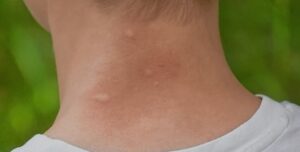
What is most concerning about the presence of these insects is their ability to rapidly proliferate in warm and humid environments. In fact, sand flies are attracted to areas with stagnant water, favoring their reproduction, and their bites are especially dangerous during the warmer months of the year. Despite their small size, they can cause skin irritation, and their bites are very painful.
In coastal regions, the increase in tourism and climate change have favored the expansion of these insects. Moreover, sand fly bites can cause severe allergic reactions, adding more public health concerns to this already complex scenario.
How to prevent diseases transmitted by sand flies?
To prevent diseases transmitted by sand flies, it is essential to adopt different protective measures, such as using repellents, appropriate clothing, and installing mosquito nets in vulnerable areas.
In this sense, prevention is key to reducing the impact of these tiny disease vectors that threaten health in various parts of the world. Another key action is to prevent the fly from reproducing by avoiding the accumulation of containers with water that remain in the shade.
Additionally, it is important to consider that upon being bitten by these flies, it is recommended to apply alcohol and avoid scratching, as bacteria can enter the body through lesions and cause infections.
Do you already know our YouTube channel? Subscribe now!


