



Argentine and German researchers published the book “Ecology, Structure, and Dynamics of Northern Patagonia Forests and Implications for Ecosystem Management” (Springer, 2026), where they detail restoration and conservation strategies that integrate social well-being, community participation, and environmental sustainability.
Scientists Gabriel Loguercio (CIEFAP, UNPSJB, Esquel) and Thomas Kitzberger (INIBIOMA, UNComahue-CONICET, Bariloche), along with colleagues from Germany, emphasize that nature-based solutions are key tools to tackle climate change, environmental degradation, and biodiversity loss in northern Patagonia.
Nature-Based Solutions
These strategies include:
- Restoring degraded native forests.
- Transforming exotic monocultures into more diverse systems.
- Reducing wildfire risks through community landscape management.
- Recovering soils and watersheds to ensure clean water.
- Creating biological corridors that promote the mobility of fauna and flora.
The goal is for ecosystems to regain their functionality and provide tangible benefits: drinking water, climate regulation, protection against natural disasters, and resource provision for communities.
Experiences in the Region
Pilot projects in Patagonia show that restoration progresses when combined with:
- Quality seedlings.
- Protection from sun and wind.
- Practices adapted to local conditions.
Success depends on collaboration between scientists, NGOs, state agencies, and local communities, working together in design, implementation, and monitoring. The integration of scientific knowledge and local wisdom allows for technique adjustments and better addressing challenges.
Obstacles and Challenges
Among the main difficulties are:
- The need for long-term policies.
- Stable financing to scale successful practices.
- Greater institutional coordination.
- Change in social perception about fire and the importance of community management.
The authors aim to build multifunctional, resilient, and productive landscapes, where conservation and sustainable use benefit both nature and people.
Ecosystem Services in Patagonia
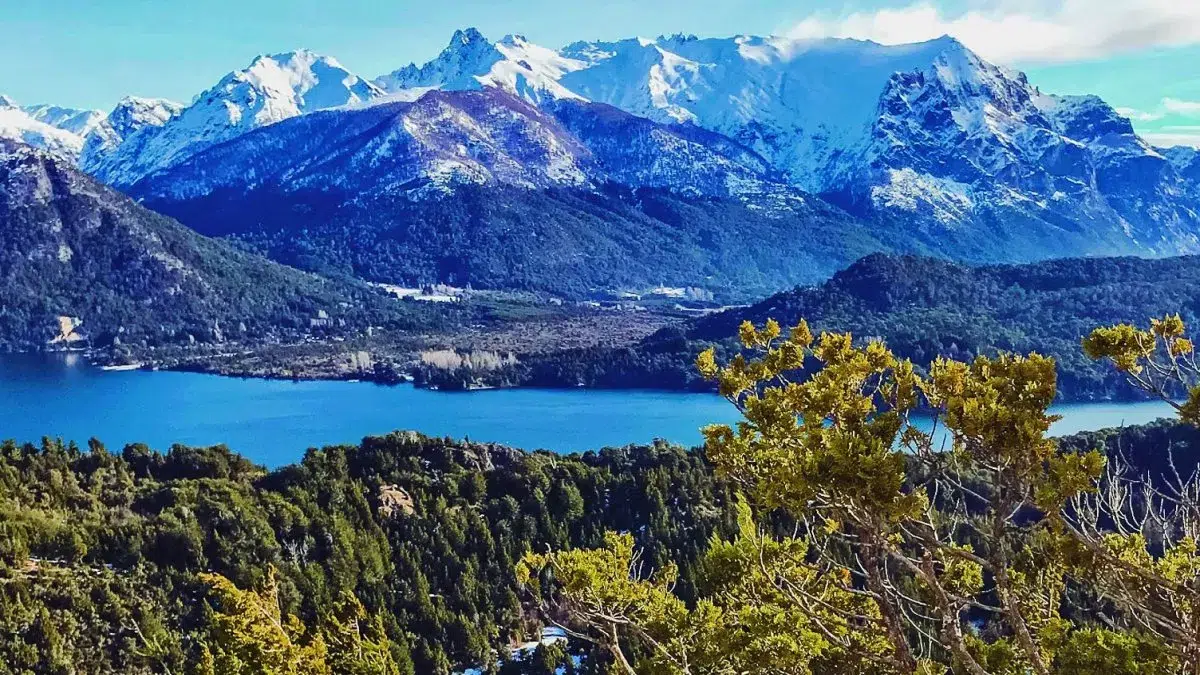
The Andean-Patagonian forests regulate the water cycle, prevent erosion, and control floods, ensuring reliable access to clean water and soil stability. Biodiversity supports productive activities such as livestock farming, tourism, and timber production, which depend on healthy ecosystems.
Moreover, natural landscapes offer spaces for recreation, environmental education, and cultural enjoyment, adding economic and social value to the region. When ecosystems are damaged by fires, invasive species, or overexploitation, these services decrease or disappear, directly affecting communities.
The book and experiences in northern Patagonia demonstrate that ecological restoration is not only a scientific challenge but also a social and cultural one. Integrating community participation, local knowledge, and international research is key to ensuring a sustainable future, where Patagonian forests continue to provide water, resources, and well-being to present and future generations.



