



A new study published in PLOS ONE concludes that the radiation-induced mutation has not caused significant genetic differences between the populations of dogs in the city of Chernobyl and the nearby nuclear power plant.
This research has important implications for understanding the effects of environmental pollution over time.
Two genetically distinct populations
Professor Matthew Breen, from North Carolina State University, led the study that analyzed two populations of dogs separated by only 16 kilometers.
Breen explains that, although they are close, they are genetically distinct. Previous research identified 391 atypical regions in the dogs’ DNA, some related to DNA damage repair.
Results and future research
Despite no evidence of significant mutations being found, the researchers do not rule out the role of selective pressures.
Megan Dillon, a Ph.D. candidate at NC State and the lead author of the study, mentions that it is possible that the dogs that survived the disaster already had genetic traits that increased their survival capacity.
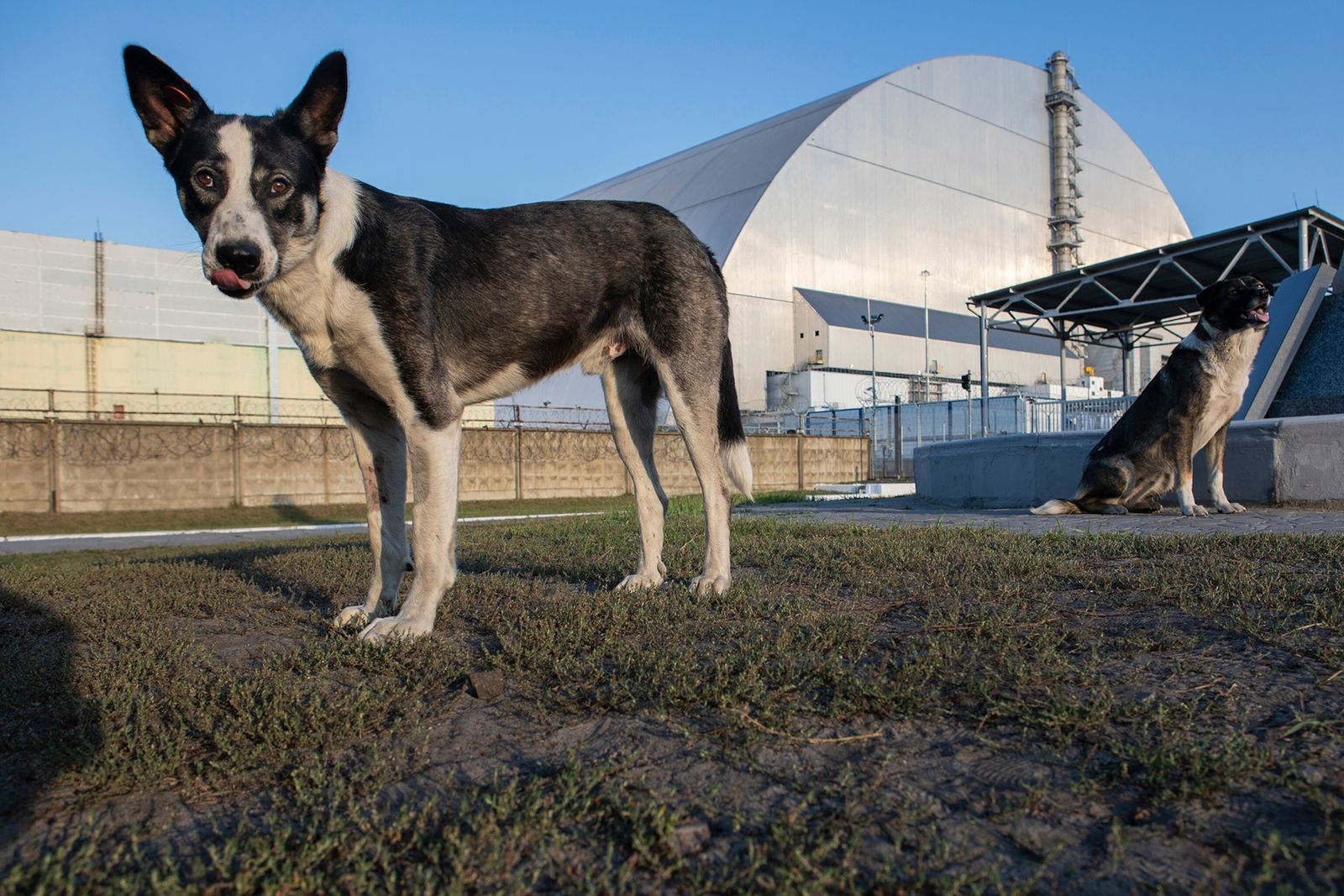
This study is part of a larger effort to understand how adverse environmental exposures affect canine and human health.
Co-author Norman Kleiman, from Columbia University, points out that the Chernobyl accident was not only a radiological disaster, but it also released many other toxins.
Studying the dogs of Chernobyl provides a window into the health risks that humans could face. In addition to the genetics of the dogs, the team identified differences in ticks and the pathogens they transmit, which could reflect diverse environmental exposures in the two locations.
Have you checked out our YouTube channel yet? Subscribe now!



