



Exploring a National Park is much more than just an excursion: it is a way to reconnect with nature, understand its rhythms, and become, even if only for a while, part of the landscape. Each trail, forest, or mountain offers a unique experience that combines adventure with environmental awareness.
From interpretive walks to birdwatching, ecotourism proposals are growing in Argentina’s parks. It’s not just about looking, but about learning and taking care. Guided by park rangers or local experts, visitors discover the native fauna, indigenous flora, and the secrets of each ecosystem.
Activities such as trekking, wildlife watching, or kayaking trips are carried out following low-impact principles. That is, they seek to enjoy the environment without altering it. The key lies in responsible planning, respect for the rules of the protected area, and commitment to its preservation.
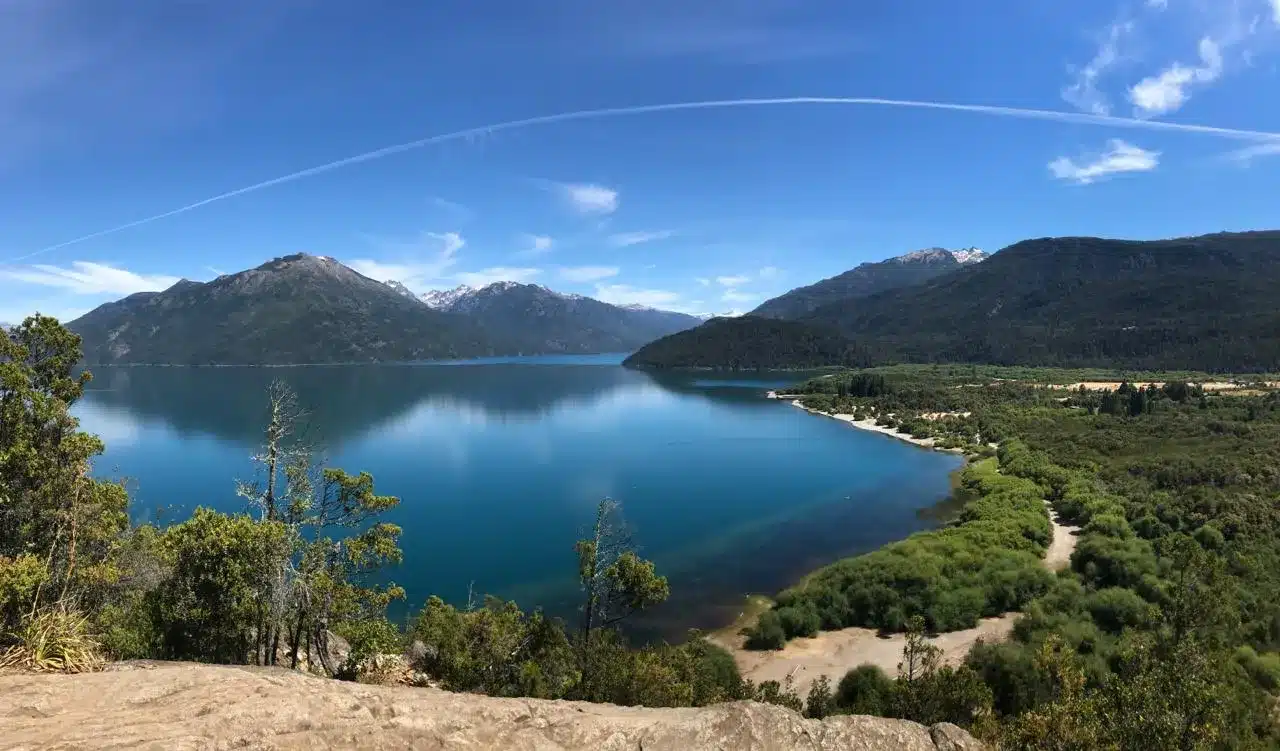 Parque Nacional Lago Puelo
Living Nature, Conscious Tourism
In parks like Los Alerces, El Palmar, or Iberá, visitors can walk trails among ancient species, navigate through lagoons surrounded by grasslands, or interact with local communities that care for biodiversity as a way of life. These experiences enrich and educate.
Ecotourism promotes a more equitable relationship between people and the environment. By choosing it, sustainable economies in the surrounding regions are supported, and the natural and cultural heritage of each area is protected. Additionally, ecological awareness is fostered in participants.
Each step in a National Park can be an opportunity to look differently, enjoy the environment, and understand that there is no better adventure than taking care of what is still alive.
 Parque Nacional los Alerces
National Parks, the Healthiest and Most Ecological Options
National parks offer an ideal alternative for those seeking nature-oriented vacations, far from urban noise and mass tourism. These protected spaces safeguard unique landscapes, from forests and mountains to wetlands and deserts, providing immersive experiences.
In addition to the scenic value, parks are living classrooms where both adults and children can learn about biodiversity, conservation, and local culture. Activities such as hiking, wildlife watching, or guided walks invite you to enjoy without causing harm, promoting responsible and educational tourism.
Choosing a national park as a destination also has a positive impact: visitor income contributes to the development of nearby communities and financing environmental protection. Thus, each trip becomes a form of relaxation that also cares for the future of the planet.


