



The heat in summers turns cities into increasingly powerful ovens due to global warming and the urban heat island phenomenon. However, planting trees can be a solution.
But it’s important to consider that they are not all the same. On the contrary, there are species, according to a recent study, that work much better to counteract that effect.
This concentration of high temperatures, caused by materials such as asphalt, building density, and traffic, severely affects the health and well-being of citizens.
### Why heat intensifies in cities
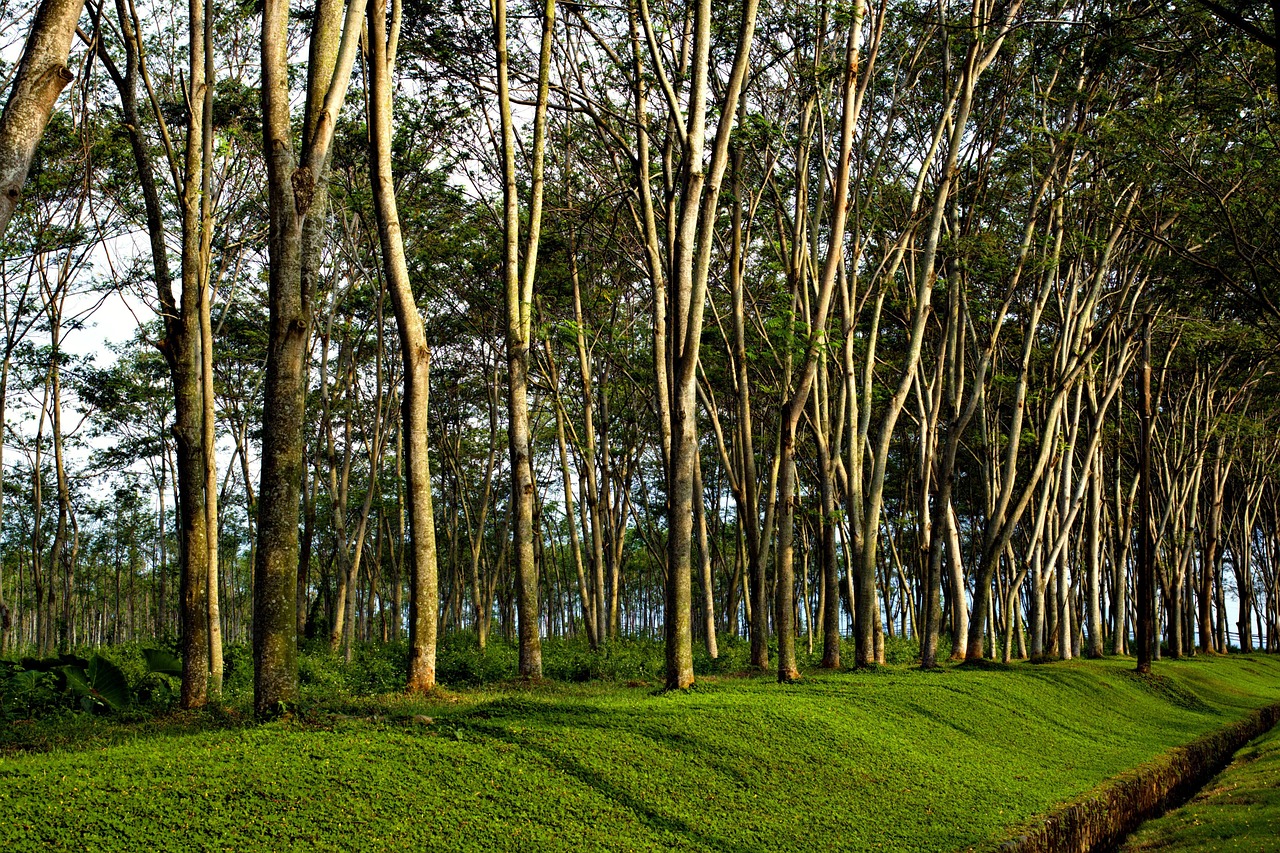
Cities are built with materials that absorb and retain heat during the day, slowly releasing it at night. This effect, combined with little vegetation, creates a difference of up to 8°C compared to rural areas.
Tall buildings and narrow streets trap heat, a phenomenon known as the “urban canyon effect,” which causes an increase in tropical nights, meaning when the temperature does not drop below 20°C.
### The power of evapotranspiration, what it is and what effect it produces
Trees not only provide shade but also cool the air through evapotranspiration. This natural process combines water evaporation from the soil with leaf transpiration, significantly reducing the environmental temperature, especially on the hottest days.
However, to maximize this effect, it is crucial to choose the right species. A study carried out in Valencia, Spain, and disseminated by The Conversation highlighted the effectiveness of three tree species:
– The Chinaberry tree (*Melia azedarach*)
– The Japanese cheesewood (*Pittosporum tobira*)
– The English Elm (*Ulmus minor*)
These trees, with their dense canopies and large leaves, are ideal for creating cool microclimates, although it is vital to consider their origin, prioritizing native species to avoid ecological risks.
### Planning for a cooler future
The distribution of trees in cities is usually uneven, concentrating in parks and main avenues, leaving the most vulnerable neighborhoods with little or no vegetation. To combat urban heat, it is not enough to plant more trees; strategically planning where and what species are used is necessary.
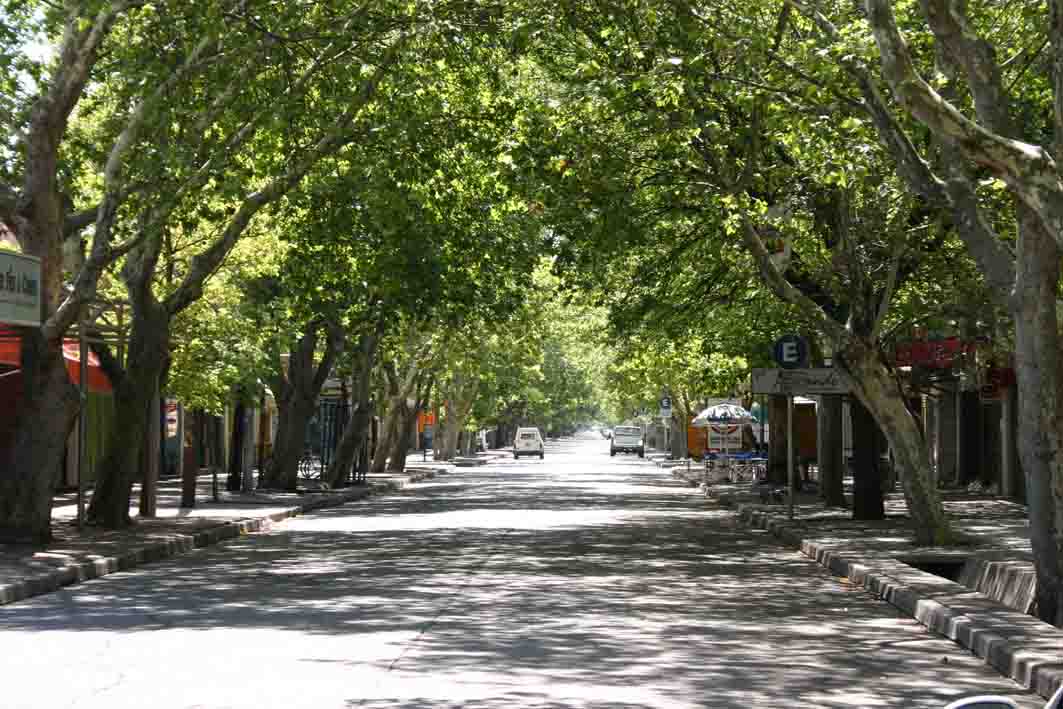
The key is to select trees adapted to the local climate, with a high capacity for shade and evapotranspiration. Additionally, it is essential to prioritize the most affected and least green areas, and involve the community in reforestation projects.
Ultimately, for a large-scale impact, tree planting must be integrated into a green infrastructure network, connecting parks and natural spaces.
Planting trees is essentially an investment in climate infrastructure. It is a measure of urban planning that not only combats heat but also improves air quality, increases biodiversity, and contributes to the well-being and health of all citizens.



