



An unexpected discovery in a cemetery in Leipzig led to a revolution in plastic recycling. The PHL7 enzyme, capable of degrading over 90% of PET in just 12 hours, spurred the creation of ESTER Biotech, a German startup that advocates for an ecological and efficient solution to the global problem of plastic waste.
The company uses an enzymatic hydrolysis process to break down plastic into its original components. Unlike mechanical or chemical recycling, this technique does not generate toxins, does not require high pressure, and allows for the recovery of materials without loss of quality. It can even process multilayer plastics, considered impossible to recycle until now.
With just 0.06% of enzyme, the system achieves deep and clean recycling. Furthermore, its energy consumption is low, making it an ecological and scalable alternative. Artificial intelligence also plays a key role, helping to design new enzymes tailored to different types of waste.
Currently, ESTER Biotech operates on a small scale, but already plans to expand with large industrial reactors. The goal for 2030: recycling 45,000 tons of plastic per year with green technology.
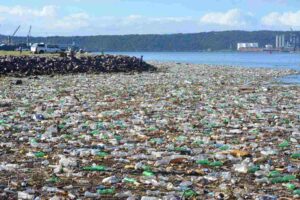 The existence of the enzyme could help combat plastic pollution.
Controversy over the PHL7 enzyme in plastic recycling
The PHL7 enzyme was celebrated for its ability to break down PET plastics in a few hours, but its widespread use raised concerns among certain environmental sectors. Although it does not use toxic chemicals, its industrial application requires temperature and handling conditions that could disrupt ecosystems if not properly controlled.
Experts warn that the accidental release of this enzyme into natural environments could affect the biodegradation of non-target organic materials. By acting on ester bonds, there is a risk that it may interfere with natural decomposition processes, altering biological cycles in soils or bodies of water.
Furthermore, large-scale production of PHL7 requires intensive biotechnological fermentation, which could lead to emissions or waste if industrial plants do not adhere to strict sustainability standards. This raises questions about the overall environmental footprint of the process, beyond its laboratory efficiency.
Although no direct negative impact has been demonstrated, several scientists are calling for clear regulations and continuous monitoring. Ensuring that the enzyme does not pose an indirect threat is key to its acceptance as an ecological solution and not a new environmental risk.
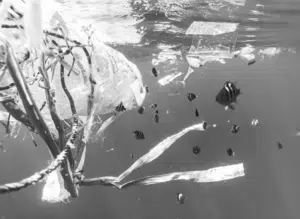 ESTER Biotech discovered the existence of an enzyme that helps reduce plastic pollution. Photo: ESTER Biotech.
From toxic waste to circular resource
ESTER’s model, which features the existence of an enzyme that helps reduce plastic pollution, goes beyond recycling: it proposes true upcycling. Instead of turning waste into lower-quality plastics, it recovers pure materials suitable for new high-value products, including synthetic textiles and bioplastics like PLA or PBAT.
This approach would help avoid incineration, reduce CO₂ emissions, and eliminate the need for oil in the production of new plastics. It also addresses the most problematic waste, such as dirty or multilayer plastics.
With competitive prices and the support of European sustainability policies, ESTER Biotech could transform up to 18 million tons of plastic annually by 2050. The future of recycling, more than mechanical or chemical, could be enzymatic.
Innovation, science, and environmental awareness come together to offer a real solution to the global plastic crisis. ESTER Biotech demonstrates that change begins at a molecular level.


