



A recent scientific study confirmed an extreme phenomenon that occurred in September 2023 in Greenland. After a glacial collapse, a megatsunami with waves up to 200 meters high was generated.
The global seismic tremor lasted for nine days and approximately 25 million cubic meters of rock and ice were released.
The collapse of a glacier triggered an unprecedented event
The event unfolded when a 1200-meter-high mountain collapsed into Dickson Fjord in eastern Greenland.
This collapse released approximately 25 million cubic meters of rock and ice, generating an initial wave of 7.9 meters that, when trapped in the narrow channel, amplified its force to reach monumental proportions.
Now, a report published by Nature Communications and developed by scientists from the University of Oxford determined that the event was a direct consequence of the accelerated warming of Arctic glaciers.
 The consequences of the phenomenon that occurred in Greenland.
Rising temperatures are weakening the stability of these millennia-old formations, creating conditions prone to massive break-offs and glacial tsunamis.
Seismic signals and global warning
The impact was so intense that it generated a seismic signal that lasted for nine days, detectable globally.
This phenomenon, now classified as one of the most significant megatsunamis linked to climate change, serves as a wake-up call to the international community about the silent dangers lurking in polar regions.
The confirmation of the cause of the megatsunami was made possible thanks to data obtained by the SWOT (Surface Water and Ocean Topography) satellite, a joint project of NASA and CNES launched in December 2022.
This event alerts the scientific community due to:
-
Evidence of climate impact in remote areas.
-
Increasing risk of extreme events due to Arctic thawing.
-
Urgent need for glacier monitoring and preventive measures.
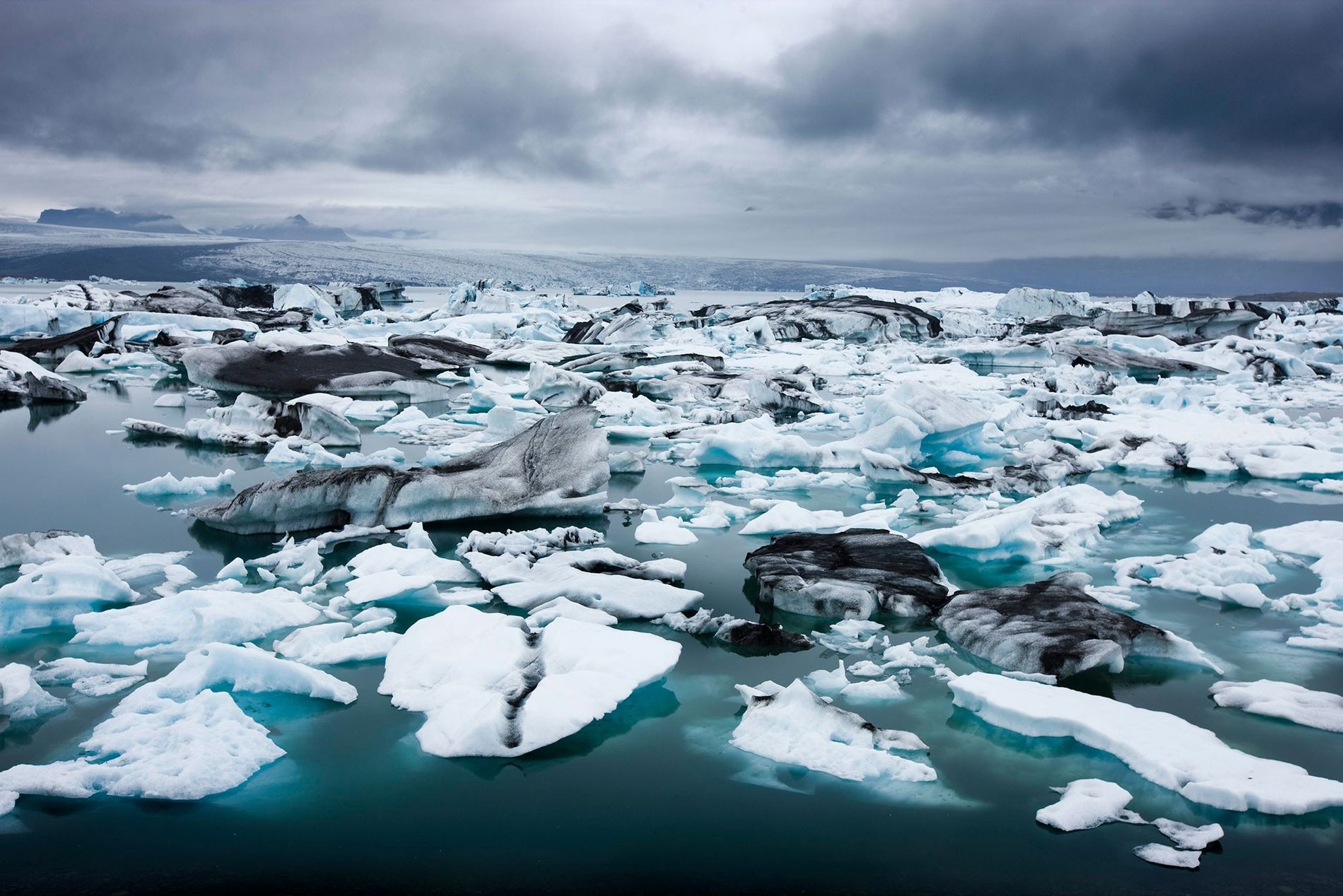 It was triggered by the collapse of a glacier.
This case reinforces the importance of taking immediate action to curb climate change and protect not only ecosystems, but also coastal populations that could face similar risks in the future.



