



Extreme weather events impact railway networks and force operators around the world to invest billions in adapting their infrastructures, while governments allocate record funds to prevent derailments and collapses.
Germany requests 150,000 million euros and USA mobilizes 66,000 million dollars due to flooded tracks, buckling from heat, and floods that paralyze services.
Urgent Investments in Response to the Crisis
Railway network operators face multimillion-dollar annual costs just in basic maintenance, according to Olcha Inoski, a professor of civil engineering and infrastructure expert.
The Biden administration allocated 66,000 million dollars to railway projects, including the country’s first high-speed lines. In Germany, the state-owned company Deutsche Bahn requested 150,000 million euros after suffering losses of 2,700 million in 2023, attributed to track deterioration and increased passengers.

Heat: The Invisible Enemy of Railway Networks
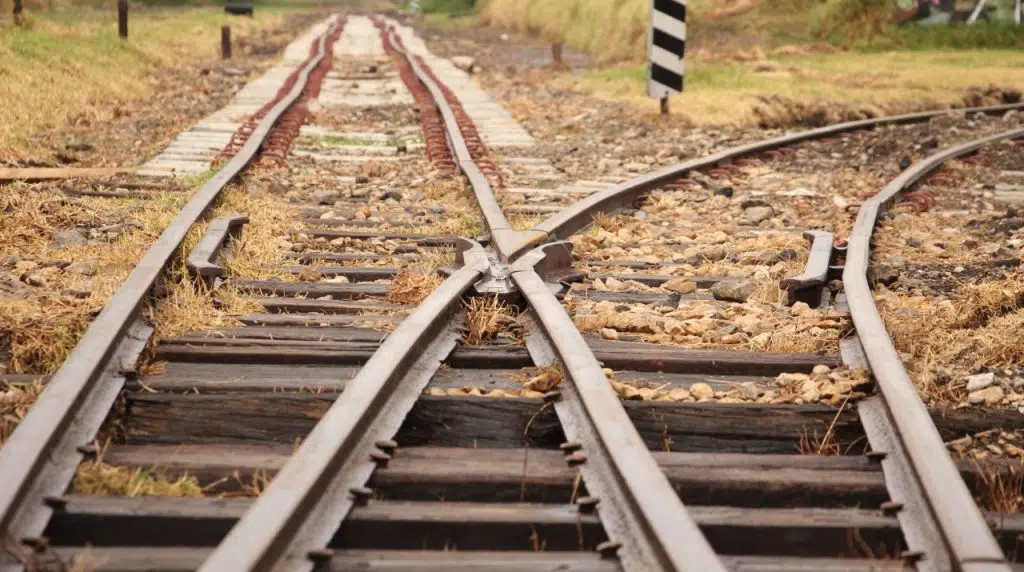
In regions like Texas, where temperatures exceed 40°C, the rails expand and buckle, deforming in fractions of a second. This phenomenon caused an average of 50 derailments per year over four decades, with increasing risks.
In France, operators reduced speeds 300 times in 2022 to prevent accidents, resulting in 50,000 minutes of delays and a socioeconomic impact of 10 million euros. “Heat can deform structures in an instant,” say engineers.
Latin America: Vulnerability and Projects
Although with less extensive railway networks, the region suffers severe damages.
In Argentina, a train derailed in 2018 after tracks bent in Goalan, while Brazil faced 800 km of unusable tracks due to floods in Rio Grande do Sul, with estimated repairs costing 730 million euros.
Mexico is adapting the Maya Train following recommendations from the Mexican Transport Institute to “safeguard infrastructures.” The CAF (Development Bank of Latin America) foresees regional investments of 150,000 million dollars, demanding planning respectful of biodiversity and communities.

Technology: Promises and Limits
Companies like Sensónica develop acoustic systems to detect threats on tracks, used in United Kingdom against thefts or in India to track elephants.
However, their technology does not identify buckling due to heat, as it would require recreating real situations to train algorithms.
Experiments like painting railway networks white in Germany failed: “Costs outweighed results,” admitted Deutsche Bahn, which is now testing perimeter vegetation and heat-resistant components.
Prevention: Lessons from Floods for Railway Networks
Austria invested 124 million euros in flood protection before the Boris storm in 2023, which unloaded five times the monthly average rainfall in four days. Thanks to retention ponds in Vienna, damages were minor. Similarly, Network Rail in the UK will allocate 3,200 million euros in climate adaptation for its tracks.
The adaptation of railway networks to extreme weather is a race against time where prevention is more cost-effective than catastrophes. Despite advancements, thousands of kilometers of tracks remain exposed to unpredictable weather, threatening one of the most efficient means for global decarbonization.


