



Villa Constitución, Santa Fe, is moving forward with a historic environmental transformation: the conversion of its old open-air landfill into a controlled final disposal site. This intervention, driven by the municipality, seeks to solve a chronic problem through an environmental engineering project designed to protect the soil and groundwater.
For decades, the landfill was a hotspot for fires, odors, and the proliferation of vectors, affecting the health and quality of life of thousands of residents. Currently, thanks to sustained technical planning and local political commitment, the site is undergoing a process of remediation and modernization.
Since 2020, the city has initiated a structural change that included collaboration with the Argentine Army to prepare the land, implement ongoing controls, and start operating under sanitary landfill regulations.
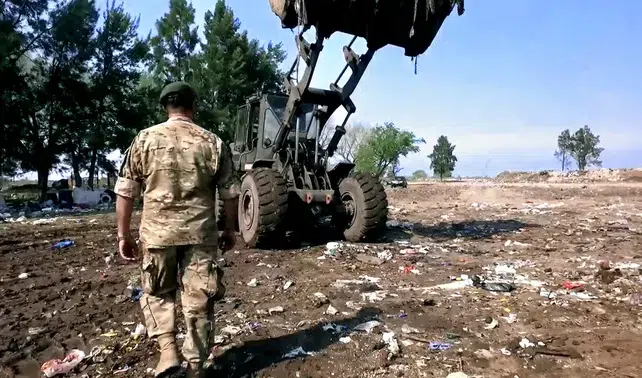 Villa Constitución advances in modern waste management. Photo: La Capital.
Technology for a Healthy Environment
Currently, a large-scale sanitary cell is being constructed, essential for proper waste treatment. The cell includes an impermeable geosynthetic liner with bentonite, which prevents leaks into the groundwater and protects the environment from leachates. Drainage systems have also been installed, and daily soil cover is applied to the waste to prevent odors and pests.
The site now has continuous surveillance, improved infrastructure, and planning that has left behind years of neglect. Additionally, the system is complemented by trained operators who maintain the site under optimal sanitary conditions and prevent new sources of contamination.
This progress is not isolated: the municipality promotes complementary policies such as source separation, differentiated collection, and recycling. Through local cooperatives and eco-centers distributed in neighborhoods, the circular economy is strengthened, and the volumes sent to landfills are reduced.
A Debt Settled with the Environment
The transformation of the landfill represents a state policy with real impact. From being a source of environmental damage, it has become a model of modern and inclusive management. The project benefits neighborhoods historically affected such as San Cayetano, Cardales, and Neumann, and sets the foundation for a more sustainable development.
This structural intervention demonstrates that it is possible to reverse decades of pollution with institutional commitment, appropriate technology, and community participation. Villa Constitución thus marks a before and after in its environmental history.
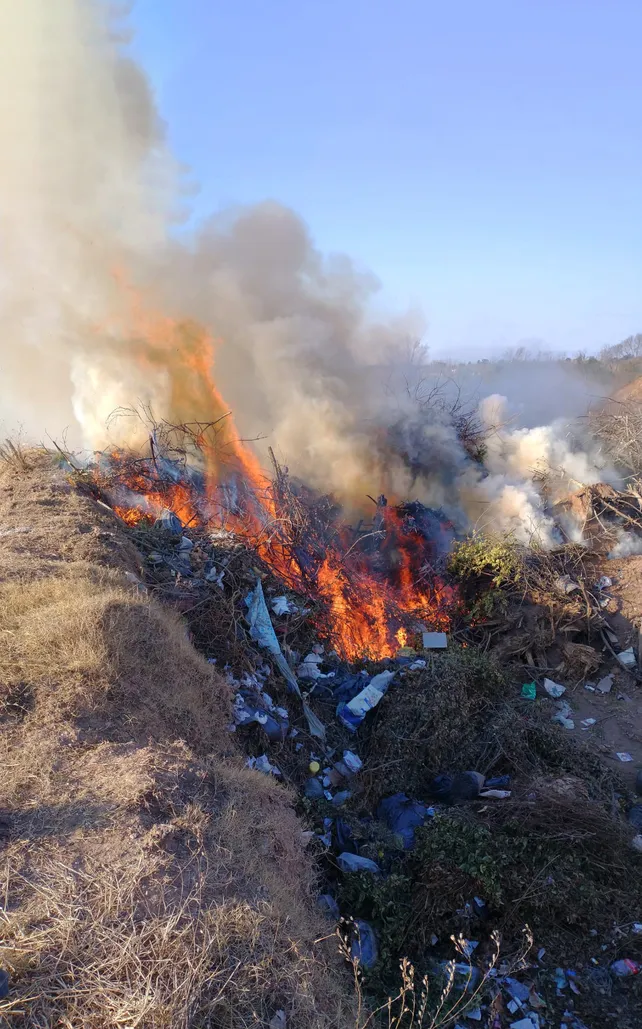 Environmental pollution in Villa Constitución, Santa Fe. Photo: La Capital.
Environmental Pollution: A Silent Health Risk
Constant exposure to contaminated environments poses a direct threat to human health. The presence of open-air landfills, contaminated water, air filled with toxic particles, and degraded soils increases the risk of respiratory, gastrointestinal, and dermatological diseases, especially in communities near landfills or industrial areas.
Children, the elderly, and those already suffering from chronic conditions are the most vulnerable. Inhaling polluted air with toxic gases or dust can trigger or worsen asthma, bronchitis, and even cardiovascular diseases. Additionally, the proliferation of vectors such as rodents and insects in areas with untreated waste favors the spread of infections and zoonotic diseases.
The improper accumulation of garbage also affects mental health, creating unhealthy living conditions and sustained stress in affected communities. Therefore, proper environmental management is essential not only to protect ecosystems but also to ensure the physical and emotional well-being of the population.


