



An international investigation detected massive concentrations of microplastics in the North Atlantic Ocean and raised new alarms.
It is estimated that millions of tons of plastic waste contaminate this area, with serious consequences for marine biodiversity and human health.
The research, published in the journal Nature Geoscience, analyzed more than 100 samples collected in deep and surface waters. This revealed alarming levels of floating plastic pollution, which could far exceed previous estimates.
Microplastics in the Atlantic Ocean: the environmental cost of excessive consumption
Scientists warned that the total amount of plastic accumulated in the ocean could be much greater if waste deposited on the seabed and particles suspended in water columns are also considered.
The problem, they affirm, is no longer limited to coastal areas or large patches of oceanic garbage: today, microplastics are present at all levels of the marine ecosystem.
This finding adds to the growing evidence of the impact of plastic pollution on a global scale.
The UN estimates that more than 14 million tons of plastics are discharged into the oceans each year, causing devastating effects on biodiversity, fishery resources, and public health.
An invisible and persistent threat
Microplastics are plastic fragments less than five millimeters in diameter.
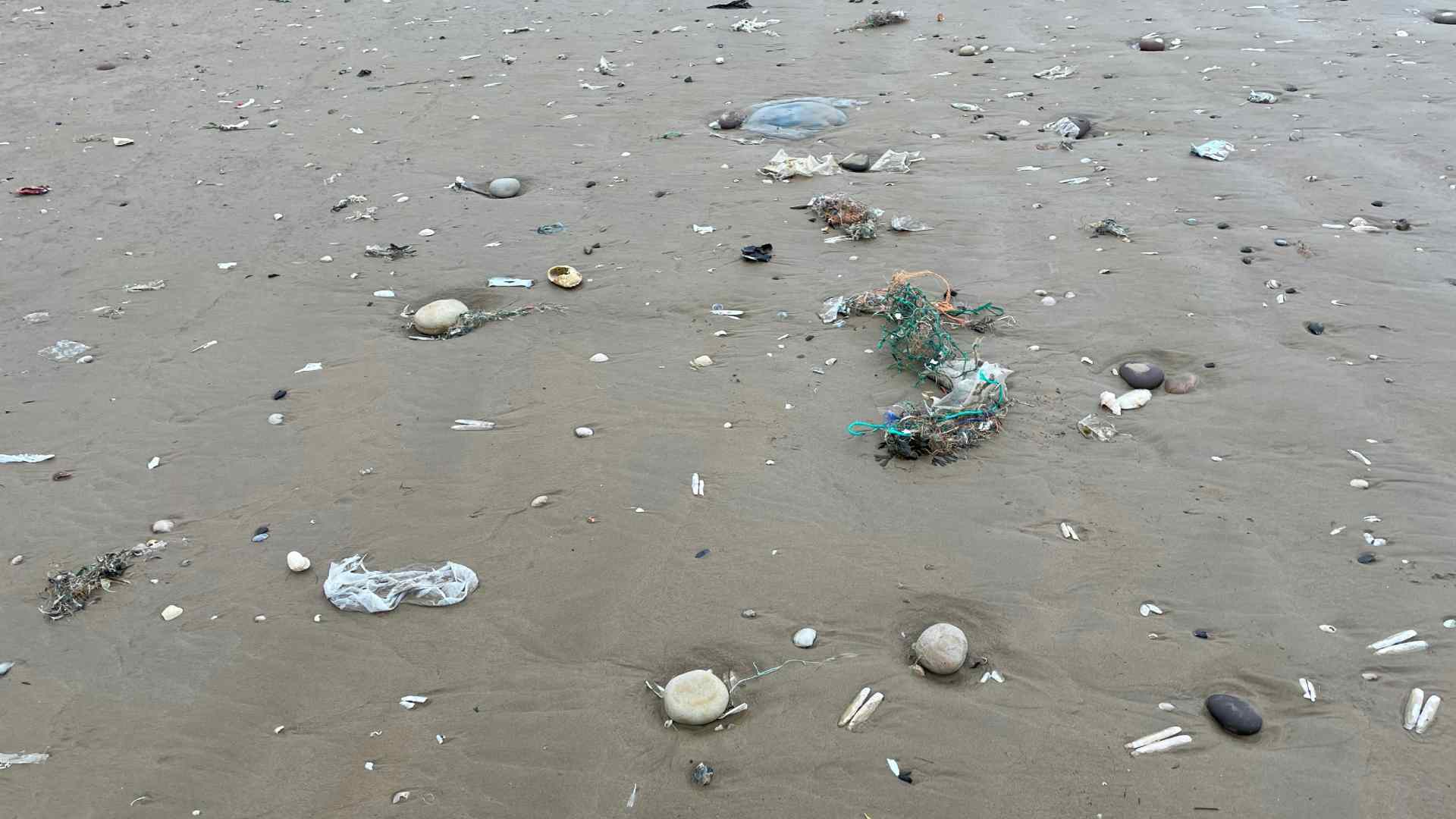 Plastics break down into microplastics that end up in the ocean.
They come from packaging, textiles, cosmetics, and industrial waste, and reach the sea through river channels, wastewater, and wind action.
Although their size is tiny, their impact is enormous. They affect the health of marine species that ingest them and, through the food chain, could also pose a risk to humans.
According to the study, currently between 11 and 21 million tons of microplastics float in the North Atlantic, with a growing trend. These wastes do not degrade easily and can remain in the water for decades.
An urgent call to reduce plastics and strengthen environmental policies
The study’s authors maintain that it is urgent to reduce the use of single-use plastics, improve recycling systems, and limit sources of marine pollution.
 Plastic pollution.
They also emphasize the importance of implementing stricter international regulations and promoting global agreements to curb this crisis.
Environmental organizations such as Greenpeace and WWF agree that these results demonstrate the need to move towards a plastic-free economy and promote sustainable alternatives at an industrial and domestic level.


