



In response to the growing abandonment of pets in the province of Mendoza and the saturation of shelters, the municipality of Luján de Cuyo approved the creation of the blog “Patitas a Casa”, a digital tool that seeks to organize, make visible, and facilitate the pet adoption process within the department.
Unlike informal posts on social media, the new portal will allow residents of Luján to upload health information, photographs, and descriptions of the animals available for adoption. The platform will operate under a neighborhood self-management scheme, where each citizen will be responsible for keeping the data of the offered animal updated.
An attempt at formalization amid an animal crisis
The author of the project, Adrián Devia, explained to the Mdzol portal that the goal is to transform an informal process into a more organized management, although he acknowledged that success will depend on the commitment of neighbors and the municipality to keep the tool active.
“The idea is to offer greater visibility and control, without losing the community spirit that has supported adoptions up to now,” Devia pointed out.
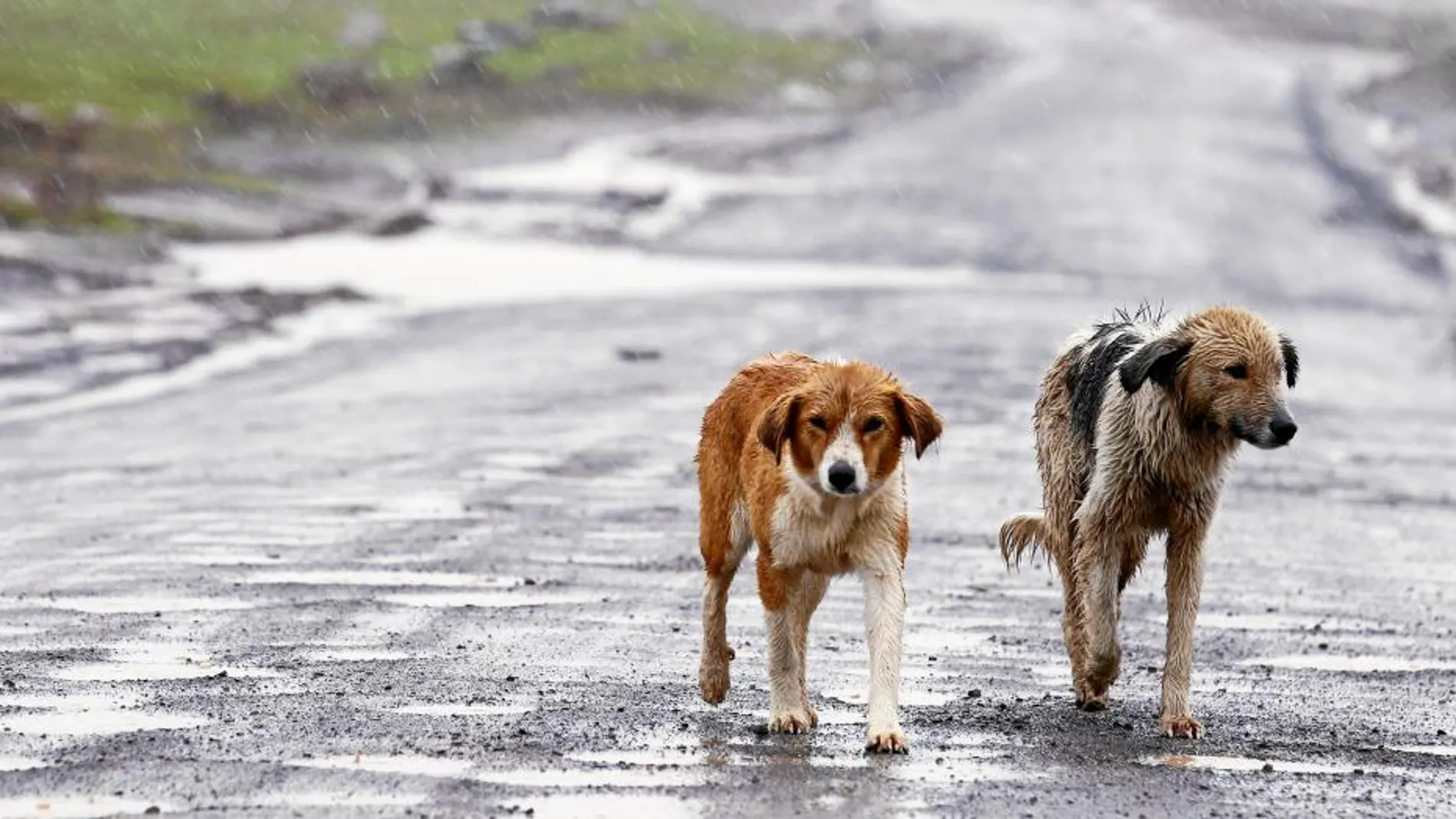
The initiative arises in a provincial context marked by:
- Overwhelmed shelters
- Insufficient sterilizations
- Disorganized adoptions
- Lack of massive responsible ownership campaigns
Limitations and replicable potential
The blog will be exclusive to residents of Luján de Cuyo, and the information upload will depend on the citizens themselves. Those who wish to offer animals must:
- Take a photo of the animal
- Complete an online form
- Update the status of the adoption process
This scheme has been seen by some as a privatization of the problem, as the responsibility still falls on the neighbors, but now within an institutional framework.
Additionally, the site will include educational content on responsible ownership, whose impact will depend on the maintenance and updates ensured by the municipality.
Technology as a tool, not a solution to pet adoption
The launch of “Patitas a Casa” adds to other local experiences, such as the platform in Godoy Cruz, active since 2022, which allows the upload of data and photos of animals for adoption through its official website.
These initiatives represent progress in transparency and organization of the process, but they do not solve on their own the lack of comprehensive public policies or the saturation of shelters in the province.
“Technology can help organize, but it does not replace the need for massive campaigns, effective controls, and sustained sterilization programs,” warn animal protection organizations.



