



The Brazilian Pantanal, the world’s largest freshwater wetland, was the setting for an unprecedented environmental catastrophe in 2020. The combination of extreme drought and fires devastated more than 11 million hectares, severely affecting the flora and wildlife of the area.
However, a recent study demonstrated the surprising resilience of the ecosystem and one of its key species: the jaguar.
The research, carried out by Oregon State University, revealed that jaguars not only returned after the destruction but thrived in the affected areas. The finding highlights the importance of protected wetlands as refuges against the impacts of climate change.
Records indicated that approximately half of a protected area of 36,700 hectares was devastated. The immediate loss of habitat and food led to a decrease in the presence of jaguars. However, less than a year later, cameras detected an unexpected repopulation.
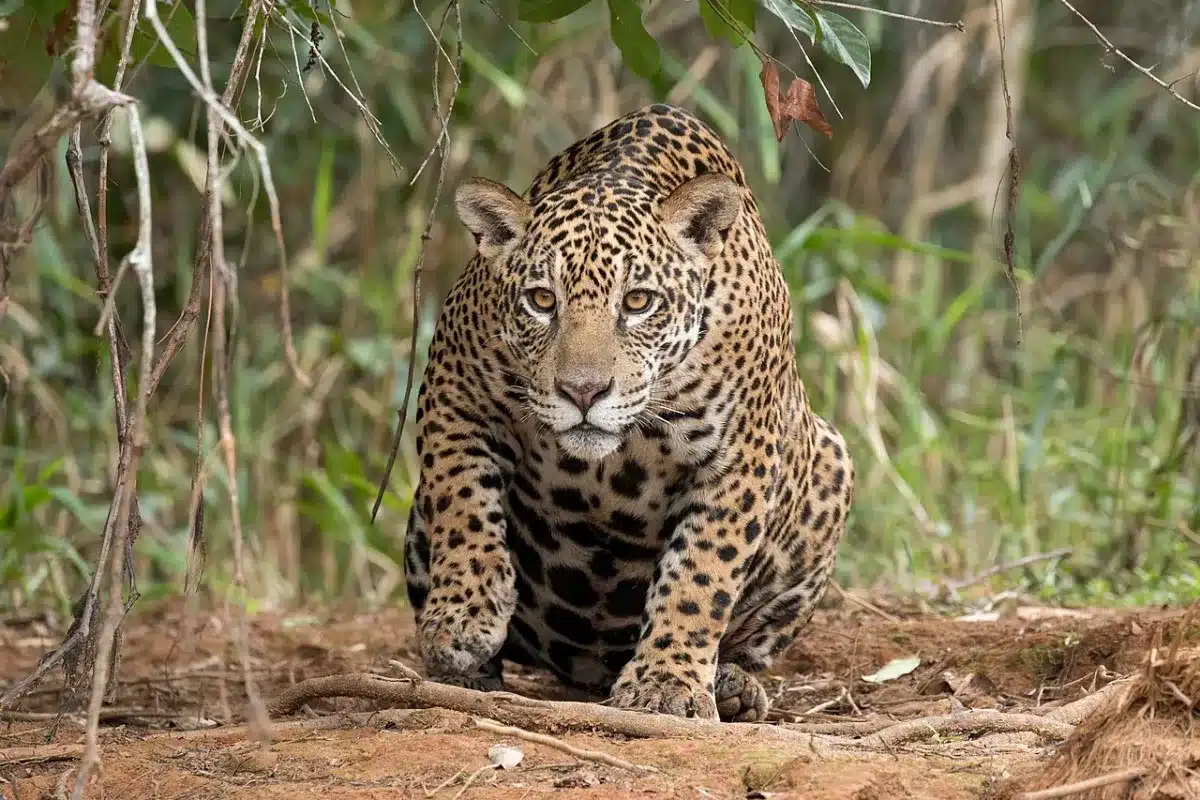 The jaguar returns to the Pantanal in Brazil.
The Pantanal as a jaguar refuge
The return of jaguars was accompanied by an encouraging phenomenon: new specimens arrived in the area, and an increase in the number of cubs was recorded. This behavior suggests that the environment, despite the damage, regained conditions suitable for wildlife reproduction and life.
A notable aspect was the observed social behavior. Jaguars, typically solitary animals, showed high tolerance among individuals and a territorial sharing. This could be explained by their diet, focused on aquatic prey such as fish and caimans, reducing competition for terrestrial food.
The study also reflected that, despite the return of other land mammals to the region, jaguars maintained their preference for aquatic prey. This habit strengthened the group and ecosystem stability.
The researchers highlighted the crucial role of wetlands as natural sanctuaries against extreme events. These spaces allow the recovery of endangered species and contribute to the resilience of biodiversity in a context of growing environmental crisis.
The jaguar and its key role in natural balance
The jaguar is much more than the largest feline in America. It is an umbrella species that regulates the balance of the ecosystems where it lives. Its role as a top predator controls populations of other animals, preventing resource overexploitation and maintaining environmental health.
By hunting both terrestrial and aquatic prey, the jaguar also balances food chains and contributes to biological diversity. Its presence indicates the good health of the ecosystem, as it requires vast territories and a healthy environment to survive.
The disappearance of the jaguar would have cascading effects, destabilizing the populations of its prey and causing ecological imbalances. Therefore, its conservation is essential for the environmental health of regions like the Pantanal.
 The jaguar
The Pantanal, a treasure at risk
The return of the jaguar to the Pantanal highlights nature’s resilience, but also reminds us of the fragility of these environments in the face of human activity and the climate crisis. Fires, prolonged droughts, and environmental degradation pose constant threats.
Preserving wetlands, strengthening protected areas, and ensuring effective conservation policies are essential measures to secure the future of the Pantanal and its emblematic species. The case of the jaguar demonstrates that active nature protection is an investment in biodiversity and the balance of our planet.



