



More than 1,300 cases of animal abuse were reported in Spain in 2023, according to SEPRONA. Although shelters and animal protection organizations play a key role in caring for animals victims of abuse, a deeper social transformation is required to address this issue.
In many cases, animals do not survive the consequences of abuse. But others manage to move forward thanks to the efforts of committed individuals. The story of Cammie, a rescued camel in Pakistan, is an example of resilience and recovery.
Cammie lost a leg after years of labor exploitation and an accident that left her mutilated. Her caretaker decided to abandon her. However, the Karachi Animal Shelter found her and started a process of physical and emotional recovery.
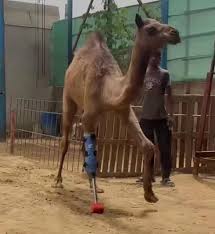
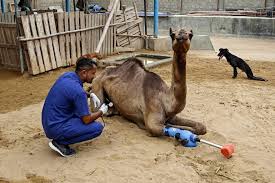
Thanks to the joint work of veterinarians and caretakers, Cammie received a specially designed prosthesis. Months later, she was able to walk again, becoming the first camel in Pakistan to achieve this with this type of assistance.
## The value of rehabilitation and containment
The camel was welcomed at a shelter where she received medical care, therapies, and emotional support. Recovery was not easy: her fear was profound, and she had completely lost trust in humans. But time, patience, and affection played their part.
Although her condition improved significantly, veterinarians clarify that Cammie will not be able to return to her natural environment. Her dependence on the prosthesis and the psychological damage suffered make total reintegration unfeasible.
Nevertheless, Cammie’s case is an inspiration. It represents the possibility of a second chance for animals that have suffered abuse. It also highlights the urgent need for more effective policies for the protection of animal rights.
The story of this camel traveled around the world and became a symbol of the fight against animal abuse. Not only because of her recovery, but also for everything she represents in terms of compassion, responsibility, and justice.
## Penalties for animal abuse in Spain
In Spain, animal abuse is punishable by law, and the punishment varies according to the severity of the act committed. The legislation establishes that causing suffering, injuries, or the death of an animal can result in fines, disqualification, or even prison sentences.
Since the new Animal Welfare Law came into force, sanctions have been strengthened. Mild abuse can be punished with up to 18 months in prison, while abuse resulting in death can lead to three years in prison.
Furthermore, the law includes complementary penalties such as the prohibition of owning animals and disqualification from activities related to their care. These measures aim to prevent recidivism and promote responsible ownership.
The goal is clear: to eradicate animal abuse through proportional penalties, accompanied by education programs and awareness campaigns. The effective application of these laws is key to generating lasting cultural change.
## A call to global consciousness
Cammie’s case shows that animal suffering knows no boundaries. Although they may be distant realities, they all share a common denominator: the urgent need to protect animals from all forms of violence.
Public awareness and the implementation of firm laws are essential, but so is the daily commitment of individuals. Respecting, caring for, and understanding animals is a collective responsibility.
Cammie now walks with assistance, but also with dignity. And she reminds us that every action counts, whether to save a life or to build a society more empathetic towards voiceless beings.



