



The planet experienced the third warmest July on record in 2025. This was reported by the Copernicus Climate Change Service, the European Union agency responsible for monitoring global warming.
This information comes after two consecutive years (2023 and 2024) that set historical temperature records.
Although the global average temperature was slightly lower than in the two previous Julys, scientists warned that extreme weather events, such as heatwaves and floods, persisted strongly.
Two years after the historically hottest July recorded, the recent streak of global temperature records would have ended, for now. But this does not mean that climate change has stopped,” stated Carlo Buontempo, Director of Copernicus. “We continue to witness the effects of an increasingly warmer world,” he added.
The third warmest July in history: heat records and extreme events
On July 25, 2025, Turkey recorded 50.5°C, its highest temperature on record, while battling several forest fires.
The European agency warned that new records and extreme climate events will be inevitable if greenhouse gas emissions are not reduced.
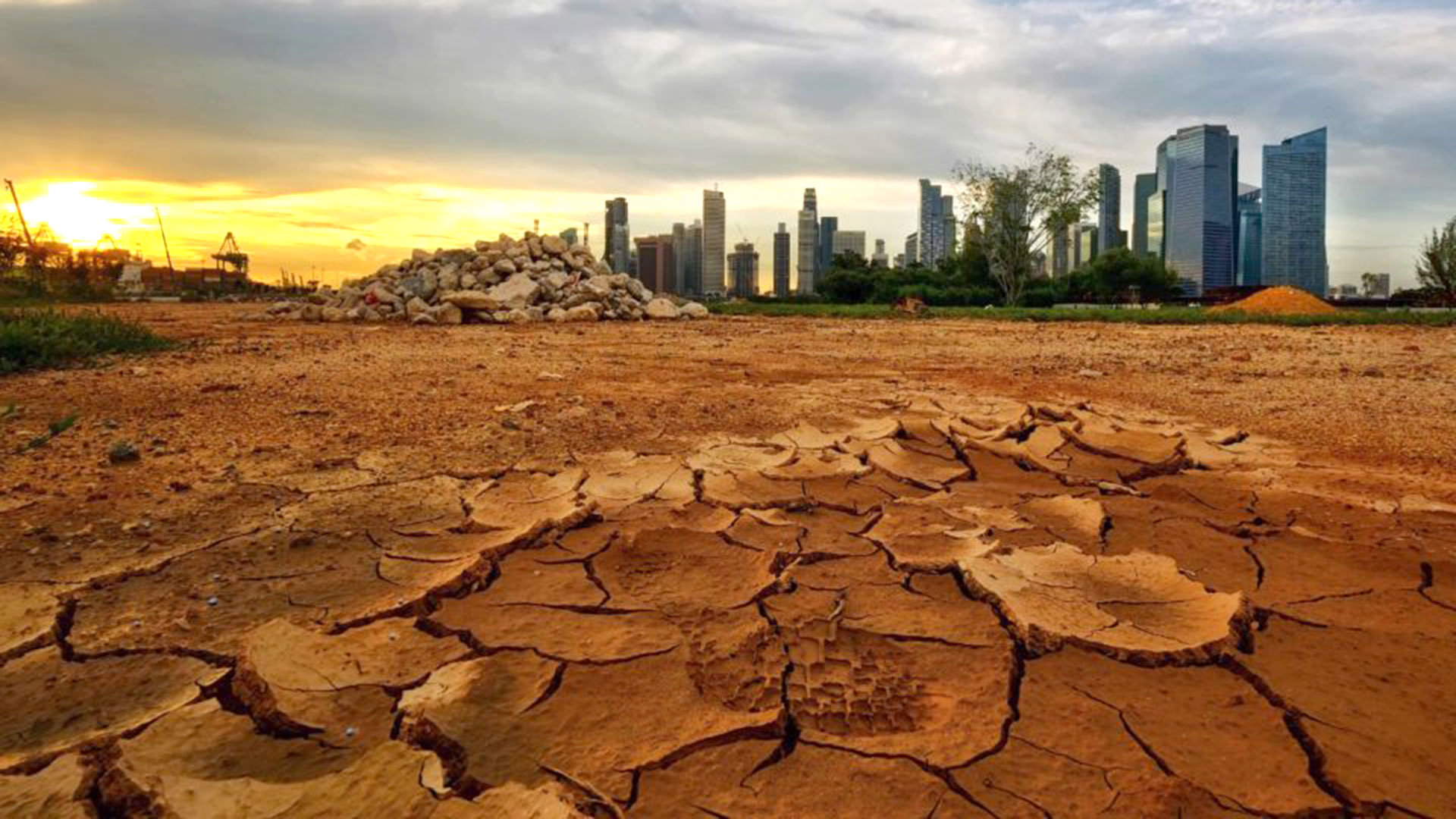 Planet’s temperature.
On average, the global surface temperature reached 16.68°C, that is, 0.45°C above the 1991-2020 average for the month. Additionally, it was 1.25°C above pre-industrial levels (1850-1900), before the massive burning of oil, gas, and coal began.
Global warming continues to break records
Even with a slightly cooler July, the period from August 2024 to July 2025 had an average temperature 1.53°C higher than the pre-industrial era, surpassing the 1.5°C limit set in the 2015 Paris Agreement to halt climate change.
The temperature increase is mainly due to greenhouse gas emissions from fossil fuels, such as gasoline, oil, and coal.
A concerning context
Julien Nicolas, Senior Scientist at Copernicus, explained that the slight temperature decrease in July should be analyzed in the context of two exceptionally warm years. “We are coming out of a streak of global temperature records that lasted almost two years. It was a very exceptional period,” he pointed out.
Experts agree that as the trend of global warming continues, the world will continue to face heatwaves, floods, forest fires, and other extreme events.
2024 is the first year to exceed 1.5°C above pre-industrial levels
Copernicus and the World Meteorological Organization (WMO) confirmed that 2024 was the warmest year on record globally and the first natural year in which the global average temperature exceeded 1.5°C above pre-industrial levels.
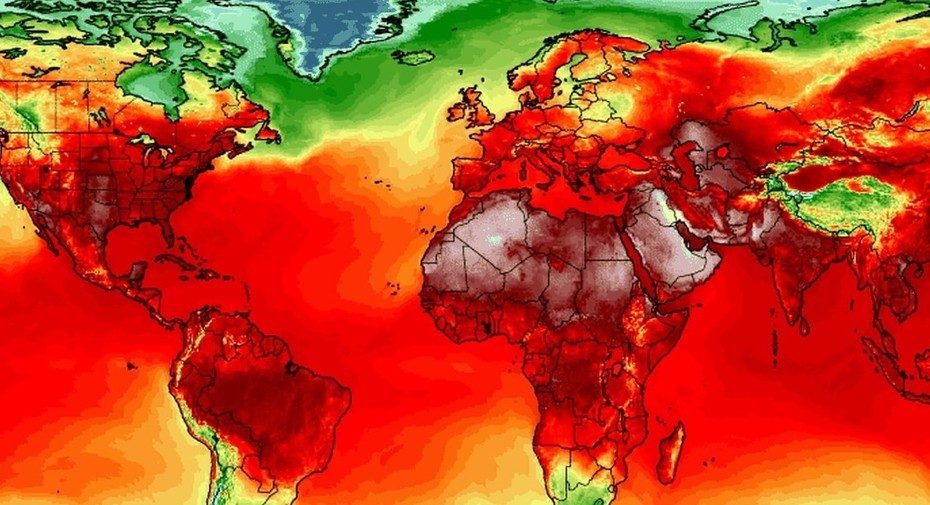 Global temperature risks.
This symbolic figure corresponds to the most ambitious goal of the 2015 Paris climate agreement, which aims to limit warming well below 2°C and to continue efforts to not exceed 1.5°C.
But this goal refers to long-term climate trends: to consider the threshold exceeded, the global temperature average must be above 1.5°C for 20 to 30 years.
According to UN data, the world is on track to miss this limit that would help avoid the most catastrophic effects of climate change such as droughts, heatwaves, or torrential rains.


