



What once seemed reserved for prototypes and models today becomes a disruptive technology: 3D printing applied to construction. With faster projects, less waste, and competitive costs, this innovation opens the door to a new model of housing access.
According to Market Data Forecast, the global 3D printer market will reach $179.8 billion by 2034, with an annual growth of 24%. Additionally, the WIPO registers thousands of patents each year related to additive manufacturing, which is transforming mass production towards mass customization.
Argentina and 3D Printing
In Argentina, small companies are already producing national technology with 3D printers. What was once seen as a tool for hobbyists is now becoming an industrial solution capable of manufacturing parts, reducing costs, and accelerating processes.
One of the most innovative sectors is 3D printed housing construction, which combines two trends: additive manufacturing and circular economy.
Houses with Recycled Waste
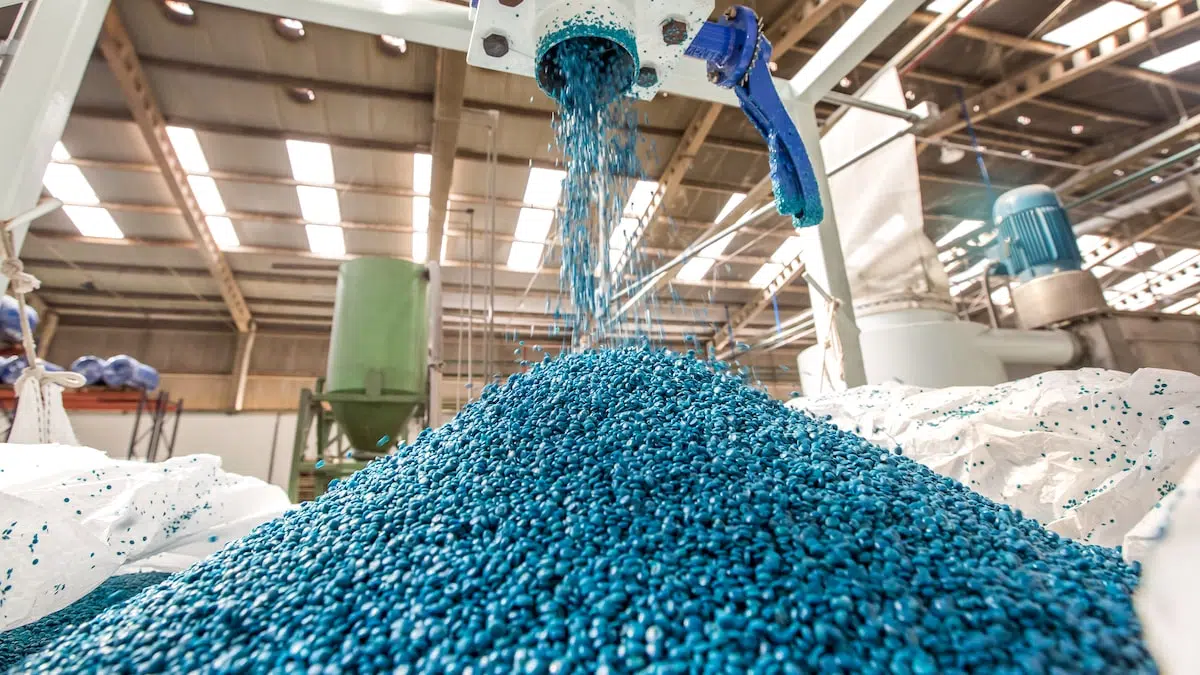
While many current experiences use concrete with additives, some projects are advancing in homes made with recycled plastic from waste generated by the 3D printers themselves.
The initiative seeks to:
- Reincorporate discarded materials into new production processes.
- Collaborate with urban recyclers and recycling companies.
- Reduce waste and minimize environmental impact.
- Create a new value chain around recycled plastics.
National Technology
According to Giannina Barbieri, founder of 3D Impresoras, the equipment developed in Argentina are large-format industrial printers entirely designed by local technicians.
Advantages:
- Eliminate import barriers.
- Reduce costs and implementation times.
- Ensure national technical support and spare parts.
- Market price: between $250,000 and $500,000.
Savings and Efficiency
3D printed homes offer:
- 40% savings compared to traditional construction.
- Time reduction: basic structures in less than 48 hours.
- Less material waste.
- Less need for intensive labor.
Additionally, many incorporate energy efficiency and bioclimatic design criteria, becoming solutions for housing deficits, tourism projects, and sustainable developments.
Labor and Social Impact
The expansion of this technology will transform the labor market, generating demand for:
- 3D Designers and digital modeling specialists.
- Interior decorators and custom furniture developers.
- Technicians in additive manufacturing.
- New profiles linked to digital construction.
This is an emerging sector with enormous growth potential, capable of generating economic opportunities and promoting more sustainable production models.
3D printing applied to construction, combined with the circular economy, promises to transform the way we conceive housing. Argentina, with its own developments and national technology, positions itself as a protagonist of a change that aims to reduce costs, accelerate processes, and build a more sustainable future.



