



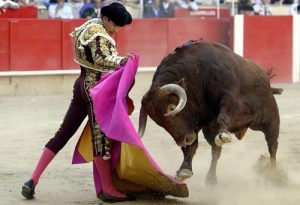
In Valladolid, Spain, the San Lorenzo bullfighting fair generated controversy due to the presence of minors in shows involving violence towards animals. Free tickets were offered for babies up to 3 years old and discounts for children between 4 and 15. Various organizations warn about the negative impact this may have on child development.
The situation goes against recommendations from international organizations that urge to protect minors from any form of violence, including that exerted against animals. Already in 2018, the United Nations Committee on the Rights of the Child asked Spain to prohibit the attendance of minors under 18 years old to bullfighting shows, a warning that was reiterated in 2023 with greater emphasis.
The Franz Weber Foundation pointed out that these initiatives not only perpetuate bullfighting but also expose children to scenes that can cause distress and affect their perception of respect and empathy towards living beings. They also question the permissiveness regarding alcohol consumption during these events.
Experts in child development warn that early exposure to violence can lead to lasting psychosocial effects, including behavioral disorders, increased aggression, and the normalization of violence as a form of entertainment. Despite these warnings, the public administrations involved continue to financially support the fair.
 The Spanish bullfighting fair sparked controversy due to promotions for underage tickets.
The controversial bullfighting fair
The controversy surrounding the bullfighting fair highlights the need to review public policies that allow minors to be exposed to violent shows. The defense of cultural heritage should not be incompatible with the protection of children and respect for animals.
The debate goes beyond bullfighting, encompassing any activity that normalizes violence. Education in values of respect and care is a fundamental pillar for building a more ethical society, where tradition can be reinterpreted without perpetuating animal suffering.
In a context where new generations show increasing sensitivity to environmental and animal welfare causes, it is time to offer them cultural and recreational alternatives aligned with those values. Change begins by questioning what teachings we impart and what legacy we want to leave behind.
Educating for change: benefits of sensitizing children
Education in animal welfare from an early age is a key tool to promote empathy, responsibility, and respect for life. Introducing children to the knowledge of the needs, behaviors, and rights of animals helps them understand that they are part of an interdependent ecosystem.
These learnings promote the development of socio-emotional skills, such as compassion and cooperation. Moreover, they can reduce aggressive behaviors and promote peaceful conflict resolution. Children educated in animal respect tend to adopt more sustainable and ethical attitudes towards the environment in general.
Promoting activities such as volunteering in shelters, responsible wildlife observation, or school workshops on animal care, not only strengthens the positive relationship with animals but also contributes to a healthier overall development. Investing in this education is to bet on a more respectful and aware society in the future.



