



During the Amazona Vallista Festival in San Juan, an activity was carried out that reopens the debate about the use of animals in popular celebrations, in this case the release of the rooster.
On Sunday, August 17th, within the framework of the Amazona Vallista Festival, a new edition of a traditional gathering that brings together the San Juan gaucho community in the Valle Fértil department, east of the province of San Juan, took place.
As usual, the event included various creole skills activities, among which the rodeo stood out as the most popular, along with other practices that, while picturesque, also generate controversy.
One of them was the release of the rooster, an activity with a long tradition in rural festivals throughout the country, which once again raises questions about the use of animals for recreational purposes.
What is the release of the rooster?
The activity took place on the same day as Children’s Day, so it was adapted to include the participation of children.
The dynamics involve placing a group of people on an imaginary starting line, while the person in charge of releasing the bird stands a few meters ahead. At the specified moment, the rooster is released, running through the skills field while being pursued by the participants, whose goal is to catch it in the shortest time possible.
Children’s participation and animal care
In this edition, two rounds were held. During the first one, children participated, chasing the animal three times.
In the second round, it was the girls who managed to capture the rooster on the first run. According to the organizers, two different birds were used and neither showed obvious signs of physical harm.
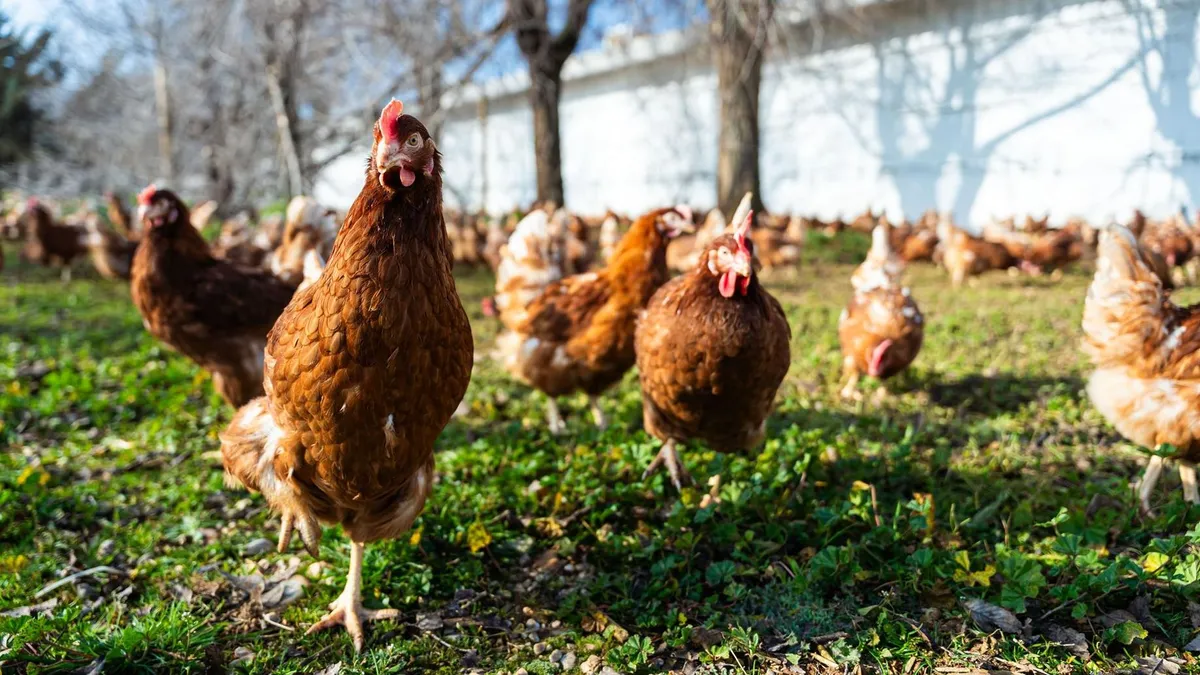 Controversy over the release of the rooster in San Juan[/caption>
Divided opinions: between tradition and criticism
As highlighted by the Tiempo de San Juan portal, during the release, public comments were diverse. Some suggested replacing the animal with a person dressed as a rooster, as it happens in other festivals. Others believed that the activity should be discontinued, as it involves a practice that uses animals for purely leisure purposes.
However, there were also those who defended the release of the rooster as part of traditional gaucho skills, along with others such as drum racing, riding small horses, rein test, or ostrich bolting.
Between cultural identity and respect for animals
The challenge of preserving traditions without losing sight of contemporary sensitivity.
The realization of these types of activities poses a growing challenge for rural festivals: how to preserve cultural identity without neglecting the new social consensuses on animal treatment.
In contexts like Valle Fértil, where gaucho practices are part of the local heritage, the debate becomes particularly relevant.



