



The National Institute of Industrial Technology (INTI), together with the Argentine Chamber of Renewable Energies (CADER), presented the first Photovoltaic Solar Census in Argentina.
This is a key tool that will be used to measure, organize, and boost the growth of solar energy in the country.
First Photovoltaic Solar Census: details of the survey
The survey began in June and aims to create an updated registry of the photovoltaic solar sector. With precise data on technical capacities, geographical distribution, job creation, and the evolution of the activity during the 2023–2024 period.
According to the organizers, the main objective is to provide strategic information for energy policy planning. Additionally, it aims to strengthen the value chain of photovoltaic solar energy throughout the Argentine territory.
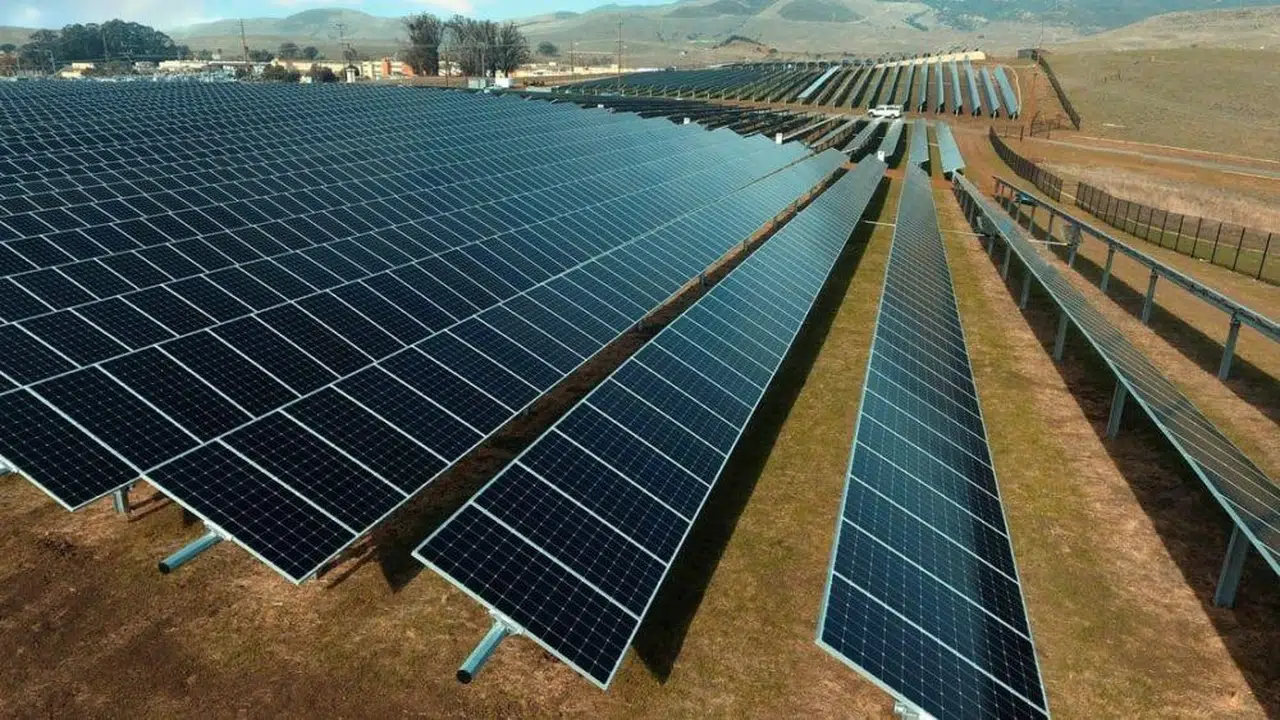 The first survey on solar energy in Argentina.
Participation in the census is done through an online form, free and voluntary, exclusively aimed at suppliers of products and services related to solar energy. Equipment manufacturers, installers, importers, trainers, and distributors can join, while it is not intended for end users of the technology.
INTI and CADER called on media, business chambers, and entities related to renewable energies in Argentina to promote the initiative, with the aim of achieving the highest possible participation of companies and stakeholders in the solar ecosystem.
Interested companies can access the form on the official site.
The main advantages of solar energy
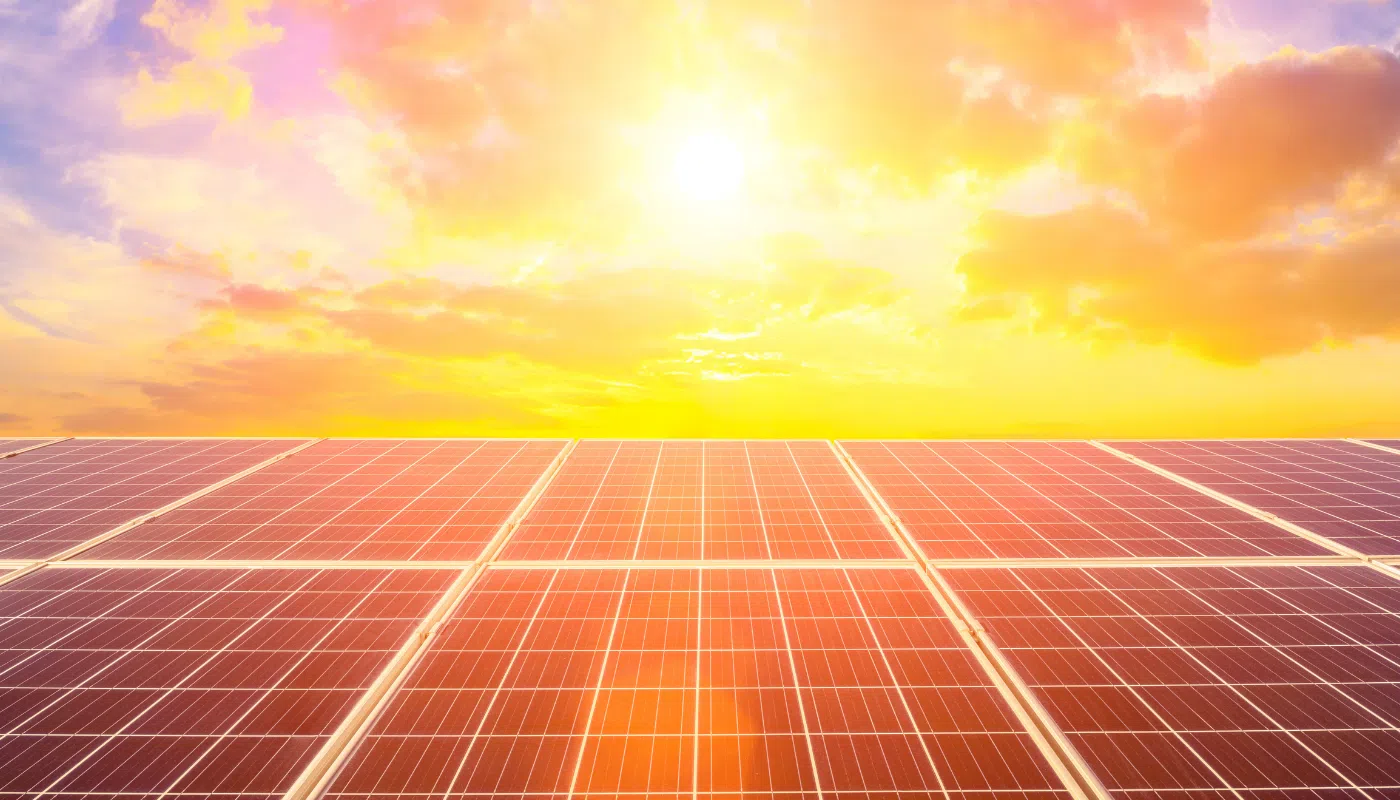 The advantages of solar photovoltaic energy.
It is worth noting that solar energy, as a renewable source, provides various advantages to the country and the energy system where it is adopted. Among them:
-
It is a renewable and inexhaustible source: the sun is a clean and available source of energy every day, ensuring a sustainable long-term supply.
-
Reduction of carbon footprint: it does not generate greenhouse gas emissions during its use, helping to combat climate change.
-
Savings in electricity costs: it allows reducing dependence on the electrical grid and lowering the energy bill.
-
Low maintenance: photovoltaic systems require minimal care, making them practical and durable.
-
Distributed generation: it can be installed in homes and businesses, contributing to energy decentralization.
-
Energy independence: it reduces dependence on imported fossil fuels and provides energy security.
-
Property value appreciation: a home or building with solar panels tends to increase its value in the market.
-
Green employment promotion: the solar industry creates jobs in installation, maintenance, manufacturing, and training.



