



A team of over 50 researchers has confirmed that the population of jaguars (Panthera onca) in Mexico has increased by 30% in the last 15 years, reaching 5,326 registered individuals in 2024.
The finding, considered a milestone for the conservation of large felines in Latin America, was possible thanks to the largest mammal census ever conducted in the country, which included 920 camera traps distributed in 15 states.
A species under pressure: persistent threats across the continent
The jaguar has lost almost half of its original range due to deforestation, hunting, and habitat fragmentation.
Despite the growth in Mexico, the jaguar faces severe pressures throughout the Americas. According to WWF and other organizations, its main threats include:
- Habitat loss and fragmentation due to agriculture and livestock
- Illegal hunting and trafficking of parts like teeth and skins
- Construction of roads that increase the risk of collisions
- Conflicts with farmers due to predation on livestock
Currently, the jaguar occupies only 54% of its historical distribution, with local extinctions in countries like El Salvador and Uruguay.
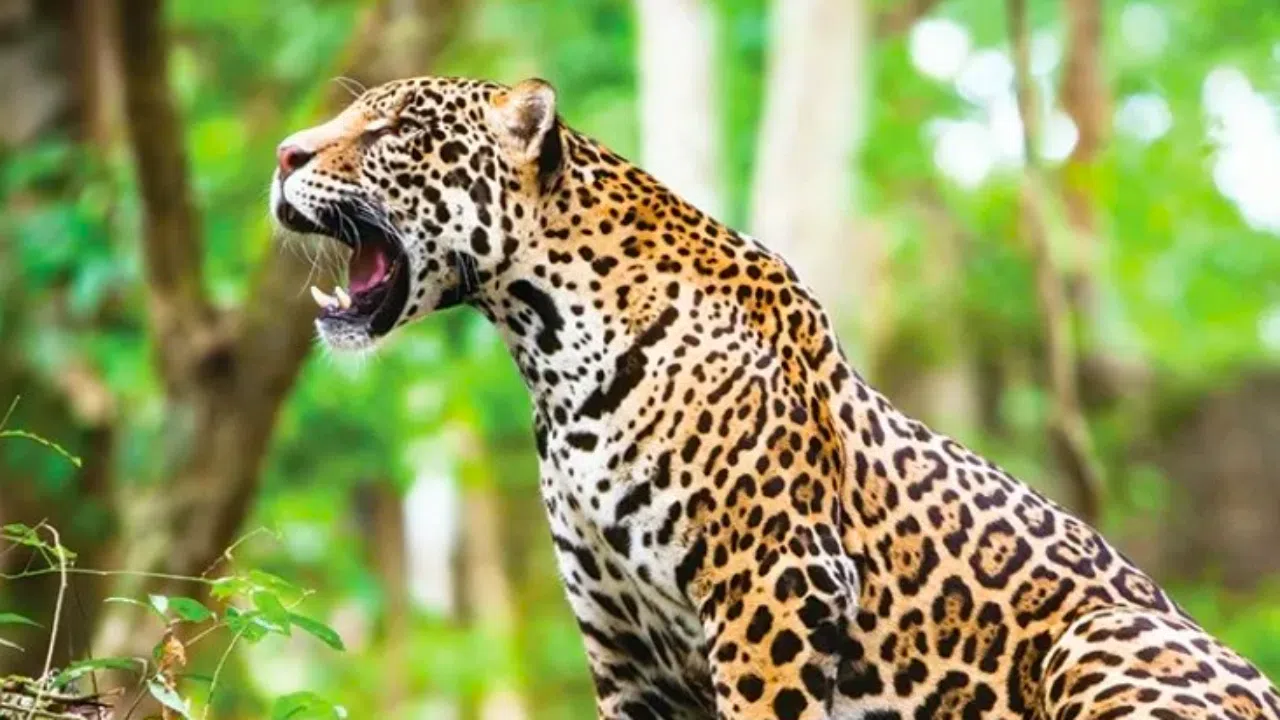 A milestone in jaguar conservation in Mexico
Public policies and environmental education: keys to Mexican success
Awareness campaigns, protected areas, and conflict reduction have favored the recovery.
Researchers from the National Alliance for the Conservation of the Jaguar (ANCJ) attribute the results to:
- Improvements in priority protected areas
- Educational and community awareness campaigns
- Reduction of conflicts between humans and jaguars
“Mexico and the world need good news. This achievement shows us that, with appropriate policies, we can reverse the trend,” celebrated Gerardo Ceballos, a researcher at ANCJ, in an interview with The Guardian.
An encouraging advancement, but still insufficient
The species remains at risk and would need three more decades to exit the extinction threshold.
Although the population growth is encouraging, experts warn that the jaguar is still classified as “near threatened” and that, even at the current pace, it would need at least 30 years to consolidate its recovery.
“We are winning a battle in a war that is still being lost,” reflected Ceballos. “But it is a battle that gives us hope.”
Continental distribution: from the Amazon to Mexican corridors
The jaguar inhabits 19 countries, but its most robust populations are concentrated in Brazil, Peru, and Mexico.
- Historical range: 21 countries
- Current range: 19 countries, with local extinctions
- Preferred habitat: tropical forests, savannas, and grasslands near water bodies
- Major concentration: Amazon basin, especially in Brazil
Restoring habitats and connecting territories: the pending challenge
Genetic fragmentation and loss of connectivity threaten long-term viability.
The expansion of agricultural and livestock frontiers, accelerated deforestation, and the lack of biological corridors have caused population isolation and reduction of genetic diversity, as seen in regions like Eastern Paraguay.
Cover photo: Ena Aguilar Peláez, GPJ Mexico



