



Villa Gesell took an unprecedented step in animal protection policies by implementing a registry of abusers. The initiative is part of the “Sintientes” program and aims to prevent individuals with a history of abuse from accessing animals again, thus strengthening the prevention of future cases of cruelty.
The registry will compile verified abuse situations in judicial or extrajudicial instances, always with confirmed resolutions. This database will serve as an alert tool for shelters, animal protection organizations, and adoption agencies, allowing them to check backgrounds before handing over animals to new caregivers.
Additionally, the program includes neighborhood operations in response to daily reports, addressing criminal cases, mediations, and legal advice. The initiative also promotes education and citizen awareness as pillars to reduce violence towards animals.
The Municipality emphasized the importance of filing reports with sufficient evidence, such as photos or videos, to activate protection protocols effectively. With this new tool, Villa Gesell consolidates a policy that combines justice, security, and social commitment to stop animal abuse.
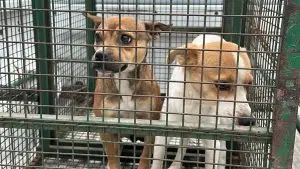 Villa Gesell will have a registry of abusers to reinforce animal protection.
A pending challenge in other cities
While Villa Gesell advances with innovative animal protection policies, other cities show a concerning lack of action in the face of severe cases of violence. In locations where incidents of extreme cruelty are recorded, the absence of official responses reflects a lack of priority on the public agenda.
This contrast highlights that institutional commitment is crucial to combat abuse. Measures like the registry not only protect animals but also strengthen social awareness and respect towards sentient beings.
The challenge ahead will be for more municipalities to adopt similar policies, creating animal protection networks nationwide. The consolidation of these mechanisms will not only provide a response to abuse victims but also send a strong message against impunity and violence towards animals.
 Against animal abuse
Penalties and sanctions for animal abuse in Argentina
The registry is supported by Law 14.346, in force in Argentina since 1954, which establishes sanctions for those who commit acts of cruelty against animals. This legislation provides for imprisonment from fifteen days to one year for those responsible for mistreatment, including beatings, deprivation of food or water, abandonment, and exploitation in forced activities.
The penalties are harsher in cases of extreme cruelty, where the law contemplates up to a year in prison and ancillary sanctions. Although the sentences are usually eligible for parole, they create criminal records that can prevent recurrence and serve as a basis for registries like the one now being implemented in Villa Gesell.
The Argentine Penal Code recognizes animal abuse as a crime, not just as an offense, allowing cases to progress in the judicial sphere. Additionally, municipal ordinances and provincial protocols complement national regulations, reinforcing control and prevention mechanisms.
In recent years, organizations and activists have been demanding updates to the sanctions since current penalties are mild compared to the severity of many cases. Nevertheless, the enforcement of the law has helped shed light on the issue and punish individuals who perpetrate violence against animals.



