



A recent sighting of an albino pudú in the forests of Chiloé Island, Chile, has raised alarms among conservationists.
The presence of this rare specimen outside its usual habitat highlights the serious threat facing this endemic species of the Andean forests of the neighboring country and Argentina, forced to explore new areas in search of food.
A giant in a miniature deer body, what is the albino pudú like
The pudú, considered one of the smallest deer in the world, does not exceed 40 centimeters in height or 10 kilograms in weight. Despite its size, its survival has become a challenge.

Normally solitary and extremely shy, it has been seen in pairs or small groups, an unusual behavior that suggests the pressure of losing its territory.
This herbivore feeds on leaves, bark, seeds, and grass. Its cautious nature leads it to feed at dawn and dusk, flattening against the ground if it feels threatened. It has dense fur, which is usually of a dark reddish or grayish color, in most specimens.
This helps it blend in, but deforestation and forest fires have destroyed this natural protection.
This time, the animal’s discovery was recorded by the wildlife photographer Martín Cárdenas, known on social media as @chiloefauna, who was accompanying the guide Simón Israel Pérez and two Spanish tourists.
As described by the photographer, they were walking peacefully among the park’s vegetation, which allowed them to marvel at its white fur. This is an extremely rare trait in this species. Due to this peculiar characteristic, the group decided to name the animal “Blanquita”, as Cárdenas shared in an Instagram post.
The multiple dangers to survival
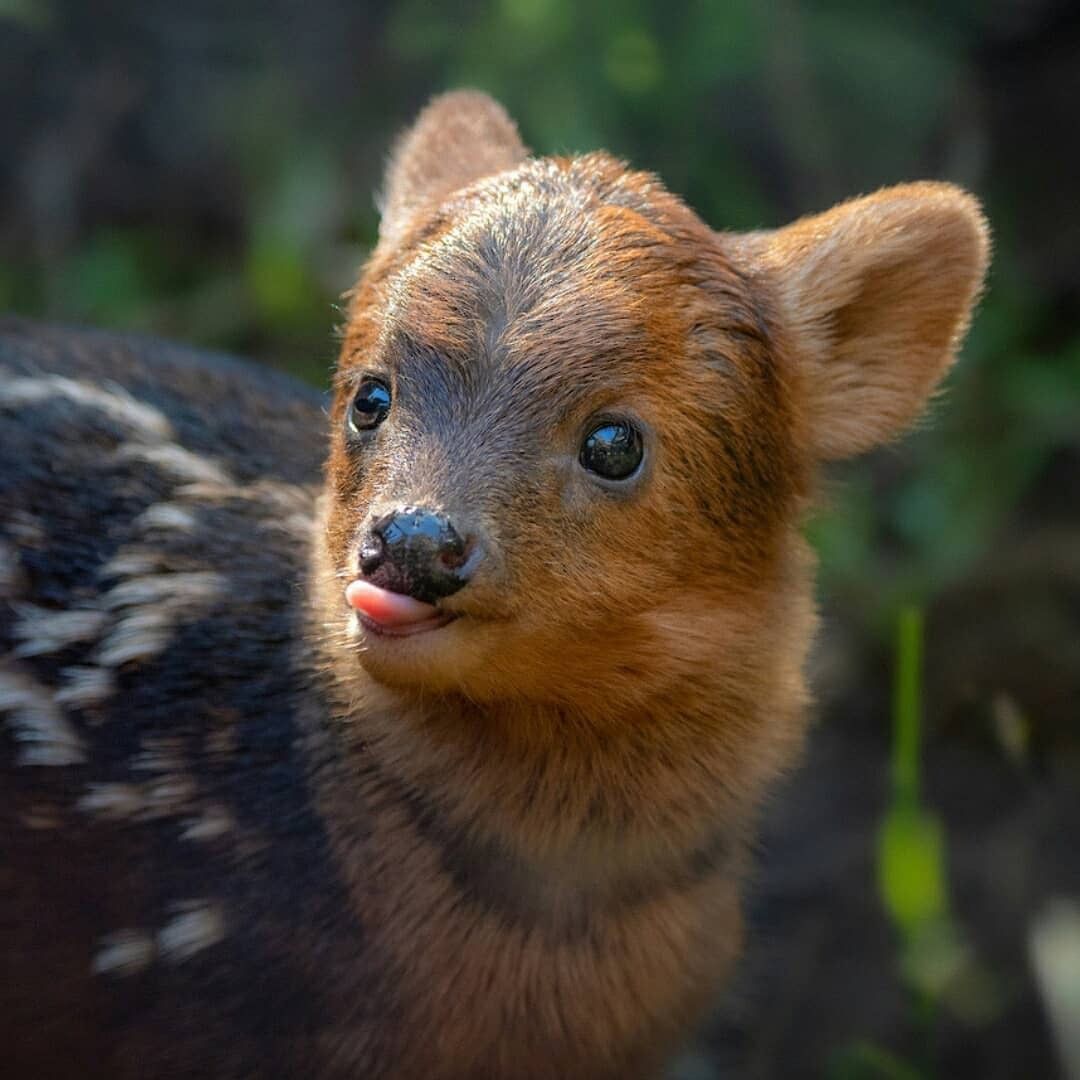 The pudú, the smallest deer.[/caption>
The population of pudús has decreased drastically. According to the environmental organization The Nature Conservancy (TNC), this animal inhabits environments with abundant vegetation, such as forests with undergrowth.
In addition to habitat destruction, pudús face dangers when venturing outside their refuge. Their main predators are wild dogs, and many are killed in road accidents, as there are no severe sanctions for those who harm or kill them.
According to a 2024 count, it is estimated that there were only about 42 pudú specimens left in Chile, an alarming figure that underscores the urgency of protecting this endangered species.
Regarding this, Javier Cabello, better known as the “Doctor Pudú” and founder of the organization Chiloé Silvestre, dedicated to wildlife rehabilitation and environmental education, explained why they were seen outside their habitat.
“We see them more often because the pudú no longer has a place to live,” he warned. “The destruction of the forest and the fragmentation of the territory through roads, highways, and human access is forcing them to move more,” he commented in an interview with Reuters.



