



Controlling weeds remains one of the main challenges in agriculture and forestry. Traditionally, chemical herbicides and mechanical clearing have dominated management strategies, but both present problems: contamination, loss of biodiversity, weed resistance, and soil health deterioration. In this scenario, an innovative option is emerging: electrical weed control.
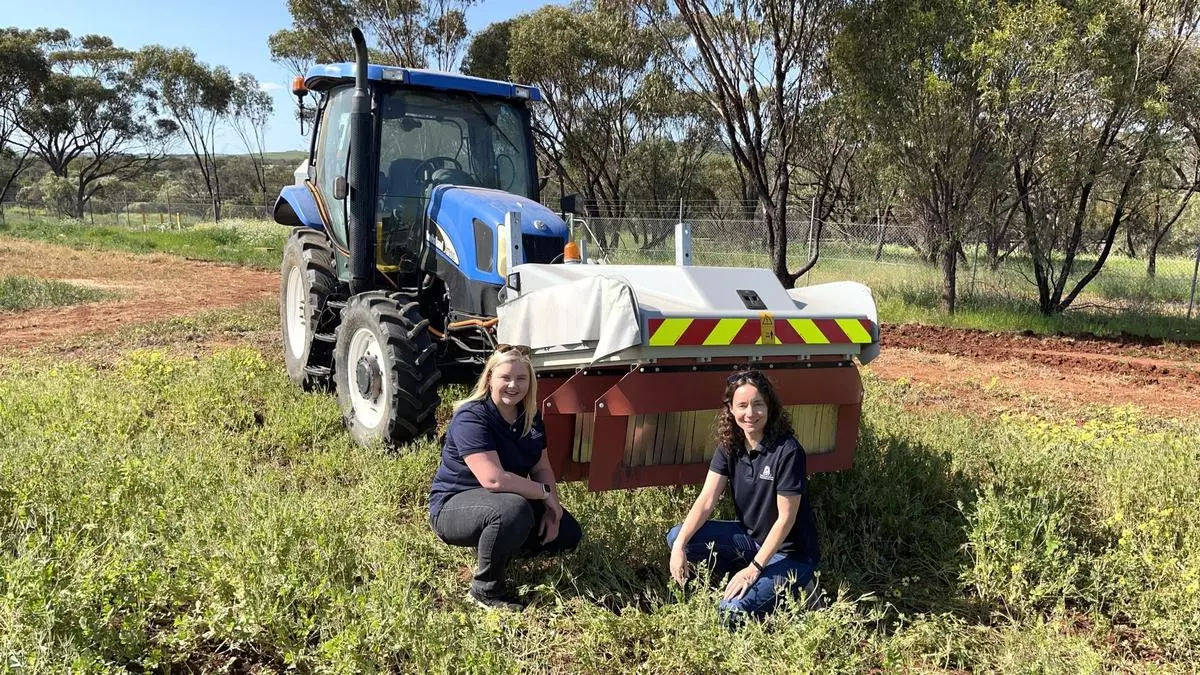
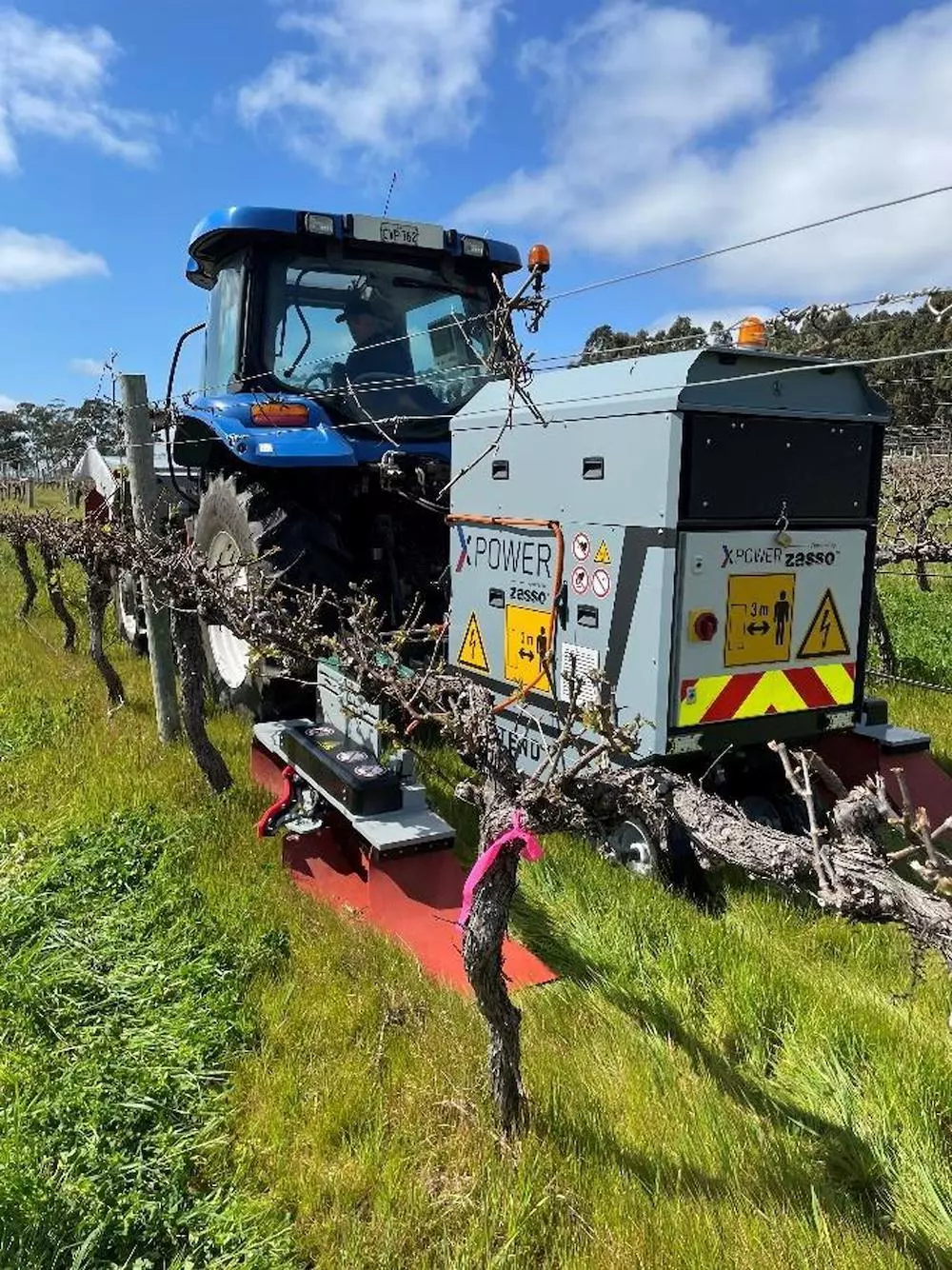
A recent scientific study tested this technology in Mediterranean vineyards and demonstrated that it achieves similar effectiveness to conventional herbicides, with results much superior to those obtained with mechanical methods. The key lies in equipment that applies electrical discharges to the roots of unwanted plants, destroying their tissues without harming the crop or the soil.
Trials in Australia showed weed biomass reductions between 84% and 87%, figures comparable to the 88% achieved with herbicides and clearly better than the 65% from clearing. Additionally, the grapevines’ development index showed no alterations, confirming that the technique does not affect the main crops.
Electrical control offers significant ecological advantages: it leaves no chemical residues in food or the environment, prevents weed resistance to herbicides, and reduces the risk of contamination in soils and watercourses. However, it still faces limitations such as slow application speed and high energy consumption, restricting its adoption in large-scale operations.
Alternatives that improve quality
Beyond the environmental benefits, these alternatives align with an increasingly strong social demand: consuming chemical residue-free food and producing under environmentally friendly agricultural models. At the same time, they reduce indirect costs associated with soil degradation and the loss of pollinators, negative effects linked to prolonged herbicide use.
The challenge lies in scalability. The application speed of electrical control is lower than that of herbicides, and the initial costs of specialized equipment are high. Nevertheless, automation and agricultural robotics are advancing, which could facilitate the adoption of these technologies in the near future.
Furthermore, research on combining techniques offers a promising horizon. Integrated weed management, combining electrical control, vegetative covers, crop rotation, and bioherbicides, is emerging as the most sustainable and effective strategy to maintain productivity without compromising environmental health.
Electrical control is not a standalone solution, but a key piece in the path towards greener agriculture. By integrating with other ecological methods, it allows progress towards a model that respects biodiversity, reduces chemical dependence, and ensures food security in a context of climate change and increasing pressure on natural resources.
Other ecological methods to replace herbicides
Interest in sustainable alternatives is not limited to electrical control. There are multiple practices that allow reducing or even eliminating the use of herbicides in agriculture. One of them is solarization, which involves covering the soil with transparent plastics for weeks to raise the temperature and eliminate weed seeds without chemicals.
Another strategy is the use of vegetative covers, where species are planted to compete with weeds, reduce erosion, and provide organic matter to the soil. These coverings are especially useful in vineyards and olive groves, improving biodiversity and reducing the need for tillage.
Crop rotation also acts as a preventive method. By alternating species with different growth cycles and densities, the development of dominant weeds is interrupted, favoring a more balanced use of soil nutrients. Complemented with bioherbicides based on natural fungi and bacteria, this practice constitutes a promising approach for integrated management.



